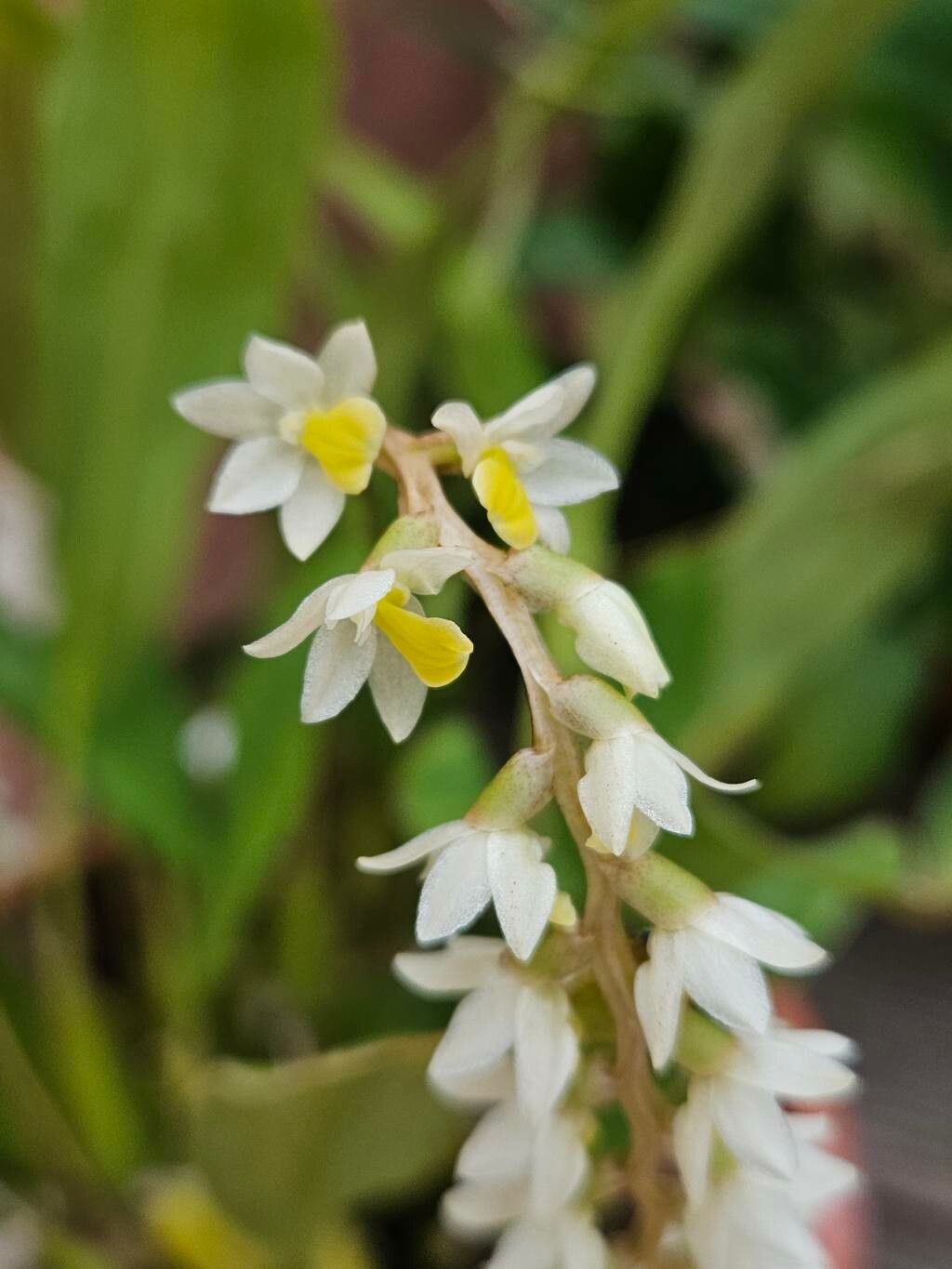
Ah, Coelogyne cobbiana! What a joy it is to have this beauty gracing the greenhouse. The delicate, often fragrant blooms are a true reward, appearing like little treasures. And the best part? You can easily multiply that joy! Propagating orchids, especially Coelogyne species, can feel a bit daunting at first, but I promise, with cobbiana, it’s remarkably accessible. This isn’t a finicky diva; it’s a plant that’s happy to share its beauty.
The Best Time to Start
The happiest time to divide your Coelogyne cobbiana is generally in the spring or early summer, right after it has finished blooming. You’ll notice new root growth starting around this time, which is exactly what we want for successful transplantation. Starting when the plant is actively growing gives those new divisions the best chance to establish themselves quickly.
Supplies You’ll Need
To get your cobbiana propagation underway, gather these handy items:
- Sharp, clean pruning shears or a sterile knife: Essential for making clean cuts.
- New potting mix: A well-draining orchid mix is perfect. I often use a blend of bark, perlite, and a little bit of sphagnum moss.
- Clean pots: Small ones, just big enough for your new divisions.
- Optional: Rooting hormone: While not always strictly necessary for cobbiana, it can give an extra boost to newly divided plants.
- A spray bottle: For gentle misting.
- Labels and a marker: So you don’t forget what’s what!
Propagation Methods
For Coelogyne cobbiana, division is by far the most straightforward and successful method. Don’t be afraid to get in there!
- Gently remove the orchid from its pot. If it’s tightly root-bound, you might need to carefully loosen the roots with your fingers or even a chopstick.
- Inspect the root system. You’re looking for sections of the plant where there are at least two to three healthy pseudobulbs connected by rhizome. These pseudobulbs are the storage units for the plant, so having a couple ensures a stronger start.
- Using your clean shears or knife, carefully divide the plant. Make a clean cut through the rhizome between the divisions. Try to disturb the roots as little as possible.
- If you’re using rooting hormone, lightly dust the cut surface.
- Pot each division into its own small pot. Fill the pot with your orchid mix, making sure the pseudobulbs are mostly exposed or just barely covered.
- Water gently. You want the potting mix to be moist, but not waterlogged.
The “Secret Sauce” (Pro Tips)
After years of trial and error, I’ve picked up a few tricks:
- Don’t over-pot: New divisions get stressed if they’re in massive pots. A snug fit is much better. They need to feel secure.
- Air circulation is key: After dividing, place your new pots in a spot with good airflow. This helps prevent rot, which is the enemy of any new orchid start. Avoid drafts, but a gentle breeze is your friend.
- Watch those pseudobulbs: When you divide, make sure each new piece has at least one or two healthy, plump pseudobulbs. These are crucial for storing energy and pushing out new growth. Shriveled or squishy ones are a sign of trouble.
Aftercare & Troubleshooting
Once your cobbiana divisions are potted, keep them in bright, indirect light and maintain consistent moisture. Don’t let them dry out completely, but definitely don’t let them sit in soggy soil. Misting the leaves gently can be beneficial, especially if the air is dry.
You’ll know your division is happy when you start to see new root growth emerging from the base of the pseudobulbs. This usually takes a few weeks to a couple of months.
The most common issue you might encounter is rot. This usually happens if the plant is kept too wet, especially in cool conditions or without good air movement. If you see a pseudobulb turning black and mushy, unfortunately, that division is likely lost. The best way to prevent this is by following those “secret sauce” tips about drainage and air circulation!
A Encouraging Closing
Propagating Coelogyne cobbiana is a rewarding journey. Be patient with your new divisions; they’re working hard to establish themselves. Enjoy the process of nurturing these little beauties, and soon you’ll have even more of those lovely blooms to admire! Happy growing!
Resource: