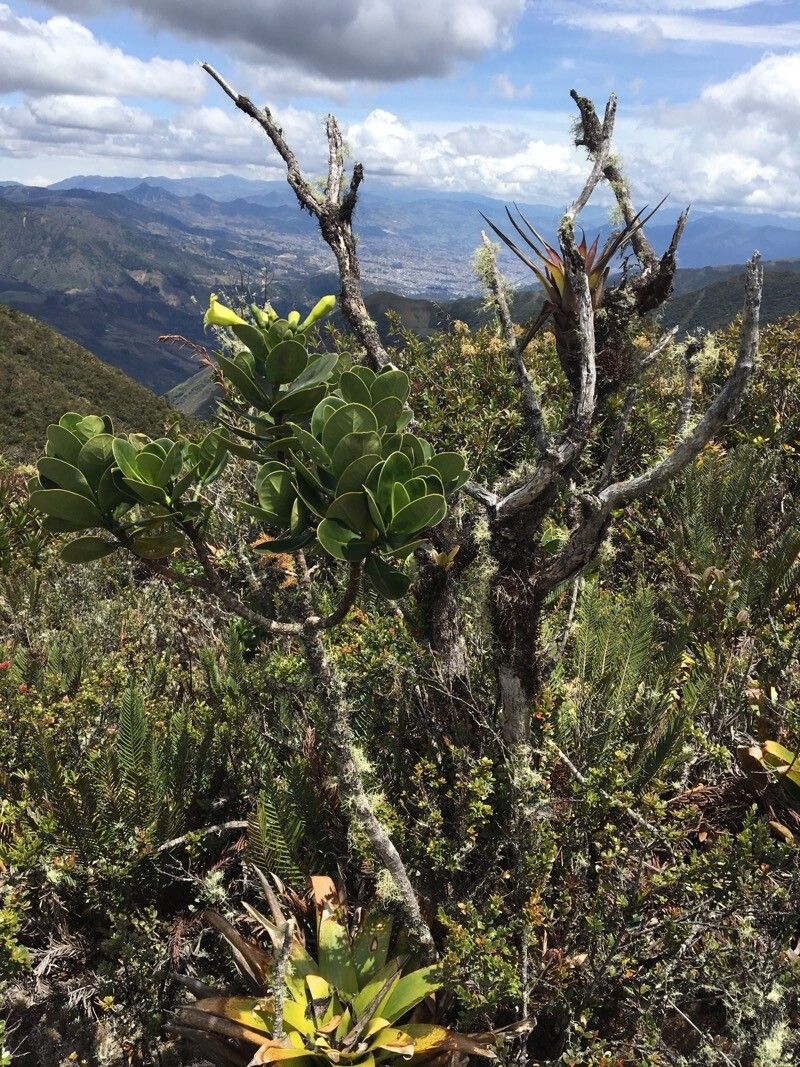
Hello fellow plant lovers! If you’re like me, you’ve likely admired the striking foliage and architectural form of Clusia mangle, often called the ‘Autograph Tree’ for those neat, heart-shaped leaves that seem practically stamped. It’s a fantastic plant, bringing a touch of the tropics into our homes or gardens. And the best part? It’s surprisingly rewarding to propagate, giving you more of these beauties to share (or keep all to yourself, no judgment here!). For beginners, I’d say Clusia mangle is a moderately easy plant to work with. You’ll have a great success rate if you pay attention to a few key details.
The Best Time to Start
My top tip for getting the most bang for your propagation buck? Spring and early summer are your golden ticket. This is when the plant is actively growing and has the energy to put forth those glorious new roots. Look for healthy, vigorous stems that aren’t too old and woody, but also not brand new, flimsy growth. Somewhere in between is usually just right.
Supplies You’ll Need
Gathering your materials beforehand makes the whole process much smoother. Here’s what I usually have on hand:
- Sharp Pruning Shears or a Knife: Cleanliness is key to preventing infection. Sterilize them with rubbing alcohol between cuts.
- Rooting Hormone (Optional but Recommended): A dip in rooting hormone powder or liquid can give your cuttings a significant advantage. Look for one formulated for woody or semi-woody stems.
- Potting Mix: I find a well-draining mix works best. A blend of equal parts potting soil, perlite, and coarse sand is my go-to. You can also use a succulent or cactus mix.
- Small Pots or Seedling Trays: Small, about 4-inch pots are perfect for individual cuttings. Make sure they have drainage holes!
- Plastic Bags or a Clear Dome: To create a mini-greenhouse effect.
- Water: For watering and potentially for water propagation.
- Labels and a Permanent Marker: So you don’t forget what you’ve planted!
Propagation Methods
Clusia mangle is quite amenable to a couple of different propagation techniques.
Stem Cuttings
This is my most frequently used and reliable method for Clusia mangle.
- Take the Cuttings: Select a healthy stem and using your sterilized shears, make a clean cut about 4-6 inches down from the tip. Try to get a cutting with at least two sets of leaves. You can take multiple cuttings this way.
- Prepare the Cuttings: Gently remove the leaves from the bottom inch or so of the stem. This prevents them from rotting when buried.
- Apply Rooting Hormone (if using): Dip the cut end of the stem into your rooting hormone, tapping off any excess.
- Plant the Cuttings: Fill your small pots with your prepared potting mix. Make a small hole in the center of the soil with your finger or a pencil. Firmly insert the cutting into the hole, ensuring the treated end is well-covered. Gently firm the soil around the stem.
- Water and Cover: Water the soil thoroughly until it’s evenly moist but not waterlogged. To maintain humidity, cover the pot with a clear plastic bag (making sure the leaves don’t touch the plastic) or place it under a clear dome.
Water Propagation (for the impatient!)
While stem cuttings in soil are my preference for long-term success, water propagation can be a fun way to watch roots develop.
- Take and Prepare Cuttings: Follow steps 1 and 2 from the stem cutting method.
- Place in Water: Find a clean jar or glass and fill it with fresh water. Place your cuttings in the water, ensuring the stripped portion of the stem is submerged, but do not let any leaves sit in the water.
- Location and Water Changes: Place the container in a bright spot with indirect light. Change the water every few days to keep it fresh and prevent bacterial growth.
The “Secret Sauce” (Pro Tips)
Here are a few little tricks I’ve picked up over the years that can really boost your success:
- The ‘Bleed’ Factor: Clusia mangle can ooze a milky sap when cut, which can sometimes inhibit rooting. If you’re taking a cutting, you can help this sap to stop bleeding by rinsing the cut end under cool water for a moment or two before applying rooting hormone. It’s not strictly necessary, but I find it helpful.
- Bottom Heat is Your Friend: If you have access to a heat mat designed for seedlings, place your pots on it. This gentle warmth from below mimics the soil temperature during the growing season and encourages root development much faster. I always use one when I’m serious about getting roots quickly.
- Don’t Crowd Them: When planting multiple cuttings in one pot, give them a little breathing room. Overcrowding can lead to competition for resources and increased humidity, which can sometimes invite fungal issues.
Aftercare & Troubleshooting
Once your cuttings have been planted, patience is your best friend. Keep the soil consistently moist but not soggy. If you’re using the plastic bag method, check for condensation – if there’s a lot, open the bag for a few hours to allow some air circulation.
You’ll know your cutting is rooting when you see new growth emerging from the stem or at the leaf nodes. This usually takes anywhere from 4 to 8 weeks, sometimes longer. If you’re brave, you can also gently tug on the cutting – a slight resistance indicates roots have formed. You can then gradually acclimate them to less humid conditions by opening the bag more each day, or remove the dome. Repot them into slightly larger containers once they’ve developed a good root system.
The most common sign of failure is rotting stems. This usually happens when the soil is too wet, there isn’t enough light, or the cuttings are too old. If you see mushy, blackened stems, it’s sadly time to start again. Don’t be discouraged; it happens to us all!
A Little Encouragement to Grow On
Propagating plants is such a joy. It’s a continuous cycle of giving and growing, and there’s nothing quite like watching a tiny cutting transform into a thriving plant. Be patient with your Clusia mangle, give it the right conditions, and enjoy the process. Soon enough, you’ll have a whole legion of these gorgeous plants! Happy gardening!
Resource: