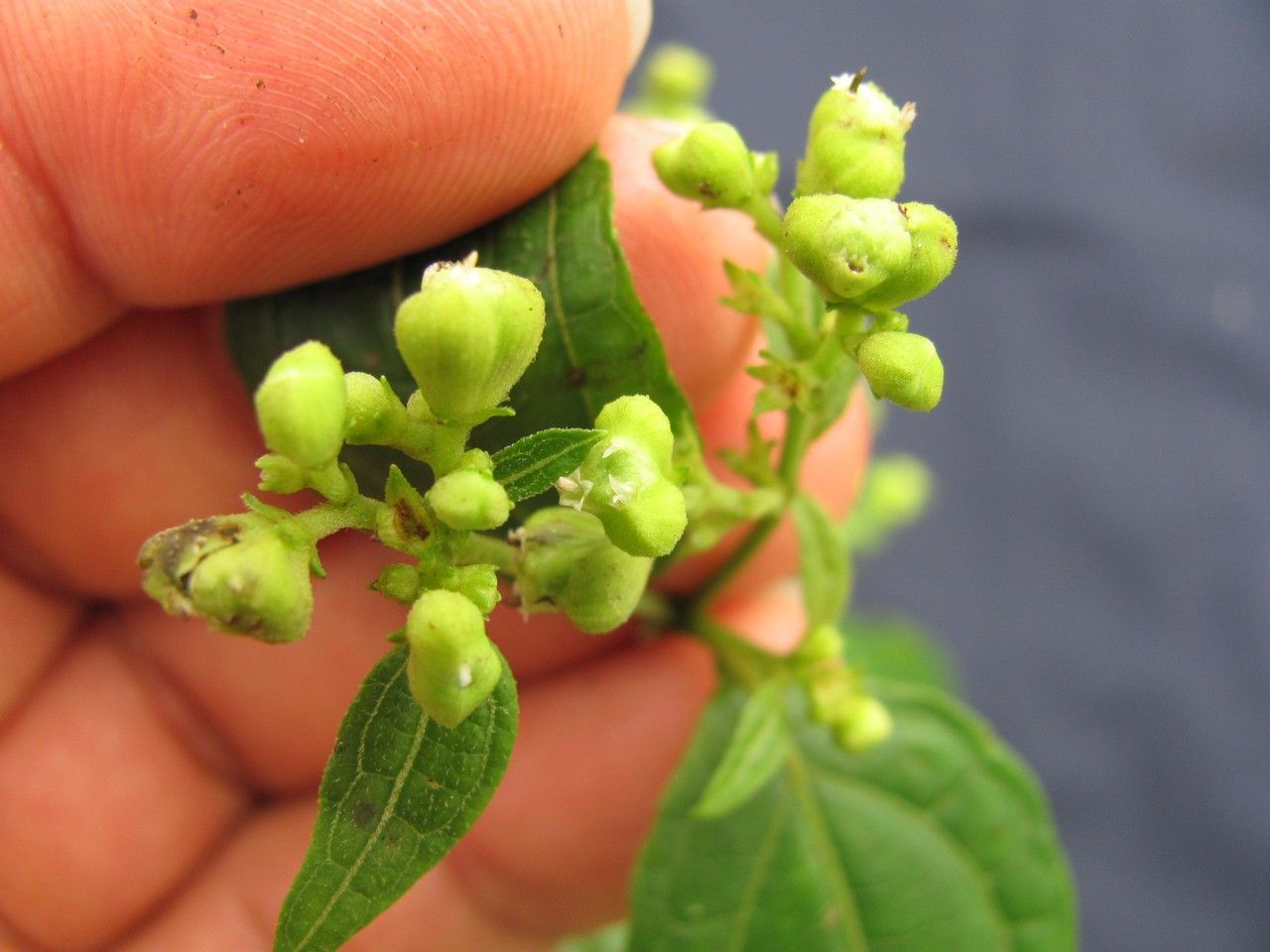
Hey there, fellow plant enthusiasts! I’m so excited to talk to you about Clibadium leiocarpum today, a real gem that deserves a spot in more gardens. I’ve always been drawn to its lovely foliage and that subtle, sweet fragrance it sometimes offers. Bringing a new plant to life from a piece of another is such a thrill, and honestly, Clibadium leiocarpum can be a wonderfully rewarding one to propagate. For beginners, I’d say it’s moderately easy, leaning towards beginner-friendly if you follow a few key steps.
The Best Time to Start
When you’re looking to get your propagation game going for Clibadium leiocarpum, I find spring is your absolute best bet. Think of it as your plant’s natural awakening period. The days are getting longer, the light is starting to strengthen, and its growth is picking up steam. This means the cuttings will have plenty of energy to put into forming those all-important roots. You can definitely try later in the summer, but spring just gives you that extra edge for successful rooting.
Supplies You’ll Need
Before we get our hands dirty (which is the best part, right?), let’s gather our tools:
- Sharp Pruning Shears or a Clean Knife: You want a clean cut to minimize damage and disease.
- Rooting Hormone (Optional, but Recommended): This can give your cuttings a helpful boost. Look for one formulated for stem cuttings.
- Well-Draining Potting Mix: A good blend is key. I like to use a mix of peat moss or coco coir, perlite, and a bit of compost. It should feel light and airy.
- Small Pots or Seedling Trays: Clean pots are crucial. Anything from tiny nursery pots to repurposed yogurt containers with drainage holes will do.
- Plastic Bag or Clear Dome: This will create a mini-greenhouse effect to keep humidity high.
- Watering Can or Spray Bottle: For gentle hydration.
- Labels: So you don’t forget what you’ve planted!
Propagation Methods
Let’s dive into how we can multiply these beauties. Stem cuttings are my go-to for Clibadium leiocarpum.
Stem Cuttings:
- Select a Healthy Parent Plant: Look for vibrant, non-flowering stems. You want pieces that are actively growing but not too soft or too woody.
- Take Your Cuttings: Using your sharp shears or knife, cut a section of stem that is about 4-6 inches long. Make sure the cut is just below a leaf node – that’s the little bump where a leaf attaches to the stem; it’s where roots are most likely to form. Remove the lower leaves, leaving just a few at the top. This prevents them from rotting when buried.
- Apply Rooting Hormone (If Using): Dip the cut end of the stem into your rooting hormone powder, tapping off any excess. Some people like to moisten the end first so the powder sticks better.
- Plant Your Cuttings: Fill your small pots with your well-draining potting mix, making sure it’s lightly moist. Use a pencil or your finger to make a hole in the center of the soil. Gently insert the cut end of your Clibadium leiocarpum cutting into the hole, ensuring at least one leaf node is buried under the soil.
- Firm the Soil: Gently press the soil around the cutting to secure it.
- Water Gently: Give your cuttings a light watering. You want the soil to be moist but not soggy.
- Create Humidity: Place the potted cuttings into a plastic bag, tenting it over them, or cover them with a clear dome. Make sure the plastic or dome isn’t touching the leaves directly.
The “Secret Sauce”
Here are a few little tricks I’ve picked up over the years that can really make a difference:
- Bottom Heat is Your Friend: If you have a heat mat, placing your potted cuttings on it can significantly speed up root development. It mimics the warmth of spring soil and gives those roots a cozy place to start forming. Don’t go too hot, just a gentle warmth.
- Don’t Disturb Too Soon: Patience is key! It’s tempting to pull up a cutting to see if it has roots, but resist! Constant disturbance can shock the young plant. I usually wait at least 4-6 weeks before even thinking about gently tugging on one to test for resistance.
- Sterilize, Sterilize, Sterilize: Before you even start, clean your tools and pots thoroughly. This is your first line of defense against fungal diseases, which can be the bane of any propagator’s existence. A quick wash with soap and water, or a diluted bleach solution, can save you a lot of heartache.
Aftercare & Troubleshooting
Once you start seeing new growth emerging from your cuttings, that’s a great sign! It usually means roots have formed. Continue to keep the soil consistently moist but not waterlogged. When the new growth is robust and you can gently feel resistance when tugging, it’s time to gradually acclimate your new plant to normal room humidity by opening the plastic bag or removing the dome for increasingly longer periods. Eventually, you’ll be able to remove it entirely.
Now, what if things go wrong? The most common issue is rot. If your stem turns mushy and black, that’s rot. This usually happens due to too much moisture and poor air circulation, or a dirty cutting. If you see this, sadly, that cutting is likely lost. Another sign of failure is if the leaves start to yellow and fall off without any new growth appearing after a few weeks. This can happen if the cutting is too dry, not getting enough light, or simply didn’t have the energy to root.
A Encouraging Closing
Propagating Clibadium leiocarpum is a wonderful way to expand your collection or share these lovely plants with friends. Don’t get discouraged if your first few attempts aren’t perfect. Every gardener learns as they grow – literally! Keep experimenting, observe your plants, and most importantly, enjoy the journey of bringing new life from your own hands. Happy propagating!
Resource:
https://identify.plantnet.org/k-world-flora/species/Clibadium%20leiocarpum%20Steetz/data