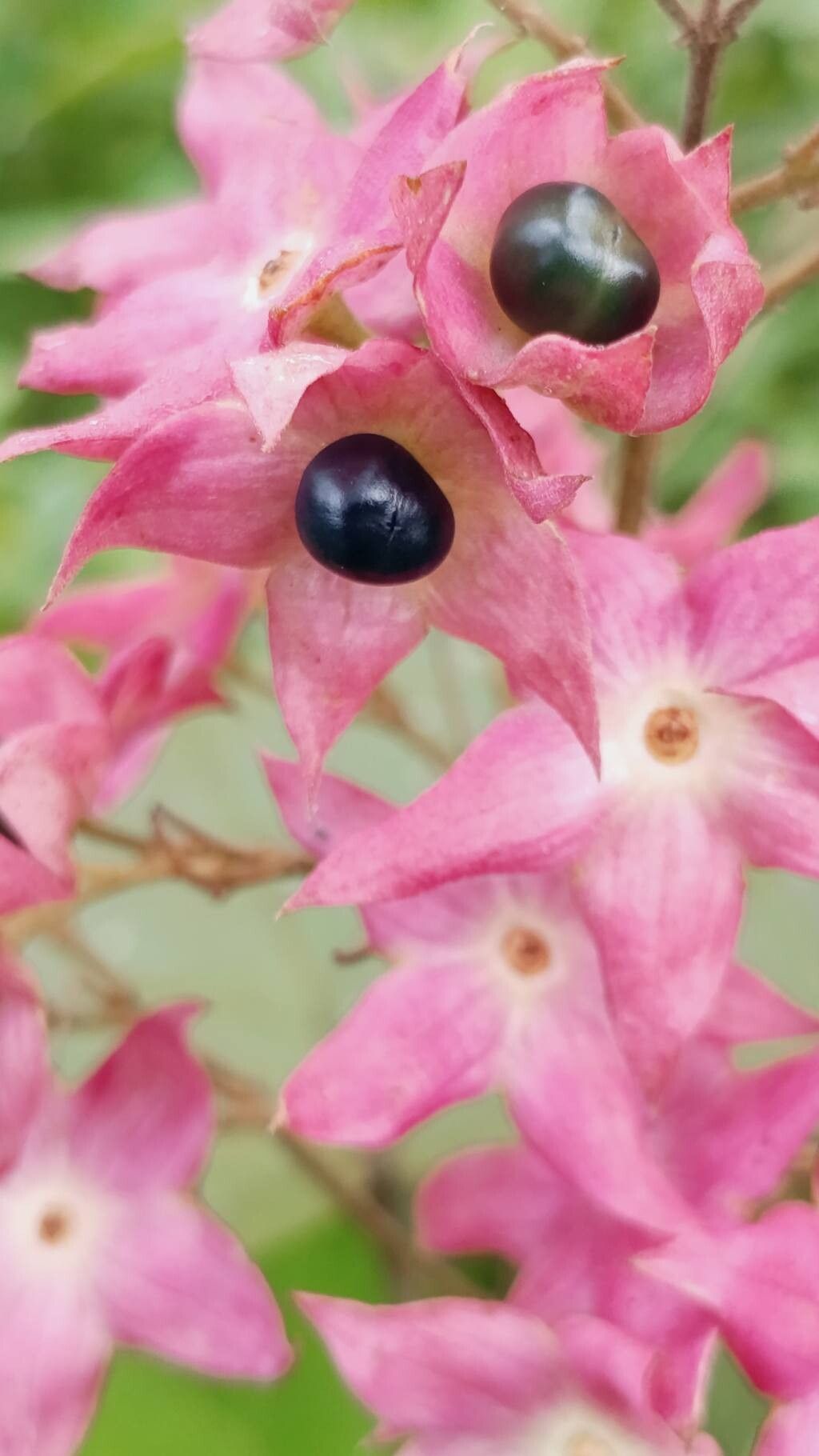
Hello, fellow garden enthusiasts! I’m so thrilled to share a little about one of my favorite plants to talk about, Clerodendrum infortunatum, and how to bring more of its beauty into your own garden. If you’ve ever admired its gorgeous blooms and lush foliage, you’re in for a treat. Propagating this gem is incredibly rewarding, and I’m happy to say, it’s a pretty accessible plant for beginners to get started with. You’ll be amazed at how satisfying it is to nurture a new plant from a tiny snippet!
The Best Time to Start
For the highest success rate with Clerodendrum infortunatum, you want to take cuttings during its active growing season. This generally means late spring through early summer, after the plant has produced fresh, new growth. You’re looking for stems that are still a bit flexible but have started to firm up a bit – not the soft, floppy new tips, but not the woody old growth either. Think of it as mid-stage growth.
Supplies You’ll Need
To set yourself up for success, gather these essentials:
- Sharp, clean pruning shears or a knife: A clean cut reduces the risk of disease.
- Rooting hormone (optional but recommended): This gives your cuttings a helpful boost.
- A well-draining potting mix: I like a blend of equal parts peat moss (or coco coir), perlite, and seed-starting mix.
- Small pots or propagation trays: Clean containers are key!
- Clear plastic bags or a propagator: This helps maintain humidity.
- Watering can or spray bottle: For gentle watering.
- Labels and a marker: Don’t forget to label your babies!
Propagation Methods
I’ve found two methods work particularly well for Clerodendrum infortunatum:
1. Stem Cuttings
This is my go-to method, and it’s quite straightforward.
- Select your stem: Choose a healthy, semi-hardwood stem that’s about 4-6 inches long.
- Make the cut: Using your clean shears, make a cut just below a leaf node (where a leaf attaches to the stem). This is where roots are most likely to form.
- Prepare the cutting: Remove the lower leaves, leaving only the top 2-3 leaves. If the remaining leaves are very large, I often snip them in half to reduce water loss.
- Apply rooting hormone: Dip the cut end of the stem into rooting hormone, tapping off any excess.
- Plant your cutting: Fill your pot with the prepared potting mix. Make a small hole in the center with your finger or a pencil. Gently insert the cut end of the stem into the hole, about an inch deep. Firm the soil around the stem.
- Water and cover: Water gently to settle the soil. Then, cover the pot with a clear plastic bag (like a mini greenhouse) or place it in a propagator. Make sure the leaves don’t touch the plastic.
2. Water Propagation
This method is a bit more visual and can be very satisfying to watch.
- Take your stem: Similar to the cutting method, select a 4-6 inch stem and make a clean cut below a leaf node.
- Prepare the cutting: Remove all but the top couple of leaves.
- Place in water: Find a clear glass or jar and fill it with fresh, clean water. Place the cuttings in the water, ensuring that the leaf nodes are submerged but the leaves themselves are above the waterline. This is crucial to prevent rot.
- Find a bright spot: Place the jar in a spot with bright, indirect light.
- Change the water regularly: Change the water every few days to keep it fresh and prevent bacterial growth. You’ll start seeing roots emerge from the nodes within a few weeks.
- Plant once rooted: Once the roots are about an inch long, you can transplant them into pots with your well-draining potting mix.
The “Secret Sauce” (Pro Tips)
Here are a couple of things I’ve learned over the years that can really make a difference:
- The Humidity Chamber is Your Best Friend: Clerodendrum infortunatum loves a humid environment when rooting. Keeping those cuttings consistently moist but not waterlogged inside their plastic tent or propagator is often the key to success. A gentle misting with water inside the bag every couple of days can really help if the air is dry.
- Bottom Heat is a Game Changer: If you have access to it, placing your pots on a seedling heat mat can significantly speed up root development. Many plants, including Clerodendrum infortunatum, respond wonderfully to that gentle warmth from below, encouraging those roots to form more vigorously.
Aftercare & Troubleshooting
Once you see signs of root development (you might gently tug on the cutting, and it will feel resistant, or you’ll see new leaf growth), it’s time for a little pampering. Slowly increase the light levels and gradually remove the plastic covering over a few days to acclimate the new plant to normal humidity. Keep the soil consistently moist but not soggy.
Now, what if things go wrong? The most common issue is rot. If your cuttings turn black and mushy, it’s usually a sign of too much moisture and not enough airflow. Discard any rotted cuttings immediately to prevent it from spreading. If your cuttings just sit there and nothing happens, don’t despair! They might just be taking their sweet time. Ensure they are in good light and have consistent moisture. Sometimes, patience is all that’s needed.
A Encouraging Closing
Propagating plants is a journey, and like any good garden adventure, it teaches us so much about patience and observation. Don’t be discouraged if your first attempt isn’t perfect. Keep trying, enjoy the process of nurturing these new lives, and soon you’ll have a beautiful collection of Clerodendrum infortunatum to enjoy. Happy gardening!
Resource:
https://identify.plantnet.org/k-world-flora/species/Clerodendrum%20infortunatum%20L./data