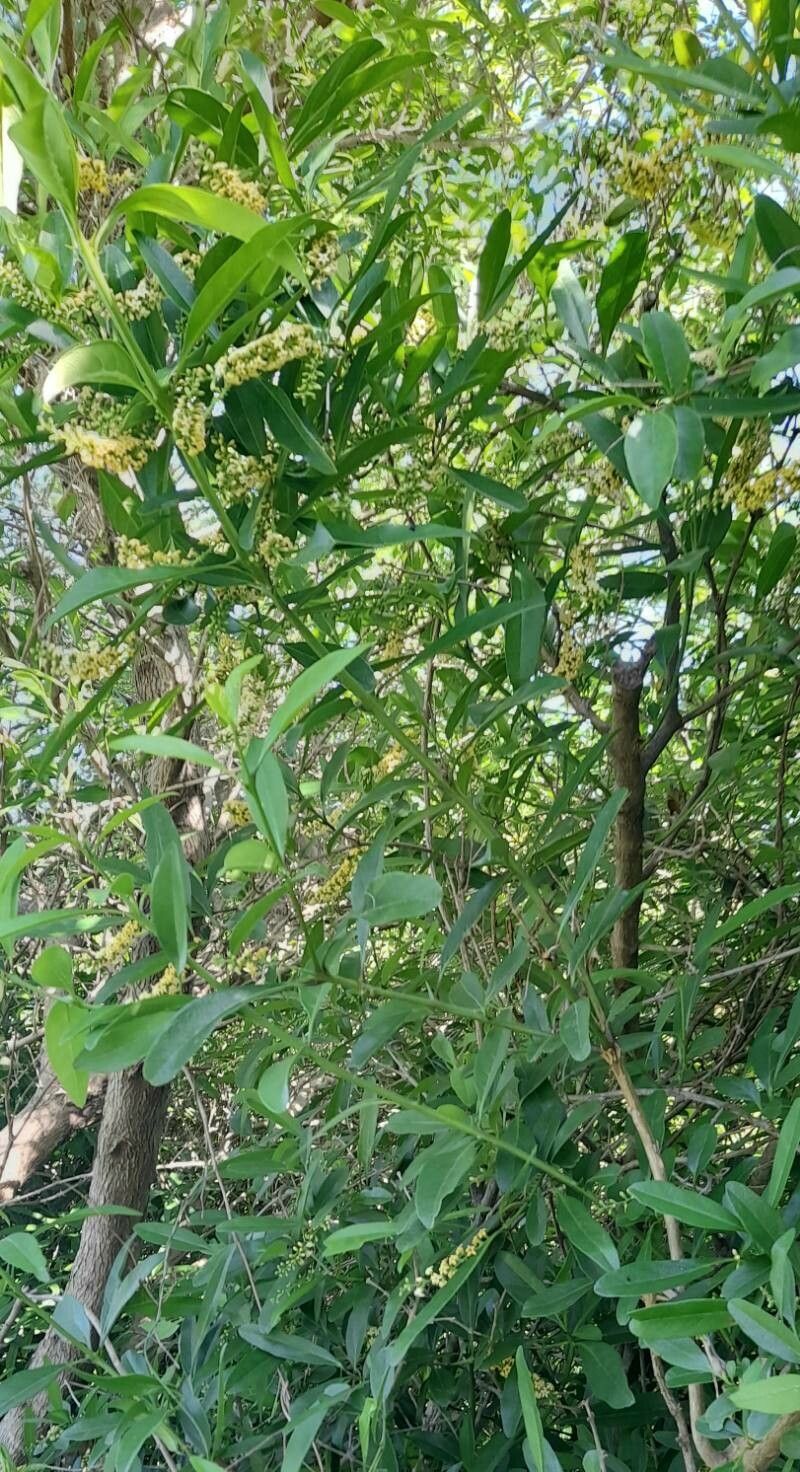
Hey there, fellow garden enthusiasts! Today, we’re diving into the lovely world of Citharexylum montevidense, also known as the fiddlewood or, as I affectionately call it, the “sweet perfume tree.” If you’re drawn to plants with delicate, fragrant blooms that dance in the breeze and attract all sorts of beneficial pollinators, then you’re going to adore this one. Getting more of these beauties to enjoy, or even to share with friends, is wonderfully rewarding, and I’m here to show you how it’s done. Honestly, propagating fiddlewood is a treat, and even if you’re just starting out, you’ll find a good deal of success with these methods.
The Best Time to Start
For the best chance of success with your Citharexylum montevidense propagation, aim for the late spring or early summer. This is when the plant is in a vigorous growth spurt. We’re looking for new, healthy, semi-hardwood stems – imagine them as pliable but not so soft that they bend easily. Avoid taking cuttings from wood that’s old and woody, or from brand new, tender shoots from the very tip.
Supplies You’ll Need
Gathering your supplies beforehand makes the whole process smoother. Here’s what you’ll want to have on hand:
- Sharp, clean pruning shears or a sharp knife: For making clean cuts. Sterilize them with rubbing alcohol before you start.
- Rooting hormone (optional but recommended): A powder or gel that encourages root development.
- A well-draining potting mix: I like to use a blend of equal parts peat moss (or coco coir), perlite, and coarse sand. For a smaller batch, a good quality seed starting mix can also work.
- Small pots or seed trays with drainage holes: Clean thoroughly!
- Clear plastic bags or a propagation dome: To create a humid environment.
- A watering can or spray bottle: For gentle watering.
- Labels and a marker: To keep track of your cuttings.
Propagation Methods
Let’s get our hands dirty! Here are a couple of tried-and-true ways to multiply your fiddlewood.
Stem Cuttings
This is my go-to method for Citharexylum montevidense.
- Select and Cut: Choose a healthy stem from your mature plant. Look for one that’s at least pencil thick and has a few nodes (the points where leaves emerge). Using your sterilized shears, take a cutting about 4-6 inches long. Make the cut just below a node.
- Prepare the Cutting: Gently remove the leaves from the bottom half of the cutting. If there are any flower buds, snip those off too – we want all the energy to go into root production! You can leave a couple of leaves at the top, but I often trim larger leaves in half to reduce water loss.
- Apply Rooting Hormone: Dip the cut end of the stem into rooting hormone. Gently tap off any excess.
- Plant Your Cuttings: Fill your clean pots with your prepared potting mix, lightly moistening it. Make a small pilot hole in the center of the pot with your finger or a pencil. Insert the cut end of the stem into the hole, ensuring the nodes where you removed leaves are buried. Gently firm the soil around the cutting.
- Water and Cover: Water your cuttings gently. Then, cover the pot with a clear plastic bag or place it under a propagation dome. This traps humidity, which is crucial for cuttings. Make sure the leaves aren’t touching the plastic if possible.
Water Propagation (for a simpler start)
While stem cuttings are my preference for long-term success, you can get a feel for the process with water propagation.
- Select and Cut: Similar to the stem cutting method, choose a healthy stem and cut a 4-6 inch section just below a node.
- Prepare the Cutting: Remove the bottom leaves.
- Place in Water: Find a clean jar or vase and fill it with fresh water. Place your prepared cutting in the water, ensuring that at least one node is submerged.
- Location: Keep it in a bright spot, but out of direct, hot sun.
- Monitor: Change the water every few days to prevent stagnation. You should start to see tiny roots emerging from the submerged node within a few weeks.
The “Secret Sauce” (Pro Tips)
Once you’ve got your cuttings planted, here are a few things I’ve learned over the years that really make a difference:
- Bottom Heat is Your Friend: For stem cuttings, placing the pots on a seedling heat mat can dramatically speed up root formation. It provides consistent warmth to the soil, encouraging roots to develop faster.
- Don’t Be Afraid to Mist: Even with a plastic cover, occasional misting with a fine spray of water inside the bag or dome can help maintain that essential humidity, especially in dry climates.
- Air Circulation is Key (Eventually): While humidity is vital for the start, once roots have formed, you’ll want to gradually increase air circulation. This helps prevent fungal issues. Peek under your dome or open your plastic bag for a few minutes each day in the week leading up to transplanting.
Aftercare & Troubleshooting
Patience is key once your cuttings are planted!
Keep them in a warm, bright location but out of direct, harsh sunlight. Check the soil moisture regularly – it should be consistently moist, but not waterlogged.
You’ll know your cuttings have rooted when you see new leaf growth, or when you gently tug on the cutting and feel resistance. This usually takes anywhere from 4-8 weeks, sometimes longer. Once roots are established, you can carefully transplant them into individual pots with their regular potting mix and begin to water them as you would a mature plant.
The most common issue you’ll encounter is rot. If your cutting suddenly looks limp and mushy, or if there’s a foul smell, it’s likely rotted. This usually means the soil was too wet and lacked adequate drainage, or there wasn’t enough air circulation. Don’t despair if a few fail; it’s part of the learning process! Just pull out the rotted cutting, check your conditions, and try again.
A Gentle Encouragement
Growing new plants is a journey, not a race. Enjoy the process of watching your little fiddlewood cuttings develop. Be patient, offer them consistent care, and celebrate every tiny new leaf or emerging root. Soon, you’ll have a whole collection of these fragrant beauties to enjoy! Happy gardening!
Resource: