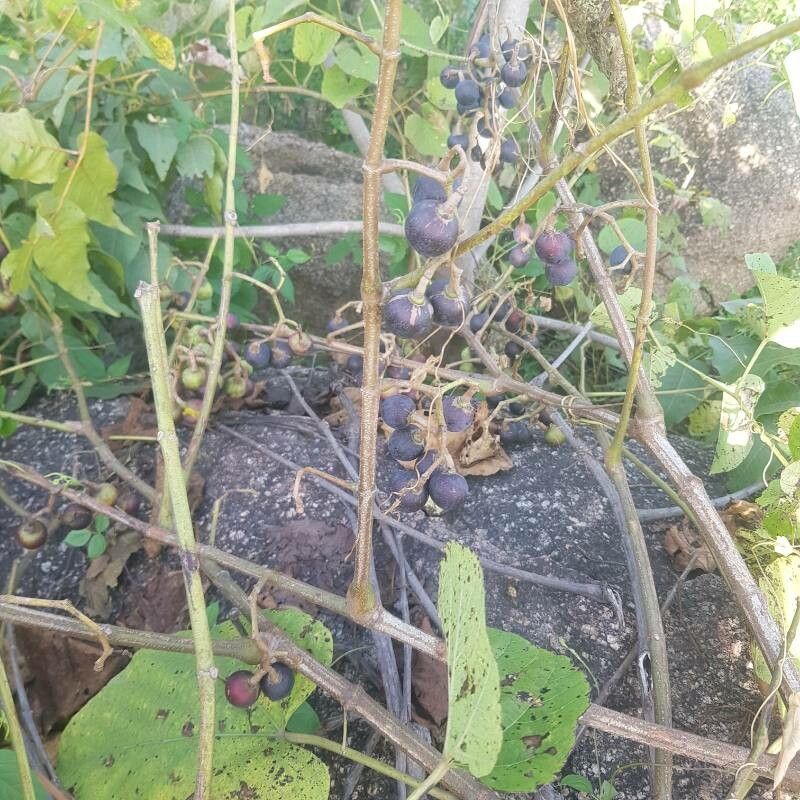
Hello fellow plant lovers! It’s so lovely to have you join me today for a little chat about one of my favorite vining beauties: Cissus populnea. If you’ve ever seen this plant, you know it’s got this incredible ability to weave and climb, adding a touch of lush, almost jungle-like vibes to any space. Its leaves are so wonderfully shaped, and watching it unfurl new growth is just pure joy.
Best of all? Propagating Cissus populnea is a breeze! Seriously, if you’re dipping your toes into the wonderful world of plant propagation, this is a fantastic starting point. You’ll be amazed at how easy it is to multiply your collection and share these green gems with friends.
The Best Time to Start
For the highest chance of success, I always recommend taking cuttings during the active growing season. Think of it like this: the plant is already full of energy and ready to put out new growth, so it’s the perfect time for it to focus its efforts on rooting. For most climates, this means late spring through early fall. Aim for when your plant is putting out new, vibrant shoots, rather than woody, older stems.
Supplies You’ll Need
Gathering your supplies beforehand makes the whole process smoother and more enjoyable. Here’s what I usually have on hand:
- Sharp Pruning Shears or a Clean Knife: A clean cut is crucial for preventing disease.
- A Loose, Well-Draining Potting Mix: I like to use a blend of equal parts potting soil, perlite, and coco coir. This gives the roots plenty of air and prevents sogginess.
- Small Pots or Propagation Trays: Whatever you have that’s clean and has drainage holes will work.
- Rooting Hormone (Optional but Recommended): For an extra boost, a rooting hormone powder or gel can really speed things up.
- Watering Can or Spray Bottle: For gentle watering.
- Plastic Bag or Dome (Optional): To create a humid environment.
Propagation Methods
Cissus populnea is quite obliging and can be propagated in a couple of easy ways.
Stem Cuttings
This is my go-to method for Cissus populnea.
- Select a Healthy Stem: Look for a non-flowering stem that has at least two to three leaf nodes. A node is where a leaf attaches to the stem.
- Make the Cut: Using your sharp shears, cut the stem just below a node. Aim for cuttings that are about 4-6 inches long.
- Prepare the Cutting: Gently remove the bottom leaves, leaving just one or two at the very top. This prevents them from rotting when inserted into the soil. If you’re using rooting hormone, dip the cut end into it now, tapping off any excess.
- Plant the Cutting: Make a small hole in your prepared potting mix with your finger or a pencil, then gently insert the cut end of the Cissus cutting. Tuck the soil in firmly around the stem to ensure good contact.
- Water Gently: Give the soil a thorough but gentle watering. You want it moist, but not waterlogged.
- Create Humidity: Place a clear plastic bag loosely over the pot, or use a propagation dome. This will help maintain humidity, which is vital for successful rooting. Make sure the leaves aren’t touching the plastic.
- Find a Bright Spot: Place the pot in a location that receives bright, indirect light. Avoid direct sun, which can scorch the delicate cuttings.
Water Propagation
This method is very satisfying because you can watch the roots develop!
- Take your Cuttings: Follow steps 1 and 2 from the stem cutting method.
- Remove Lower Leaves: Just like with soil propagation, remove any leaves that would sit below the water line.
- Place in Water: Pop your cuttings into a clean jar or vase filled with room-temperature water. Make sure at least one node is submerged.
- Change the Water Regularly: This iskey! Change the water every 2-3 days or whenever it starts to look cloudy. This prevents bacterial growth and keeps the water fresh.
- Location, Location: Like soil cuttings, place your water propagation setup in a spot with bright, indirect light.
The “Secret Sauce” (Pro Tips)
Here are a few little tricks I’ve picked up over the years that really seem to make a difference with Cissus propagation:
- The Bottom Heat Trick: If you have a seedling heat mat, placing your potted cuttings on it can work wonders. It encourages root development from below without drying out the top of the cutting. It’s not strictly necessary, but it definitely speeds things up.
- Don’t Over-Water (Seriously!): This is probably the most common mistake. While cuttings need moisture, soggy soil is a recipe for rot. It’s better to let the top layer of soil dry out slightly between waterings than to drown your little ones.
- Patience is a Virtue (and Humidity Helps!): Don’t get discouraged if you don’t see roots immediately. Cissus populnea can take its sweet time. That little dome or plastic bag is there to help maintain consistent humidity, which is your best friend in coaxing roots to form.
Aftercare & Troubleshooting
Once you start seeing those lovely little white roots peeking out from the drainage holes or a good network of roots in your water jar, it’s time to give your new plant a slightly more permanent home!
- Transplanting (from water): Gently transplant your rooted cutting into a pot with your well-draining potting mix. Water well and treat it as a young plant.
- Transplanting (from soil): If your soil cutting has shown new leaf growth, it’s generally a good sign that roots have formed. Water it once, then gradually acclimate it to its new pot and location slowly.
- Watering: Continue to water when the top inch of soil feels dry.
- Light: Keep it in bright, indirect light.
Common Signs of Failure:
- Yellowing Leaves: This can sometimes be a sign of overwatering or not enough light. Check your watering schedule and ensure it’s in a bright spot.
- Rotting Stem: If the stem turns mushy and black, it’s usually due to too much moisture and poor air circulation. Unfortunately, this often means the cutting is lost. If you catch it early, you might be able to cut off the rotted section and try again.
- Wilting: While a bit of wilting can happen as the plant adjusts, persistent wilting can indicate root rot or drying out too much.
A Gentle Reminder to Keep Going
Propagating plants is a journey, and every cutting is a little experiment. Some will take off like weeds, and others might be a bit more stubborn. The most important thing is to be patient and enjoy the process. Learning what works best for your plants in your unique environment is part of the fun! Happy propagating, and may your Cissus collection grow and thrive!
Resource:
https://identify.plantnet.org/k-world-flora/species/Cissus%20populnea%20Guill.%20&%20Perr./data