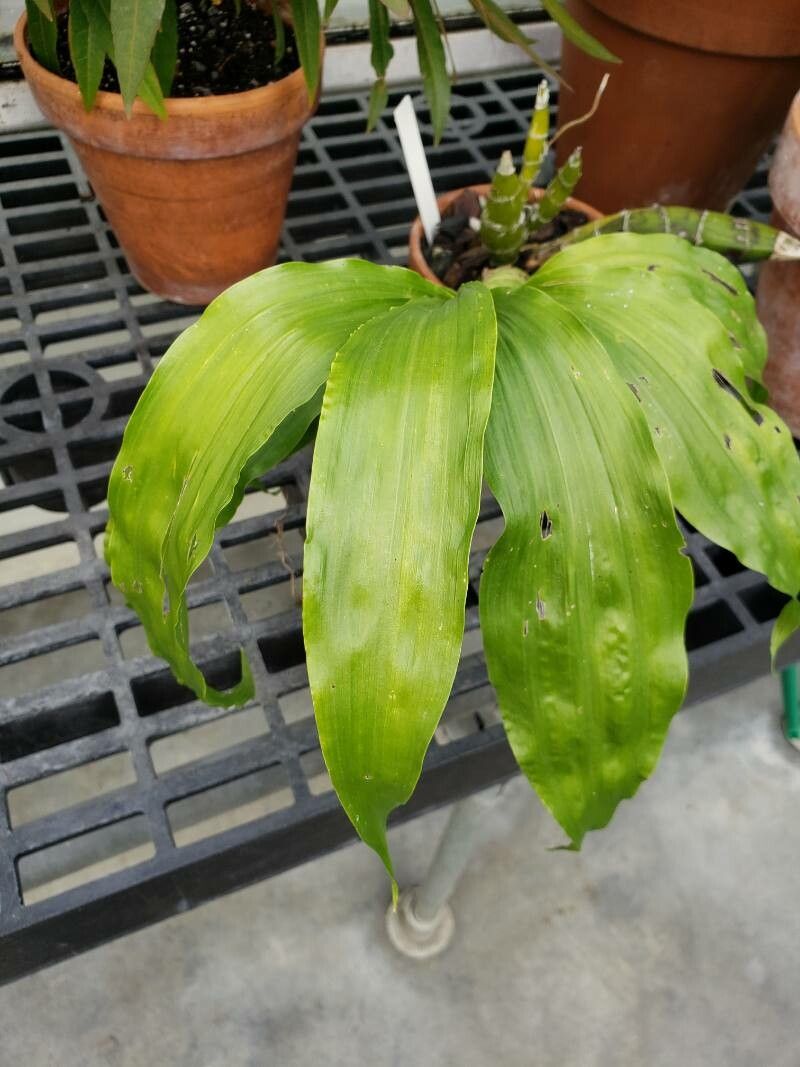
Hello, fellow plant enthusiasts! Today, we’re diving into the wonderful world of Chysis limminghei. If you’ve ever admired those graceful, cascading stems adorned with delicate, bell-shaped flowers – usually in soft yellows, creams, or even subtle pinks – you know why this orchid is such a charmer. But beyond its beauty, successfully propagating Chysis limminghei is a deeply rewarding experience. It’s like coaxing a brand new life into existence right before your eyes! Now, let’s be honest, orchids can sometimes feel a little… intimidating. While Chysis limminghei isn’t the easiest orchid to propagate for an absolute beginner, with a little patience and the right approach, it’s absolutely achievable and oh-so-worth-it.
The Best Time to Start
Timing is everything when it comes to coaxing new growth. For Chysis limminghei, the absolute sweetest spot is just after flowering. You’ll notice the plant entering a period of active growth, with new shoots and perhaps even plump, developing pseudobulbs. This is when the plant has the energy reserves to dedicate to forming new roots and stems. Trying to propagate when the plant is dormant or stressed is like asking someone to run a marathon on an empty stomach – not ideal!
Supplies You’ll Need
Gathering your materials beforehand makes the whole process much smoother. Here’s what I usually have on hand:
- Sharp, sterile pruning shears or a clean hobby knife: For making precise cuts. Sterilize with rubbing alcohol or a flame before and between cuts.
- Chysis limminghei plant: One that looks healthy and vigorous, ideally with a good number of mature pseudobulbs.
- Orchid potting mix: A chunky, well-draining blend is crucial. I prefer a mix of bark, perlite, and a bit of charcoal. You want good aeration for those roots.
- Small pots or containers: Clean ones, of course, with good drainage holes.
- Rooting hormone (optional but recommended): A powdered or liquid hormone can give your cuttings a helpful boost.
- Clear plastic bags or a propagation dome: To create a humid environment.
- Labels and a permanent marker: To keep track of what you’ve done and when!
- Watering can or spray bottle: For gentle moisture.
- Bottom heat source (optional, but a game-changer!): A seedling heat mat can encourage faster root development.
Propagation Methods
Chysis limminghei is primarily propagated through division. This is where you skillfully separate a mature plant into smaller, viable sections.
Division Walkthrough:
- Prepare your plant: Gently unpot your Chysis limminghei. Try to keep as much of the original potting medium around the roots as possible initially.
- Inspect the root system: Carefully tease apart the roots, looking for natural divisions. You’re aiming for sections that have at least two to three healthy pseudobulbs and a good root system attached. Don’t be afraid to gently pull them apart, but if you encounter significant resistance, it might be best to use your sterile pruners or knife to make a clean cut through intertwined roots or rhizomes.
- Make the cut: If you need to cut, ensure your tool is spotlessly clean and sharp. Aim to cut cleanly through the rhizome (the stem that connects the pseudobulbs).
- Treat the cuts: If you made any significant cuts, you can lightly dust the cut surfaces with Cinnamon or a fungicide powder. This helps to prevent fungal infections.
- Prepare the new divisions: Gently remove any old, spent potting medium from the roots of your new divisions. Inspect the roots and trim away any that are dead, mushy, or papery.
- Apply rooting hormone (optional): If you’re using rooting hormone, lightly dip the cut ends or the base of the pseudobulbs into the powder or solution according to the product’s instructions.
- Potting up: Place each division into its own clean pot, nestled so the base of the pseudobulbs is at or slightly above the surface of the new potting mix. Fill around the roots with your chunky orchid mix.
- Initial watering: Water gently but thoroughly after potting. You want to settle the mix around the roots.
The “Secret Sauce” (Pro Tips)
Here are a few things I’ve learned over the years that really make a difference:
- Don’t over-pot: Give your new divisions a pot that feels snug for their root system. Too much excess potting medium can hold too much moisture and lead to rot, especially for young plants.
- Mimic their natural humidity: Chysis limminghei loves a humid environment. After potting, I like to place the potted divisions inside a clear plastic bag or under a propagation dome. Make sure there’s some air circulation – I usually poke a few small holes in the bag or crack open the dome lid slightly. This helps prevent fungal issues while keeping that precious humidity high.
- Bottom heat is your friend: If you have a seedling heat mat, place your potted divisions on it. A consistent, gentle warmth (around 70-75°F or 21-24°C) from below significantly encourages root formation and speeds up the process.
Aftercare & Troubleshooting
Once your divisions are potted, treat them with gentle care. Keep them in bright, indirect light – no direct sun for these youngsters! Maintain that humidity. Water when the potting mix is approaching dryness, but avoid letting them sit in soggy conditions.
You’ll know you’re on the right track when you start to see new root growth peeking out from the bottom of the pot or along the rhizomes. This can take anywhere from a few weeks to a couple of months. Patience is key!
What if things go wrong? The most common culprit is rot. Signs include mushy, blackening pseudobulbs or leaves that turn yellow and drop off prematurely, often with a soft base. If you spot rot, act fast. You might need to unpot the division, cut away all the affected mushy material with your sterile knife, dust with fungicide, and repot in fresh, dry mix. Prevention through good airflow and careful watering is the best defense. If a pseudobulb looks completely spent and shriveled, it’s likely beyond recovery, but don’t give up on the rest of the plant!
A Encouraging Closing
Propagating Chysis limminghei is a journey, and like any good gardening project, it requires a bit of patience and a lot of observation. Don’t be discouraged if your first attempt isn’t perfect. Each time you try, you learn a little more. Celebrate the successes, learn from the stumbles, and most importantly, enjoy the process of nurturing new life. Happy propagating!
Resource:
https://identify.plantnet.org/k-world-flora/species/Chysis%20limminghei%20Linden%20&%20Rchb.f./data