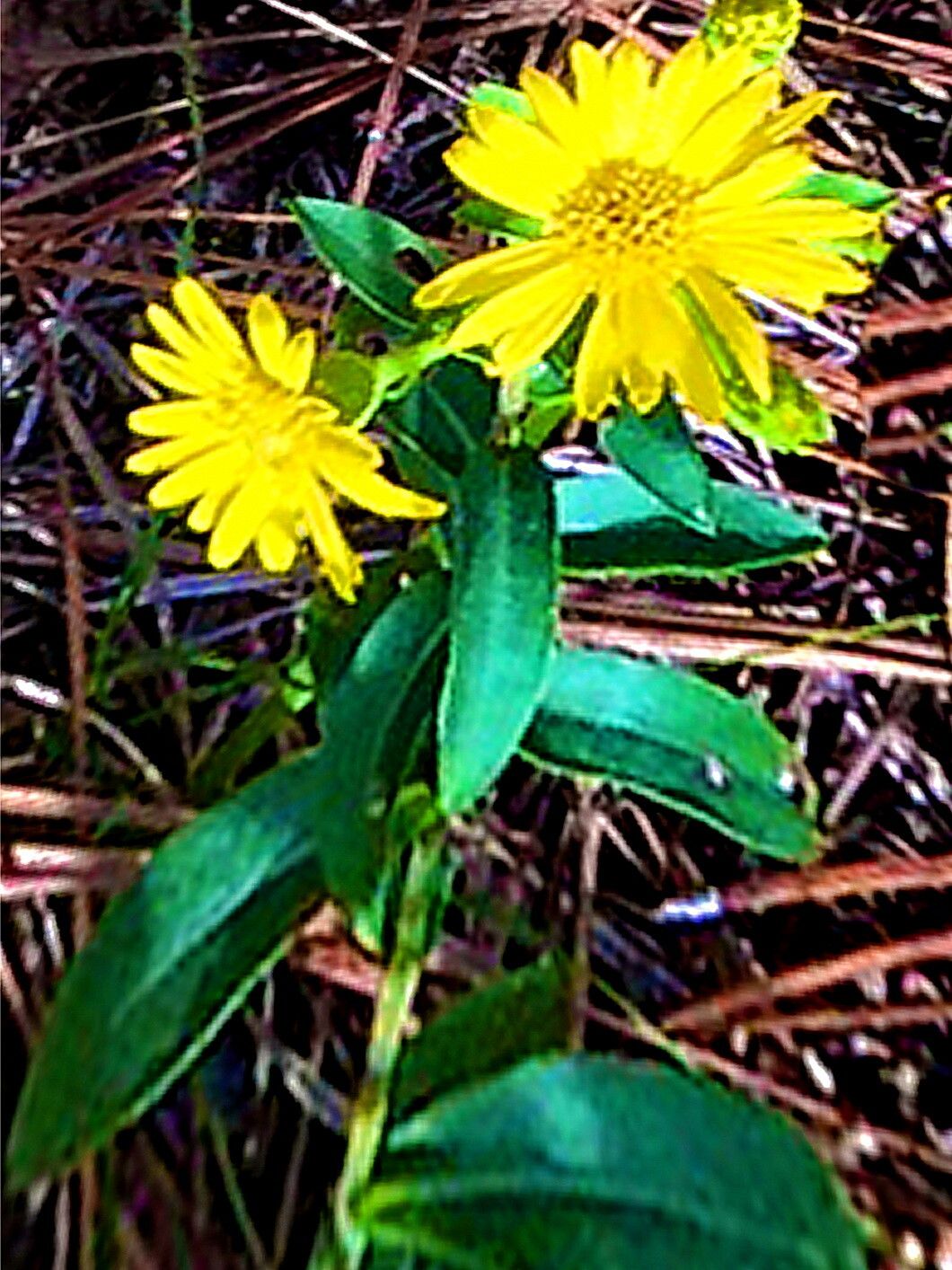
Oh, Chrysopsis mariana, affectionately known as Maryland Golden Aster, is just a delight! With its cheerful, daisy-like yellow blooms that seem to hold on well into fall, it’s a late-season burst of sunshine in any garden. And the best part? It’s surprisingly easy to multiply. If you’ve ever admired its sunny disposition and wished you had more, you’re in luck! Propagating this little gem is a wonderfully rewarding experience, and I’d say it’s quite beginner-friendly. You’ll be sharing these beauties with friends in no time!
The Best Time to Start
For the highest success rate with Chrysopsis mariana, I’ve found that late spring to early summer is absolutely ideal. This is when the plant is actively growing and has plenty of energy to put into developing new roots. You want to catch it before it gets too tall or starts setting a lot of flower buds.
Supplies You’ll Need
Gathering your supplies makes the whole process smoother. Here’s what I always have on hand:
- Sharp Pruning Shears or a Clean Knife: For making clean cuts.
- Well-Draining Potting Mix: A mix of perlite, compost, and a bit of peat moss works beautifully. You can also find specific seed-starting or propagation mixes.
- Small Pots or Seed Trays: With drainage holes, of course!
- Rooting Hormone (Optional but Recommended): This is especially helpful for stem cuttings to encourage faster and stronger root development.
- Watering Can or Mister: For gentle watering.
- Plastic Bags or a Clear Propagation Dome: To maintain humidity.
- Labels: So you don’t forget what you’ve planted!
Propagation Methods
There are a couple of tried-and-true ways to propagate Chrysopsis mariana. I’ll walk you through my favorites.
Stem Cuttings
This is my go-to method for increasing my collection of Maryland Golden Asters.
- Take the Cuttings: In late spring or early summer, using your clean shears, take stem cuttings that are about 4-6 inches long. Look for healthy, non-flowering stems. Make the cut just below a leaf node (where a leaf grows from the stem).
- Prepare the Cuttings: Gently remove the lower leaves, leaving just a few at the top. This prevents decay when they’re in the soil. If you’re using rooting hormone, dip the cut end of each cutting into it, tapping off any excess.
- Plant the Cuttings: Fill your pots or trays with your propagation mix. Make a small hole with your finger or a pencil, then insert the cut end of the stem into the hole. Gently firm the soil around it.
- Water and Cover: Water the soil lightly but thoroughly. Then, cover the pots with a plastic bag or a propagation dome to create a humid environment. Make sure the leaves don’t touch the sides of the bag if possible.
- Provide Light: Place the pots in a bright spot that gets indirect sunlight. Direct sun can scorch young cuttings.
Division
This is a fantastic way to rejuvenate an older clump of Chrysopsis mariana and get new plants at the same time.
- Dig Up the Plant: In early spring, before new growth really takes off, carefully dig up the entire plant. You might want to water it a day or two beforehand to make digging easier.
- Divide the Roots: Gently shake off excess soil. You should be able to see where the main root ball naturally divides into smaller sections. Use your hands to pull the sections apart, or if it’s a tough clump, you might need to use a clean trowel or knife to cut through the roots. Each division should have plenty of roots and some healthy stems.
- Replant: Immediately replant the divisions into their new locations. Space them appropriately for their mature size. Water them in well.
The “Secret Sauce” (Pro Tips)
Here are a couple of things I’ve learned over the years that really make a difference:
- Don’t Drown Them! While humidity is essential for cuttings, soggy soil is the fastest way to invite rot. Ensure excellent drainage and water only when the top inch of soil feels dry. It’s better to underwater slightly than to overwater.
- Bottom Heat is Your Friend (for Cuttings): If you want to speed things up significantly, especially if your house is a bit on the cool side, placing your pots on a gentle heating mat designed for propagation can make a world of difference. It encourages root formation from the bottom up.
Aftercare & Troubleshooting
Once you see new leafy growth on your cuttings, that’s a great sign that roots are forming!
- Acclimate Gradually: Once roots are established (you might see them peeking out of drainage holes, or the plant will feel more firmly rooted), you can gradually acclimate your cuttings to normal conditions. Start by removing the plastic bag or dome for a few hours each day for a week before removing it entirely.
- Water Regularly: Continue to water them when the top inch of soil is dry. As they grow, you can transplant them into slightly larger pots.
- Watch for Rot: The most common problem is rot. If your cuttings turn black and mushy, or if the leaves start to wilt and yellow without recovery, it’s usually a sign of too much moisture. Unfortunately, rotted cuttings rarely recover. Ensure good air circulation and don’t overwater. For divisions, occasionally a section might not take – that’s normal! Just pull it out and compost it.
A Little Patience Goes a Long Way
Growing new plants from cuttings or divisions is such a fulfilling part of gardening. Don’t get discouraged if not every single one succeeds. Nature has its own timeline! Just keep at it, enjoy the process, and you’ll soon have an abundance of cheerful Chrysopsis mariana to brighten your garden. Happy propagating!
Resource:
https://identify.plantnet.org/k-world-flora/species/Chrysopsis%20mariana%20Elliott/data