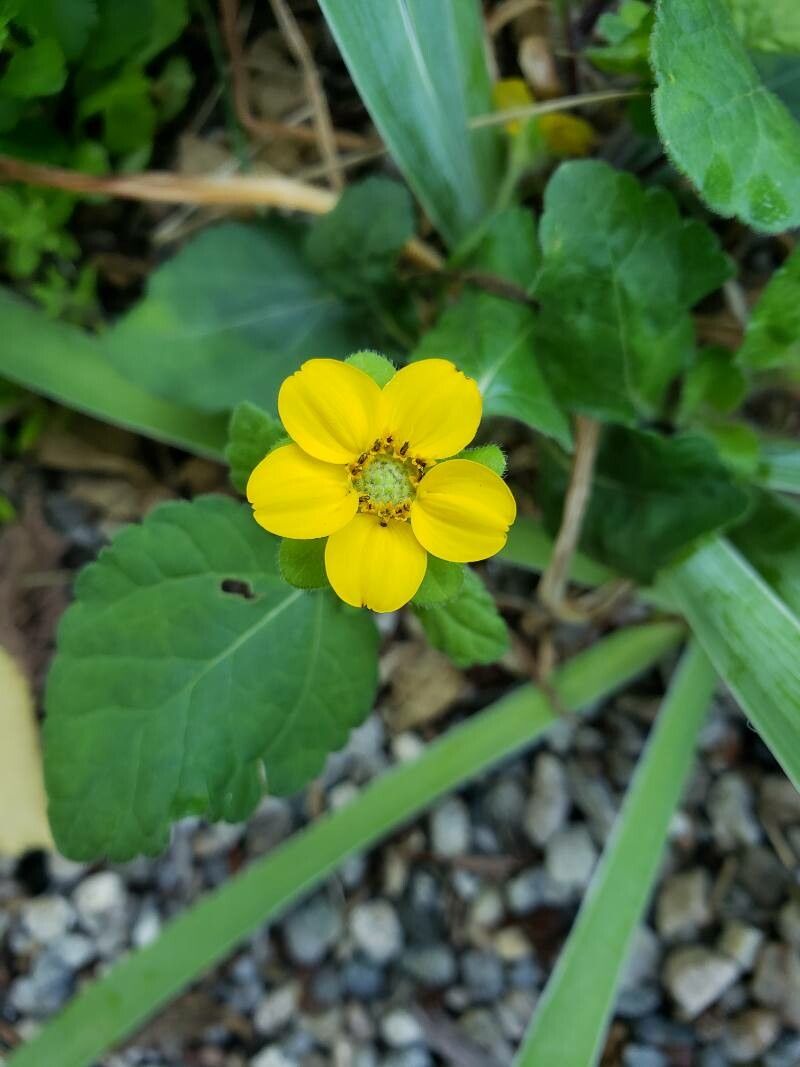
Hello there, fellow garden enthusiasts! Today, I want to chat about a little gem of a plant that truly brightens up the shady spots in my garden: Chrysogonum virginianum, also known as Golden Star or Green-and-Gold. If you haven’t met it, imagine a carpet of cheerful, small, star-shaped yellow flowers that bloom for ages, from spring right through to fall. It’s a fantastic groundcover and a real workhorse in less-than-sunny conditions.
Now, if you’re looking for a plant that’s a breeze to propagate, Golden Star is definitely a winner. I’ve found it to be quite forgiving for beginners, which makes it incredibly rewarding when you see those first little roots forming. It’s a wonderful way to expand your collection or share these beauties with friends.
The Best Time to Start
For the absolute best success rate with Chrysogonum virginianum, I like to start my propagation efforts in late spring or early summer. This is when the plant is actively growing, and new shoots are readily available. The warmer temperatures and longer days give those cuttings or divisions the best chance to establish themselves quickly. While you can propagate at other times, this window is truly prime.
Supplies You’ll Need
Gathering your supplies beforehand makes the whole process smoother. Here’s what I usually have on hand:
- Sharp pruning shears or a clean knife: For making precise cuts.
- Seedling pots or small containers: About 3-4 inches in diameter work well. Make sure they have drainage holes.
- Potting mix: A good quality, well-draining potting mix is key. I often use a blend that includes perlite or vermiculite for aeration. A mix specially formulated for seedlings is also a great choice.
- Rooting hormone (optional but recommended): This can give your cuttings a little boost and encourage faster root development. Look for a powder or gel form.
- Watering can or spray bottle: For gentle watering.
- Labels: To keep track of what you’ve propagated and when.
Propagation Methods
Golden Star is wonderfully adaptable, and you have a couple of excellent ways to get more plants.
Stem Cuttings
This is my go-to method for Golden Star, as it’s generally very reliable.
- Take your cuttings: In late spring or early summer, look for healthy, non-flowering shoots on your established plant. Using your sharp pruning shears, cut a stem that’s about 4-6 inches long. Aim to make the cut just below a leaf node (where a leaf attaches to the stem).
- Prepare the cuttings: Gently remove the lower leaves from the stem, leaving just a few sets of leaves at the top. If you’re using rooting hormone, dip the cut end of the stem into the powder or gel, tapping off any excess.
- Plant the cuttings: Fill your small pots with the well-draining potting mix. Make a small hole in the center of the soil with your finger or a pencil. Insert the cut end of the stem into the hole, ensuring at least one leaf node is buried in the soil. Gently firm the soil around the cutting.
- Water and cover: Water the soil thoroughly but gently. You want it moist, not soggy. To create a humid environment, which cuttings love, you can place the pots inside a clear plastic bag or cover them with a clear plastic dome. Make sure the leaves don’t touch the plastic.
Division
This is a fantastic way to propagate established clumps and also gives your mother plant a nice refresh.
- Gently dig up the plant: In spring or fall (though spring is generally preferred for less stress), carefully dig around the base of your Chrysogonum virginianum clump. Lift it out of the ground.
- Separate the roots: Gently shake off some of the excess soil. You’ll see that the clump naturally divides into smaller sections, each with roots and shoots. You can often gently pull the sections apart with your hands. If the roots are a bit tough, use a clean knife or trowel to slice through them.
- Replant immediately: Plant the divided sections in their new locations in the garden or in pots with fresh potting mix. Water them in well.
The “Secret Sauce” (Pro Tips)
Over the years, I’ve picked up a few little tricks that seem to make a difference.
- Don’t let the leaves touch the water: This is especially important for stem cuttings. If the leaves are submerged, they’ll rot before they have a chance to root. Trim them back if necessary.
- Bottom heat is your friend (for cuttings): If you’re struggling with rooting cuttings, a seedling heat mat placed under the pots can really speed things up. It mimics the warmth of the soil in summer and encourages root formation.
- Patience with division: When dividing, don’t be afraid to be a little firm but always gentle. The goal is to get each new piece with a good portion of roots. Even if a piece looks small, it has a good chance if it has healthy roots.
Aftercare & Troubleshooting
Once your cuttings have taken root (you’ll usually see new growth, or you can gently tug on a cutting and feel resistance), it’s time to treat them like young plants.
Continue to keep the soil consistently moist but not waterlogged. As they grow larger, you can gradually acclimate them to less humid conditions if they were under cover. Once they have a robust root system and are showing good top growth, you can transplant them into slightly larger pots or into their permanent garden spots.
The most common issue you might encounter is rot, which is usually a sign of overwatering or poor drainage. If you notice your cuttings wilting, turning mushy, or developing dark spots, it’s likely due to too much moisture. In this case, pull out the affected cuttings and ensure your soil and pots have excellent drainage for any remaining ones.
A Encouraging Closing
Propagating Chrysogonum virginianum is such a rewarding experience. It’s a chance to multiply the joy these cheerful plants bring to your garden. Don’t be discouraged if your first attempt isn’t perfect – gardening is all about learning and trying. Be patient, enjoy the process of nurturing these little green shoots, and soon you’ll have an abundance of Golden Stars to share! Happy gardening!
Resource:
https://identify.plantnet.org/k-world-flora/species/Chrysogonum%20virginianum%20L./data