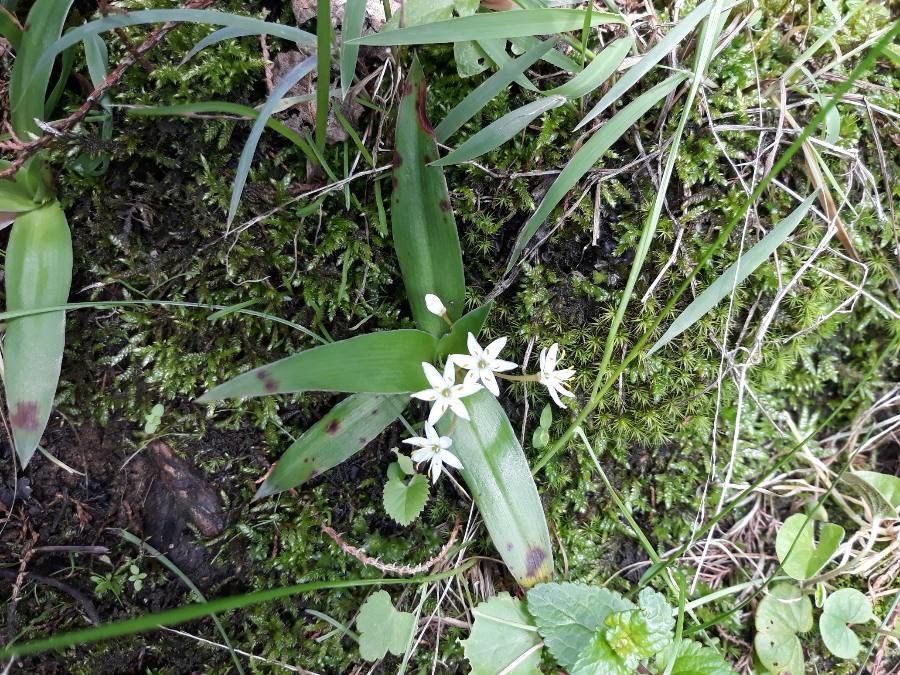
Oh, the Spider Plant! Isn’t it just one of those plants that makes you smile? You know, the ones with those graceful, arching leaves that look like little green fountains? Chlorophytum tetraphyllum, or more commonly, the Spider Plant, is practically a poster child for easy-care houseplants. And the best part? They’re incredibly rewarding to propagate. You can literally turn one happy plant into a whole family of happy plants with very little fuss. If you’ve ever felt a little intimidated by plant propagation, this is the perfect place to start. Spider plants are ridiculously forgiving, making them a dream for beginners and seasoned green thumbs alike.
The Best Time to Start
Honestly, spider plants are so eager to multiply that you can often have success year-round, especially if you have a nicely lit indoor space. But, if you’re aiming for the highest success rate and the quickest growth, late spring to early summer is your golden ticket. This is when the plant is actively growing and has the most energy to share. You’ll notice it’s already producing lots of those little baby spider plants, called “pups,” then.
Supplies You’ll Need
Gathering your tools before you begin makes the whole process flow so much smoother. Here’s what I usually have on hand:
- Sharp Pruning Shears or Scissors: Clean cuts are happy cuts!
- Small Pots or Seed Starting Trays: For your new babies.
- Well-Draining Potting Mix: A good quality houseplant mix, or you can even do a 50/50 blend of potting soil and perlite.
- Water: For watering and for the water propagation method.
- Optional: Rooting Hormone: Not essential for spider plants, but it can give a little extra boost.
- Optional: Small Pebbles or Gravel: For drainage in propagation jars.
Propagation Methods: Sharing the Green Love!
Spider plants are generous, and they offer up a couple of super simple ways to create new plants.
Method 1: Offsets (Pups) – The Easiest Way!
This is the most common and easiest method for spider plants. You’ll see these little plantlets dangling from long stems, like tiny chandeliers.
- Locate the Pups: Look for the long stems (called stolons) that grow out from the main plant. At the ends of these stems, you’ll find the baby spider plants, or pups.
- Wait for Roots: Ideally, wait until the pup has developed its own tiny roots. You’ll usually see little white bumps forming where the roots will emerge. If it’s already got a few little white nubs, that’s perfect!
- Sever the Connection: Using your clean pruning shears or scissors, carefully cut the stolon as close to the main plant as possible, leaving the pup attached. You can also cut it where the pup attaches to the stolon, again leaving any little roots intact.
- Pot Them Up: Fill your small pot with your well-draining potting mix. Make a small well in the center and gently place the pup into it. Tuck the soil gently around the base of the pup, ensuring the roots are covered. Don’t bury the crown of the plant too deeply.
- Water Gently: Water the soil lightly. You want it to be moist, not soggy.
Method 2: Water Propagation (for Stems or Pups)
This is a fun way to watch the roots grow! You can do this with either the pups or just a piece of the stem, though pups with tiny roots generally do best here.
- Prepare Your Vessel: Grab a clean glass jar or vase.
- Fill with Water: Fill it with room-temperature water.
- Place Your Cutting: If using a pup, snip it off the mother plant. If it has tiny roots already, that’s great. If not, don’t worry! Submerge the base of the pup or cutting in the water. If you’re using a pup, try to keep the leaves out of the water as much as possible. This prevents them from rotting. You can use a few small pebbles at the bottom to help hold the cutting upright.
- Find a Good Spot: Place the jar in bright, indirect light.
- Change the Water: Change the water every few days to keep it fresh and prevent bacteria buildup. You’ll start to see tiny white roots emerging within a few weeks.
- Pot When Ready: Once the roots are about an inch or two long, you can transplant them into soil just like you would with the offset method.
The “Secret Sauce” (Pro Tips)
Here are a couple of little tricks I’ve picked up over the years that make a world of difference:
- Don’t Overcrowd Your Propagation Jar: When water propagating, give each cutting a little space. If they’re too crowded, it can encourage disease and make it harder for roots to develop equally.
- Use a Humidity Dome (Optional but helpful): Especially if you’re propagating in drier conditions or at a time of year when the air is less humid, covering your newly potted pups with a clear plastic bag or popped-on lid can create a mini-greenhouse. Just make sure to “vent” it daily by opening the bag or lid for a few minutes to prevent mold.
Aftercare & Troubleshooting
Once your new spider plant has roots, it’s ready for a little more independence!
- Consistent Moisture: Keep the soil lightly moist but not waterlogged. Overwatering is the most common mistake and can lead to root rot.
- Bright, Indirect Light: Just like the parent plant, your new babies will thrive in bright, indirect light. Too much direct sun can scorch their leaves.
- Patience is Key: It can take time for the roots to establish and for the plant to really start growing vigorously. Don’t panic if it looks a little slow to take off.
Common Signs of Trouble:
- Yellowing Leaves: This can be a sign of overwatering or underwatering. Check the soil moisture.
- Browning Leaf Tips: This is super common with spider plants and is often due to mineral buildup from tap water or dry air. Don’t worry too much about this on young plants, but it’s good to be aware of.
- Mushy Base/Rot: This is a sure sign of overwatering and potential root rot. If you see this, you might need to try and salvage any healthy parts of the pup or stem and try again. Clean your tools and start fresh.
A Gentle Wrap-Up
And there you have it! Propagating spider plants is genuinely one of the most satisfying ways to expand your plant collection or share a bit of green joy with friends. Be patient, trust your instincts, and have fun with it. Each new plant is a little success story, a testament to nature’s incredible ability to just keep growing. Happy propagating!
Resource: