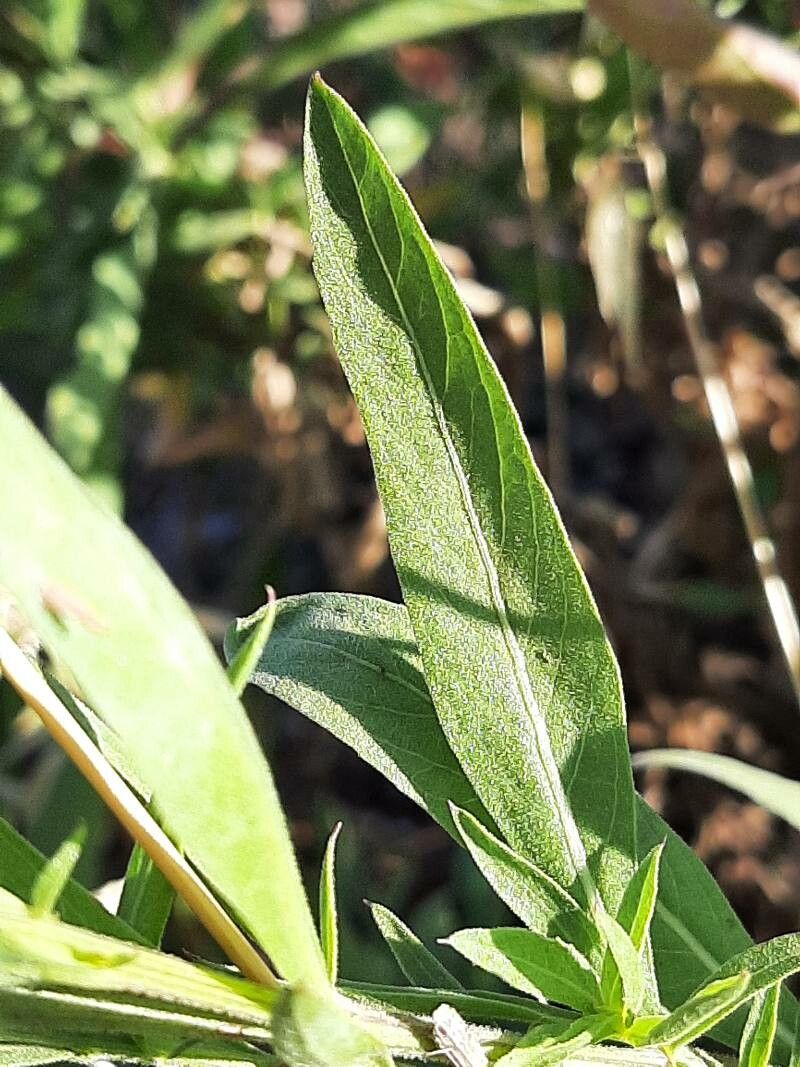
Hello fellow plant enthusiasts! It’s so lovely to be sitting down with you today, cup of coffee in hand, to chat about a truly delightful plant: Cheirolophus uliginosus. If you haven’t met this beauty yet, imagine dainty, star-shaped flowers in shades of lavender or pale purple, often with a subtle, sweet fragrance, gracing delicate, leafy stems. It brings such an airy, natural charm to any garden bed or container. And the best part? You can easily bring more of this beauty into your life by propagating it!
Now, a little spoiler before we dive in: Cheirolophus uliginosus is moderately easy to propagate. It’s not quite “stick it in the ground and forget it” territory, but with a few key practices, you’ll be well on your way to success. It’s a really rewarding project, giving you that lovely sense of accomplishment when you see those tiny roots unfurl.
The Best Time to Start
For Cheirolophus uliginosus, the spring or early summer is your golden ticket. This is when the plant is actively growing after its winter rest, and the stem tips are tender and full of life. You’re looking for semi-hardwood cuttings, which are stems that have started to firm up but still have some flexibility. Think of it as that point where a new shoot isn’t quite woody yet but also isn’t floppier than a wilting lettuce leaf.
Supplies You’ll Need
Let’s gather our tools. Having everything ready makes the whole process so much smoother:
- Sharp, clean pruning shears or a sharp knife: Essential for making clean cuts that heal well.
- Rooting hormone (optional, but recommended): This stuff works wonders in encouraging root development. Look for a powder or gel.
- Gritty, well-draining potting mix: A 50/50 blend of perlite and peat moss or coco coir is perfect. You want moisture, but no sogginess.
- Small pots or trays: Clean containers with drainage holes are a must. 3-4 inch pots are ideal to start.
- Plastic bags or a propagation dome: To create a humid microclimate.
- Watering can with a fine rose: Gentle watering is crucial for delicate cuttings.
- Labels and a marker: To keep track of what you’ve potted and when.
Propagation Methods
I find that stem cuttings are the most reliable and effective way to propagate Cheirolophus uliginosus. Here’s how I do it:
- Take Your Cuttings: In spring or early summer, select healthy, non-flowering stems. Using your clean shears, make a cut just below a leaf node (where a leaf attaches to the stem). You’re aiming for cuttings that are about 4-6 inches long.
- Prepare the Cuttings: Gently remove the lower leaves from the cutting, leaving just the top 2-3 leaves. If the leaves are quite large, you can even cut them in half to reduce water loss. This is a small step that makes a big difference!
- Apply Rooting Hormone (Optional): Dip the cut end of the stem into your rooting hormone, tapping off any excess.
- Pot Them Up: Fill your clean pots with your prepared potting mix. Make a small hole in the center of the soil with your finger or a pencil. Gently insert the cut end of the Cheirolophus cutting into the hole.
- Firm the Soil: Lightly firm the soil around the cutting to ensure good contact.
- Water Gently: Water the potting mix thoroughly but carefully, making sure not to dislodge the cuttings.
- Create Humidity: Cover the pots with a clear plastic bag or a propagation dome. Make sure the plastic doesn’t touch the leaves of the cuttings. You can use stakes or chopsticks to support the bag if needed.
- Find a Bright Spot: Place your pots in a bright location that receives indirect sunlight. Avoid direct, hot sun, which can scorch the delicate cuttings.
The “Secret Sauce” (Pro Tips)
As I mentioned, a few little tricks can really boost your success rate:
- Bottom Heat is Your Friend: If you have a seedling heat mat, giving your pots a little warmth from below can significantly speed up root development. It mimics the warm soil of spring and encourages those roots to get going.
- Don’t Overwater, But Don’t Let Them Dry Out: This is a delicate balance. The soil should be consistently moist, but never waterlogged. I like to check the moisture by gently touching the surface of the soil. If it feels dry, it’s time for a gentle watering.
- Mist Regularly: Even with the plastic cover, misting the cuttings (not the soil directly, but the leaves and air around them) every few days can help keep them turgid and happy while they’re developing roots.
Aftercare & Troubleshooting
Once you start to see signs of new growth – perhaps a tiny new leaf unfurling at the tip – it’s a good indication that roots are forming! This is also the time to gradually acclimatize your new plant to lower humidity. Start by opening the plastic bag for a few hours each day, then remove it completely over the course of a week.
Keep the soil consistently moist, and once the roots have clearly filled the pot (you might see them peeking out of the drainage holes or feel resistance when you gently tug on the cutting, though I usually wait for visible growth), it’s time to transplant them into slightly larger pots with your regular potting mix. Continue to provide bright, indirect light.
Now, what if things don’t go as planned? The most common pitfall is rot. If your cuttings turn black and mushy, it’s usually a sign of too much moisture or poor air circulation. Unfortunately, there’s not much you can do once rot sets in, but it’s a learning experience! Ensure your soil drains well and your pots have good airflow next time. Another sign of struggle can be wilting, which might mean they’re too dry, or the conditions are too hot and sunny.
A Little Patience, A Lot of Joy!
There you have it! Propagating Cheirolophus uliginosus is a wonderful way to expand your plant family. Don’t be discouraged if your first attempt isn’t perfect. Gardening is a journey of learning and observation, and each little step brings you closer to success. Enjoy the process, celebrate those tiny wins, and soon you’ll have an abundance of these charming blooms to share and enjoy. Happy gardening!
Resource: