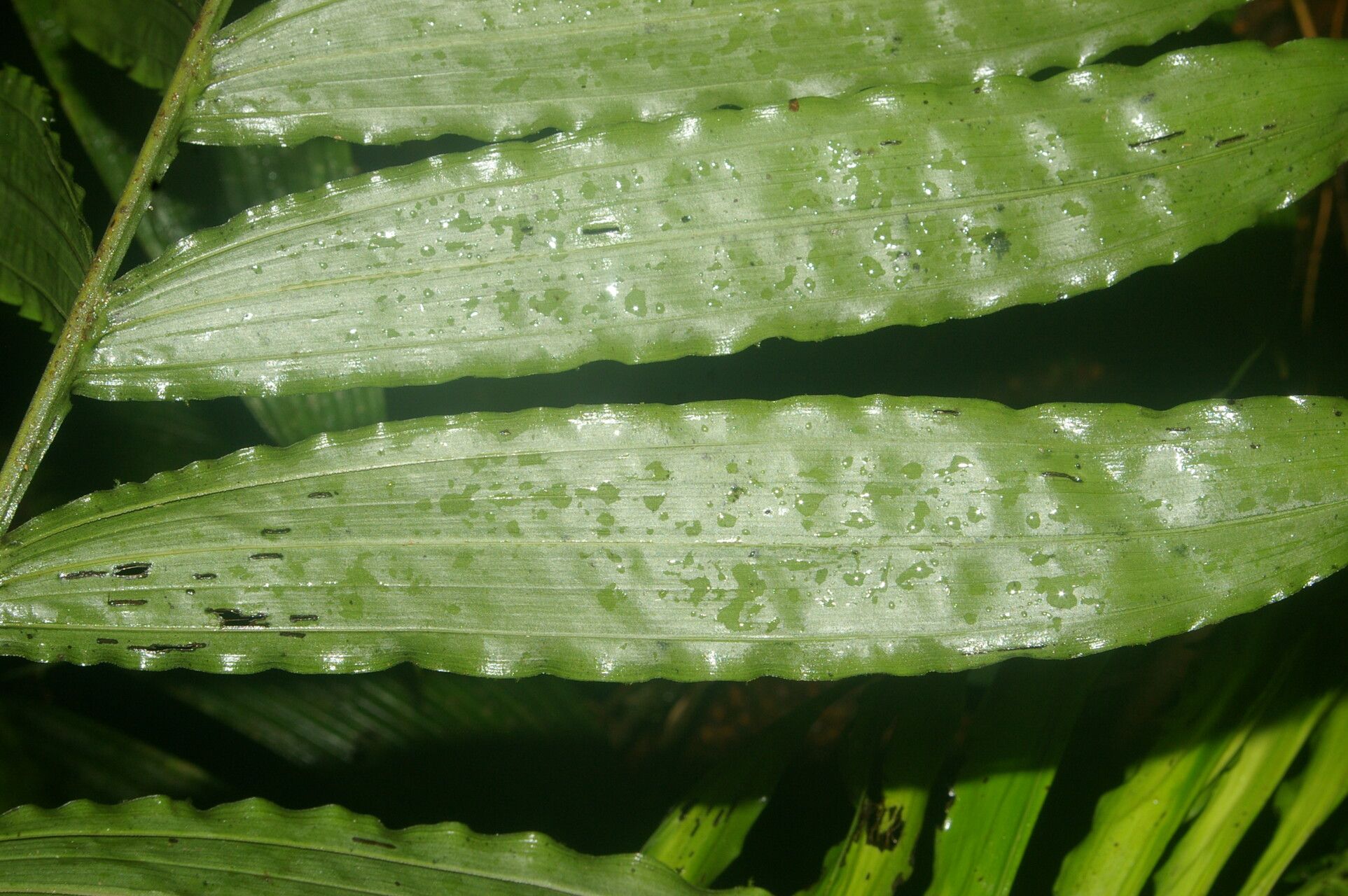
Oh, hello there, fellow plant lover! I’m so glad you’re interested in Chamaedorea undulatifolia, also known affectionately as the Parlor Palm’s wavy-leafed cousin. It’s a truly elegant palm with those lovely, rippled fronds that bring such a tropical whisper to any indoor space. And the best part? Growing more of them from your existing beauties is absolutely achievable!
While some palms can be a bit fussy to propagate, I’ve found Chamaedorea undulatifolia to be moderately straightforward. It’s not quite as beginner-proof as a pothos cutting, but with a little patience and the right approach, you’ll be rewarded with tiny new palms of your own. It’s incredibly satisfying to see a new plant sprout from a piece of an older one.
The Best Time to Start
The sweet spot for propagating Chamaedorea undulatifolia is definitely during its active growing season. Think late spring through summer. This is when the plant has the most energy to put into producing new roots. I usually aim to do it in early to mid-summer, just as things are really heating up and my plants are showing a lot of new growth.
Supplies You’ll Need
Here’s a little pile of goodies to have on hand. Don’t worry, it’s nothing too fancy!
- Sharp, clean pruning shears or a sharp knife: For making clean cuts. Sterilize them with rubbing alcohol before and after you use them.
- Potting mix: A well-draining mix is crucial. I like to combine equal parts peat moss, perlite, and coarse sand. You could also use a good quality cacti and succulent mix.
- Small pots or propagation trays: Whatever you have that’s clean and has drainage holes.
- Rooting hormone (optional but recommended): This little booster can really help! Look for one that’s formulated for stem cuttings.
- Water: For rinsing, and potentially for water propagation.
- Pebbles or gravel (optional): For creating a humid environment in a tray.
- Plastic bag or humidity dome: To keep humidity high around your cuttings.
Propagation Methods
For Chamaedorea undulatifolia, division is generally the most successful and common method. This palm tends to produce offsets, or baby plants, at its base.
Propagating by Division
- Gently remove the parent plant from its pot. You might need to loosen the soil around the edges with a trowel or your fingers.
- Inspect the base of the plant. Look for smaller plantlets that have their own roots emerging from the main root ball.
- Carefully separate the offset. The goal is to get a piece that has a good clump of roots attached. You might need to gently tease apart the roots with your fingers. If it’s really stuck, a clean, sharp knife or trowel can help you make a clean cut. Don’t force it!
- Prepare the new pot. Fill a small pot with your well-draining potting mix.
- Plant the offset. Make a small hole in the soil and gently place the offset in, ensuring the roots are spread out. Bury the base of the offset just as it was before, at the soil line.
- Water thoroughly. Water gently until you see water drain from the bottom of the pot. This helps settle the soil around the roots.
- Place in a bright, indirect light. Avoid direct sun, which can scorch new growth.
- Maintain humidity. You can place the pot in a plastic bag (leaving it slightly open for ventilation) or under a humidity dome.
The “Secret Sauce” (Pro Tips)
Here are a few tricks I’ve learned over the years that make a difference:
- Don’t overwater the division! This is probably the most common mistake. New divisions don’t have a large root system to take up excess moisture, so the soil should be kept consistently moist but never soggy. Let the very top layer dry out slightly between waterings.
- Wipe down those leaves! Before you even think about dividing, especially if your plant is dusty, give all the fronds a good wipe with a damp cloth. A clean plant is a happy plant, and less likely to harbor pests that could attack your new propagations.
- Consider a little bottom heat. If you can, placing your newly potted offshoots on a gentle heating mat can really encourage root development. It mimics the warmth of spring and can speed things up considerably.
Aftercare & Troubleshooting
Once your Chamaedorea undulatifolia division is potted and settled, keep it in that bright, indirect light. Continue watering as needed, allowing the soil to dry out a touch between waterings. You should start to see new growth appearing within 4-8 weeks, though it can sometimes take a little longer.
The main hitch you might encounter is rot. This is almost always due to overwatering or poor drainage. If you see yellowing leaves followed by wilting and a mushy base, it’s a bad sign. Unfortunately, if rot sets in, it’s tough to recover from. Prevention is key here – always err on the side of underwatering if you’re unsure. Another sign of distress is crispy leaf edges, which usually indicates the humidity is too low or the plant is getting too much direct sun.
A Little Patience, A Lot of Joy
Propagating plants is a journey, and with Chamaedorea undulatifolia, it’s a very rewarding one. Don’t get discouraged if your first attempt isn’t an overnight success. Be patient, observe your new little palm closely, and celebrate every tiny sign of growth. That’s the true joy of gardening – nurturing life and watching it flourish. Happy propagating!
Resource: