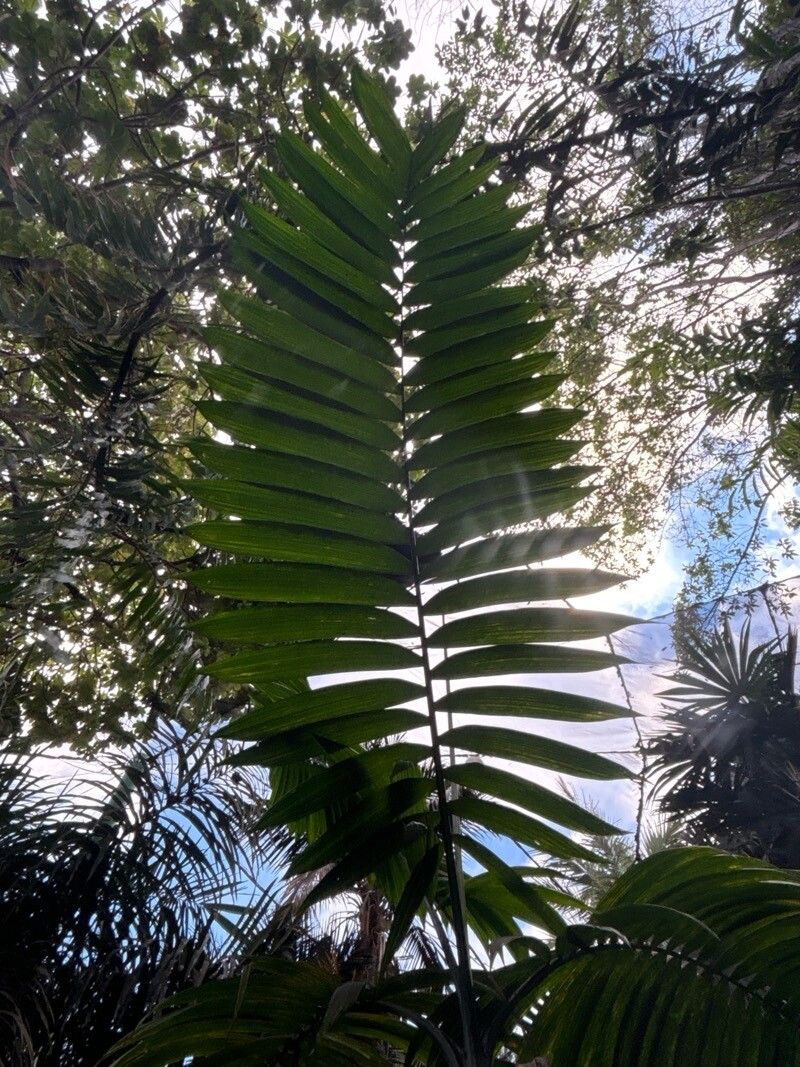
Oh, hello there, fellow plant enthusiast! Grab a mug of your favorite brew, let’s chat about Chamaedorea linearis, or as I affectionately call it, the Slender Parlor Palm. Isn’t she a gem? With those delicate, linear leaves that cascade so gracefully, she brings a touch of refined elegance to any indoor space. And the best part? Bringing more of these beauties into your life through propagation is a truly rewarding experience. Now, I won’t lie, Chamaedorea linearis can be a little more particular than some of its cousins, but with a dash of patience and these tips, you’ll be well on your way.
The Best Time to Start
For the highest success rate, I always reach for my propagation tools in the late spring or early summer. This is when the plant is naturally entering its most vigorous growth phase. Think of it as hitting the “grow” button – everything your plant needs to sprout new roots and leaves is readily available.
Supplies You’ll Need
To get your propagation station set up, here’s what I recommend having on hand:
- Sharp, clean pruning shears or a sharp knife: Essential for making clean cuts.
- Well-draining potting mix: A mix of perlite, peat moss, and a good quality potting soil works wonders. I often use a blend specifically for palms or a general-purpose mix with extra perlite added.
- Small pots or rooting containers: Clean ones are crucial to prevent disease.
- Rooting hormone (optional but helpful): A powder or gel to give your cuttings a little boost.
- A clear plastic bag or humidity dome: To create a humid microclimate for your cuttings.
- Watering can or spray bottle: For gentle watering.
Propagation Methods
While Chamaedorea linearis can be a tad shy with stem cuttings, the most reliable method for me is through division. This involves separating a mature plant into smaller divisions, each with its own root system.
Division: The Gentle Approach
- Gently unpot your mature Chamaedorea linearis. Try to loosen the soil around the root ball.
- Inspect the base of the plant. You’re looking for natural separation points where offshoots or smaller crowns have emerged from the main plant.
- Carefully tease apart the root ball. Use your fingers as much as possible. If necessary, you might need a clean, sharp knife to cut through thicker roots, ensuring each new division has a good portion of the root system attached. The goal is to minimize damage to the existing roots.
- Trim any damaged roots. This will encourage healthy new growth.
- Pot up your new divisions. Use your well-draining potting mix in separate, small pots. Don’t pack the soil too tightly.
- Water gently to settle the soil.
The “Secret Sauce” (Pro Tips)
Over the years, I’ve learned a few tricks that seem to make a real difference.
- Don’t be afraid to be a little ruthless with the roots during division. While you want to preserve as much as possible, sometimes dividing a healthy plant means severing a few roots. It’s better to have a healthy division with slightly fewer roots than a weak one struggling to survive.
- Provide consistent humidity. Chamaedorea linearis loves a humid environment. After potting up divisions, I like to place a clear plastic bag over the pot, creating a mini-greenhouse. Make sure to open it daily for a few minutes to allow for air circulation and prevent fungal issues.
- Bottom heat can be a game-changer. If you have a seedling heat mat, placing your pots on it can significantly speed up root development. It mimics the warmth of the tropical forest floor, which this palm adores.
Aftercare & Troubleshooting
Once your new divisions are potted, treat them with care, just like you would a delicate seedling. Water when the top inch of soil feels dry. Keep them out of direct sunlight while they establish – bright, indirect light is perfect.
The most common hitch you might encounter is root rot. This usually happens if the soil stays too wet. Signs include yellowing leaves that quickly turn mushy and brown, and a foul smell from the soil. If you suspect rot, carefully unpot the division, trim away any mushy, black roots, and repot in fresh, dry, well-draining soil.
Happy Propagating!
Growing new plants from your existing ones is such a joy. It’s a process that requires a little patience, a dash of observation, and a whole lot of love. Don’t get discouraged if your first attempt isn’t perfect. Each plant is a learning experience, and soon you’ll have a little grove of Chamaedorea linearis to brighten your home. Enjoy the journey!
Resource: