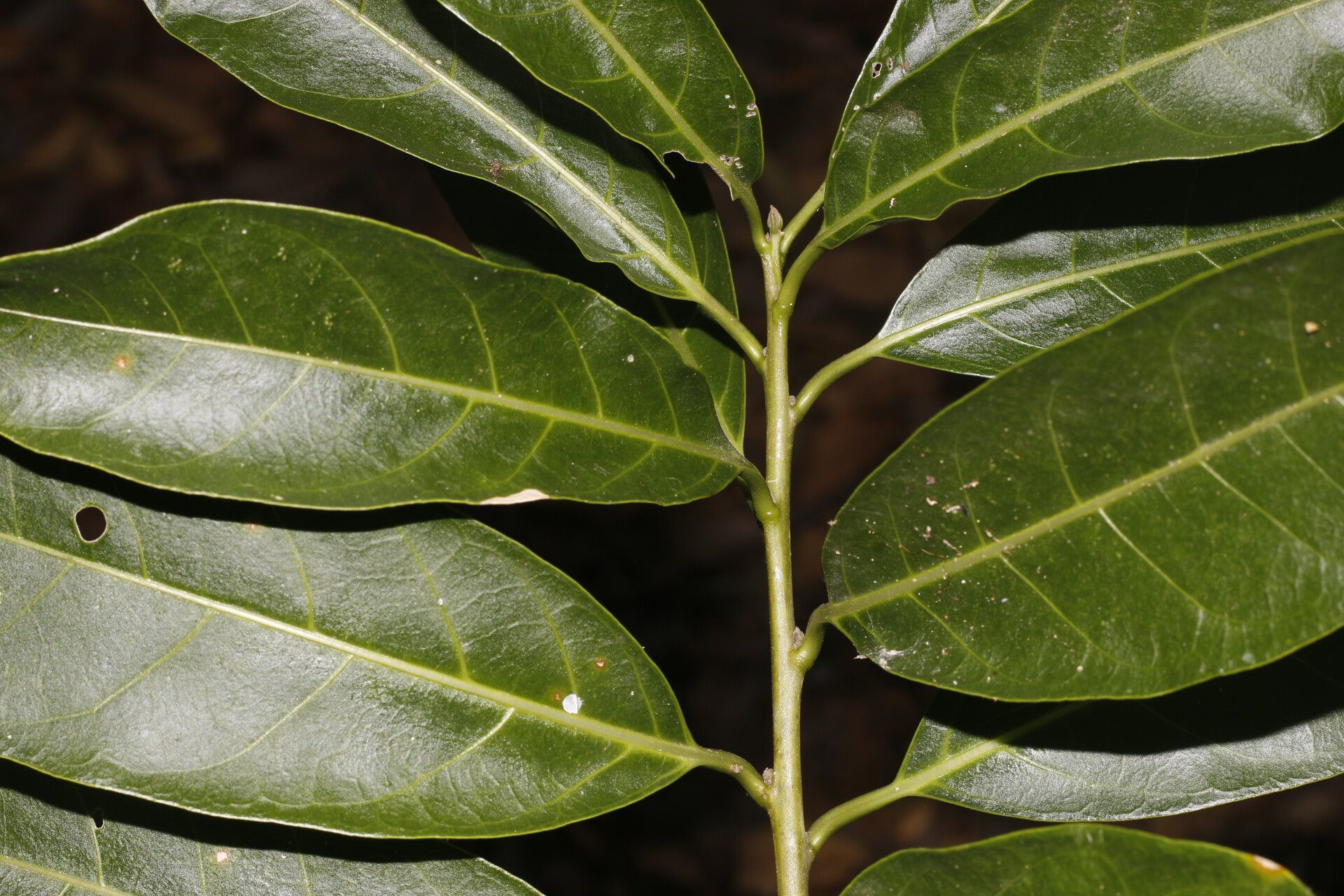
Oh, Cestrum glanduliferum! What a beauty. Its delicate, trumpet-shaped flowers and intoxicating fragrance are truly a gift to any garden. Cultivating more of these lovely plants from your existing one is such a rewarding experience. It feels like unlocking a little bit of magic, doesn’t it? For those new to the gardening world, I’d say propagating Cestrum glanduliferum falls into the moderately easy category. A little attention and a few key steps will see you well on your way.
The Best Time to Start
The sweet spot for propagating Cestrum glanduliferum is definitely during its active growth period. This typically means late spring through early summer. You want to work with stems that are lively and pushing out new growth, not the old, woody bits from last year. Think of it as borrowing a healthy cutting from a vibrant, energetic plant.
Supplies You’ll Need
Here’s what I always have on hand when I’m ready to get propagating:
- Sharp, clean pruning shears or a sharp knife: This is crucial for making clean cuts.
- Rooting hormone: I prefer a powdered one, but a gel works beautifully too.
- A well-draining potting mix: A good blend of peat moss, perlite, and a little bit of compost is usually my go-to. You can also find pre-made “seed starting” or “cutting” mixes.
- Small pots or seed trays: Make sure they have drainage holes.
- A plastic bag or propagation dome: This will help keep humidity high.
- Watering can or spray bottle: For gentle watering.
Propagation Methods
I find stem cuttings to be the most reliable method for Cestrum glanduliferum. Here’s how I do it:
- Select Your Cuttings: With your clean shears, take cuttings about 4-6 inches long from healthy, non-flowering stems. Look for stems that are semi-hardwood – they should be flexible but not completely soft and green.
- Prepare the Cuttings: Remove the lower leaves from the cutting. You want to expose a good portion of the stem that will go into the soil. If there are any flower buds, pinch those off too, as they take energy away from root development.
- Apply Rooting Hormone: Dip the cut end of the stem into the rooting hormone, coating about an inch or so. Tap off any excess.
- Plant Your Cuttings: Fill your small pots or trays with your prepared potting mix. Make a small hole with your finger or a pencil, and gently insert the treated end of the cutting. Firm the soil gently around it.
- Water Gently: Water the soil thoroughly until it’s moist but not soggy.
- Create a Humid Environment: Cover the pots with a plastic bag, being careful that the leaves don’t touch the plastic, or place them under a propagation dome. This traps moisture and creates the humid microclimate cuttings love.
The “Secret Sauce”
- Bottom Heat is Your Friend: For Cestrum, I’ve found that placing the pots on a heat mat can significantly speed up root formation. It mimics the warmth of the soil in summer and encourages those roots to get going.
- Don’t Drown Them: While humidity is key, overwatering is the enemy of cuttings. Make sure the soil stays consistently moist, but never waterlogged. I often give mine a light misting from a spray bottle rather than a heavy watering once they’re planted.
- Patience with the Hormone: Rooting hormone is a booster, not a magic wand. Give it time. I resist the urge to tug on the cuttings too often.
Aftercare & Troubleshooting
Once you start to see new leaf growth on your cuttings, that’s a fantastic sign! It means roots are forming. At this point, you can gradually acclimate them to lower humidity by opening the plastic bag or dome a little more each day. Once they look established, you can remove the covering entirely. You can then transplant them into slightly larger pots.
The most common issue you might encounter is rot. If your cutting starts to look mushy or black at the soil line, it’s a sign of too much moisture or poor drainage. Unfortunately, this is often hard to recover from. If you see this, it’s best to discard the affected cutting and perhaps re-evaluate your watering and soil mix for the remaining ones. Another sign of failure is just no growth after several weeks. This might mean the cutting wasn’t viable or conditions weren’t quite right, and it’s okay to try again!
A Little Bit of Patience Goes a Long Way
Propagating plants is a journey, and not every cutting will be a success story. But that’s part of the beauty of it. Each attempt is a learning experience, and soon enough, you’ll have a little garden full of your own Cestrum glanduliferum babies to share or to enjoy even more in your own space. So, get your hands dirty, enjoy the process, and celebrate each new root that emerges! Happy gardening!
Resource: