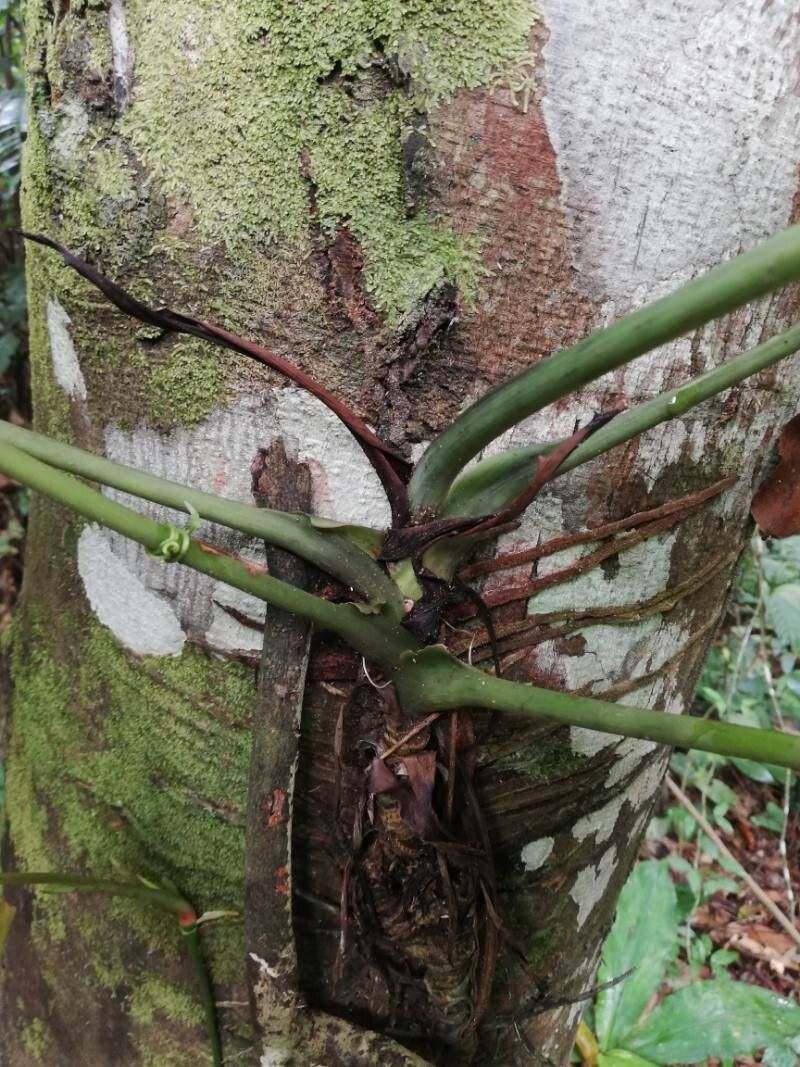
Welcoming a New Cercestis Kamerunianus into Your Life (and Garden!)
Oh, Cercestis kamerunianus! What a beauty. Its lush, deep green leaves, often with a velvety sheen and attractive venation, bring a touch of the exotic to any indoor space or shady garden corner. I’ve always been drawn to its robust nature and the way it seems to unfurl new foliage with such quiet confidence. Growing another one from an existing plant is a wonderfully rewarding experience, like sharing a secret with nature. Now, about its ease for beginners – I’d say it’s a moderately easy plant to propagate. It’s not as fussy as some of the more delicate tropicals, but it does appreciate a bit of care and the right conditions.
The Sweet Spot for Starting
For Cercestis kamerunianus, the best time to get your propagation projects underway is during its active growing season. This typically means late spring through summer. During these warmer months, the plant has more energy reserves and a stronger drive to produce new growth, which translates to a higher success rate for your cuttings. You’ll find it’s much easier to coax roots out of a new stem when the plant is already feeling vigorous.
Your Propagation Toolkit
Gathering your supplies is the first step to success. Here’s what I’ve found works best:
- Sharp Pruning Shears or a Clean Knife: For making clean cuts.
- Small Pots or Containers: About 4-6 inches in diameter are usually perfect.
- Well-Draining Potting Mix: A good blend is crucial. I like to use a mix of peat moss, perlite, and a bit of compost. You can also use a dedicated seed starting or propagation mix.
- Rooting Hormone (Optional but Recommended): A powder or gel can significantly speed up root development.
- Plastic Bags or a Clear Dome: To create a humid environment.
- Watering Can or Spray Bottle: For gentle watering.
Bringing New Life Forth: Propagation Methods
There are a couple of fantastic ways to get more Cercestis kamerunianus from your existing treasures.
Stem Cuttings: My Go-To Method
This is my personal favorite for Cercestis kamerunianus. It’s straightforward and usually yields great results.
- Select a healthy stem. Look for a mature stem that isn’t too woody but also isn’t brand new growth. You want something with at least two to three healthy leaves.
- Make the cut. Using your sharp shears or knife, take a cutting just below a leaf node. This is the point where a leaf attaches to the stem, and it’s where roots are most likely to form. Aim for a cutting that’s about 4-6 inches long.
- Prepare the cutting. Gently remove the lower leaves, leaving just the top one or two. If the remaining leaves are very large, you can even cut them in half horizontally to reduce water loss.
- Apply rooting hormone. Dip the cut end of the stem into your rooting hormone, tapping off any excess.
- Plant your cutting. Fill your small pot with your well-draining potting mix. Make a small hole in the center with your finger or a pencil, and insert the cut end of the stem. Gently firm the soil around the base of the cutting.
- Create humidity. Water the soil lightly. Then, cover the pot with a clear plastic bag or a clear dome to trap moisture. If using a bag, I like to prop it up with a few chopsticks so it doesn’t touch the leaves. Place the pot in a bright spot with indirect light.
Water Propagation: A Visual Treat
This method is fun because you can actually see the roots forming!
- Take your cuttings. Follow steps 1 and 2 from the stem cutting method.
- Place in water. Find a clean glass or jar and fill it with fresh water. Place your cuttings in the water, making sure that at least one leaf node is submerged. Crucially, ensure that no leaves are touching the water. They will rot if they sit in the water.
- Find a good spot. Place the jar in a bright location, but out of direct sunlight.
- Change the water regularly. Every few days, change the water to keep it fresh and prevent bacteria buildup.
The “Secret Sauce” for Extra Success
Here are a couple of tricks I’ve picked up over the years that often make a big difference:
- Bottom Heat is Your Friend: Especially in cooler months or drafty spots, placing your pots on a heat mat designed for plant propagation can significantly speed up root development. It mimics the warmth from the soil surface in a natural environment.
- Don’t Disturb Too Soon: Resist the urge to tug on your cuttings to “check” for roots. With stem cuttings, wait until you see clear signs of new growth at the top, or when the cutting feels firmly anchored in the soil. Patience is key!
Nurturing Your New Sprouts & What to Watch For
Once your cuttings have developed a good root system – meaning you see noticeable growth from the top for water propagation, or the cutting feels secure in the soil for potted cuttings – you can begin to transition them to their new life.
- For Potted Cuttings: Gently acclimate them by gradually opening the plastic bag or dome over a few days. Once they look happy with normal room humidity, you can remove it completely. Water when the top inch of soil feels dry.
- For Water Cuttings: Once your roots are at least an inch long, carefully plant them in pots with your well-draining soil mix, following the planting steps for stem cuttings.
Troubleshooting: The most common issue you might encounter is rot. This usually happens due to too much moisture and poor air circulation. If you see a cutting turning mushy or black, unfortunately, it’s likely past the point of no return. The best prevention is good drainage, not overwatering, and ensuring sufficient airflow. Another sign of trouble is wilting that doesn’t recover. This could be underwatering or a cutting that just didn’t take. Don’t be discouraged; it happens to all gardeners!
Go Forth and Propagate!
Seeing a tiny cutting transform into a robust new plant is one of the most satisfying aspects of gardening. It’s a beautiful cycle of growth and renewal. Enjoy the process, be patient with your little ones, and soon you’ll have an abundance of gorgeous Cercestis kamerunianus to share, replant, or simply admire. Happy propagating!
Resource: