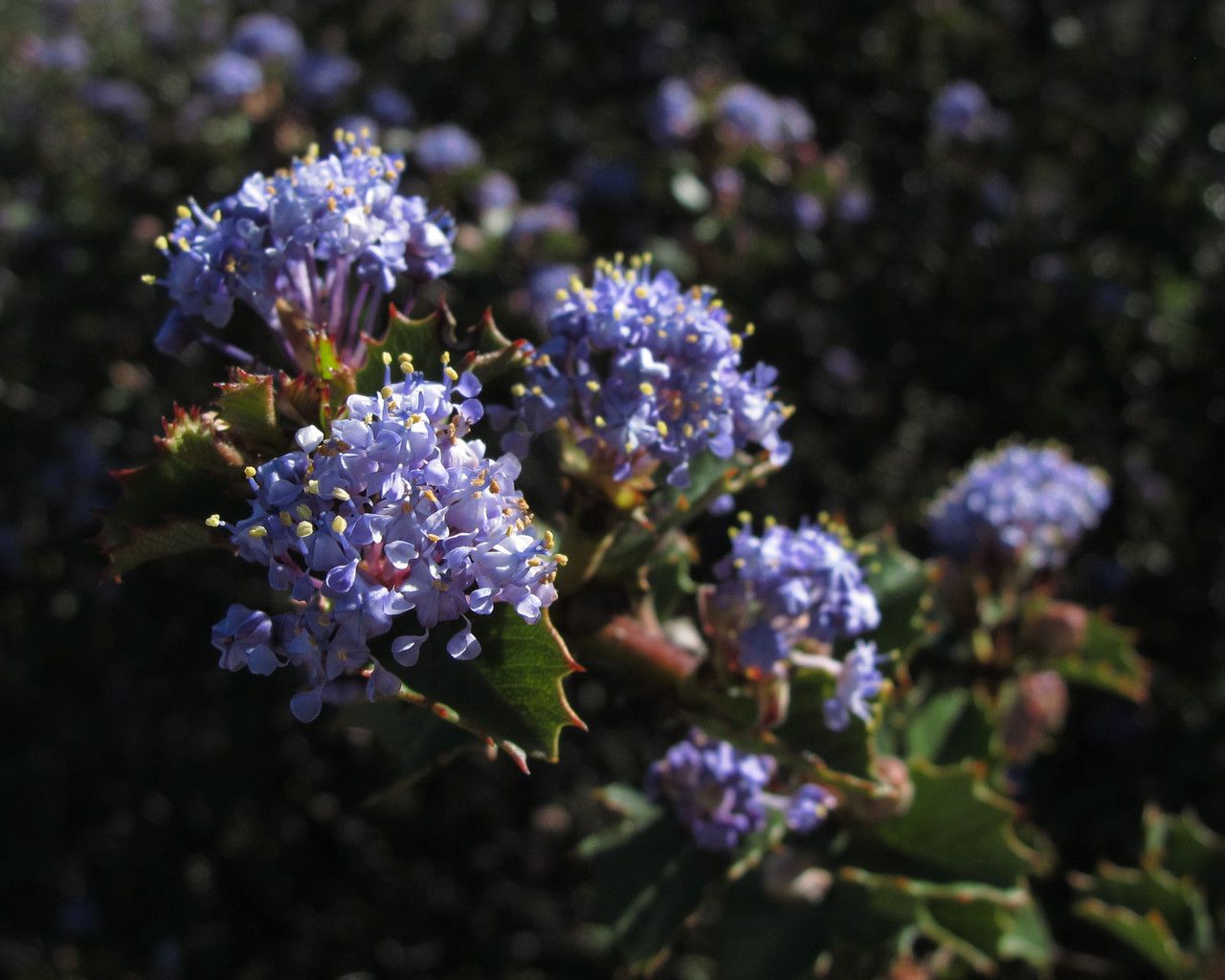
Oh, Ceanothus purpureus! If you’ve ever seen this California native gracing a garden, you’ll know exactly why I’m so smitten. Those stunning clusters of deep purple flowers, like miniature lilac blooms, are simply breathtaking. And the way they attract all manner of buzzing pollinators? Pure garden magic.
Propagating your own purple Ceanothus is a wonderfully rewarding endeavor. It’s a chance to share this beauty with friends, fill more of your own garden, or simply experience the thrill of coaxing new life from a parent plant. Now, is it a walk in the park for an absolute newbie? Honestly, it can be a little fussy, but with a bit of care and these tips, you’ll be well on your way to success.
The Best Time to Start
For Ceanothus purpureus, late spring to early summer is your sweet spot. This is when the plant is actively growing, and you can take cuttings from what are called semi-hardwood stems. These are stems that have started to mature and harden slightly after the initial flush of new growth, but they haven’t become woody and old. Think of them as the perfect balance – flexible enough to root but with enough structure to hold their own.
Supplies You’ll Need
Gathering your supplies before you start makes the whole process so much smoother. Here’s a little checklist for you:
- Sharp, clean pruning shears or a sharp knife: For making clean cuts. Sterilize them with rubbing alcohol between cuts!
- Rooting hormone (powder or gel): This isn’t strictly mandatory, but it gives your cuttings a significant boost.
- A rooting medium: I prefer a mix of coarse perlite and peat moss (50/50). It offers excellent drainage and aeration. Some folks like vermiculite too, but I find perlite gives me the best results for Ceanothus. You can also use a specialised seed-starting mix, but ensure it’s very well-draining.
- Small pots or trays: Clean ones are key! Small cell packs or 3-4 inch pots work perfectly.
- Plastic bags or a propagator: To create those vital humid conditions.
- Watering can with a fine rose or a spray bottle: For gentle watering.
- Optional: A heat mat: This can really speed up rooting, especially if your garden is on the cooler side.
Propagation Methods: Stem Cuttings
This is hands-down the most effective way to propagate Ceanothus purpureus for me.
- Take your cuttings: First, find those semi-hardwood stems. Look for growth that is firm but still has a little give. You want to take cuttings that are 4-6 inches long.
- Prepare the cuttings: Strip off the lower leaves, leaving just a few at the top. This prevents them from rotting in the soil. Make a clean cut just below a leaf node (where a leaf attaches to the stem). This is where the magic happens, where root hormones are concentrated.
- Apply rooting hormone: Dip the cut end of the stem into your rooting hormone, tapping off any excess.
- Plant the cuttings: Fill your pots or trays with your prepared rooting medium. Make a small hole with a pencil or your finger and insert the cutting, ensuring the node you cut below is buried. Gently firm the medium around the stem.
- Water gently: Water thoroughly but gently, making sure the medium is moist but not waterlogged.
- Create humidity: Place your pots inside a plastic bag or in a propagator. Make sure the leaves aren’t touching the plastic. If using a bag, secure it with a rubber band to create a mini-greenhouse.
The “Secret Sauce” (Pro Tips)
Here are a few things I’ve learned over the years that seem to make all the difference:
- Don’t let the leaves touch the water! I know I mentioned it, but it bears repeating. Any foliage submerged in the soil or sitting in pooled water is an invitation to rot. Keep it clean and dry.
- Bottom heat is your friend. If you can, place your cuttings on a heat mat set to a gentle 70-75°F (21-24°C). This warmth encourages root development from below, often before you see any top growth, and it’s a game-changer for trickier plants.
- Take more cuttings than you think you need. There’s always a bit of a gamble with propagation. Some will be successful, some won’t. Taking a generous amount of cuttings increases your chances of getting a good number of viable new plants.
Aftercare & Troubleshooting
Once your cuttings are planted, keep them in a bright, indirect light location. Avoid direct hot sun, which can scorch them and dry out the cuttings quickly.
Check the moisture regularly. The idea is to keep the rooting medium consistently moist, but never soggy. A good test is to gently poke your finger into the soil. If it feels dry to about an inch deep, it’s time to water.
You’ll know your cuttings have rooted when you see new leaf growth emerging or when you gently tug on a cutting and feel resistance. This usually takes anywhere from 4 to 8 weeks, sometimes longer.
The most common issue you’ll encounter is rot. If you see stems turning black and mushy, it’s a sign of too much moisture and poor air circulation. Sadly, these cuttings are usually unsalvable, but it’s all part of the learning curve! Just try to improve your watering and air flow for the next batch.
An Encouraging Closing
So there you have it! Propagating Ceanothus purpureus is a journey of patience and observation. Don’t get discouraged if your first attempt isn’t perfect. Each time you try, you’ll learn a little more, and soon you’ll be a pro at coaxing these beautiful purple beauties into existence. Happy growing, my friends!
Resource:
https://identify.plantnet.org/k-world-flora/species/Ceanothus%20purpureus%20Jeps./data