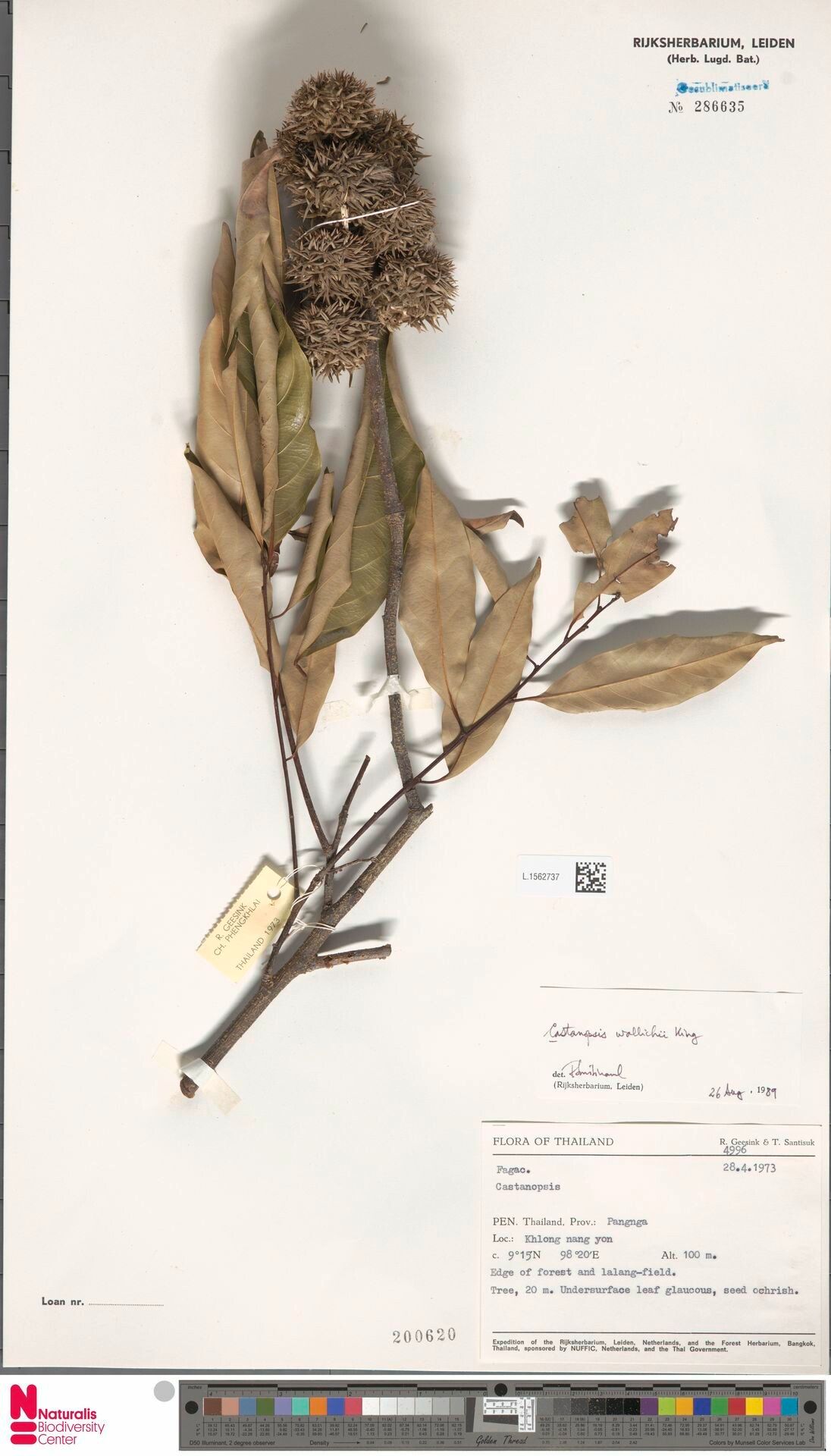
Oh, Castanopsis wallichii! Isn’t she a beauty? I’ve always admired the way her glossy leaves catch the light, and the promise of those glorious nuts they produce is just so exciting. Getting more of these lovely trees from one is incredibly satisfying. Now, I’ll be honest, propagating Castanopsis wallichii isn’t something I’d typically recommend for someone brand new to gardening. It can be a bit finicky, but with a little patience and the right approach, you absolutely can bring new life into being.
The Best Time to Start
Timing is everything when it comes to coaxing new plants into existence. For Castanopsis wallichii, the sweet spot is undoubtedly in late spring to early summer. This is when the plant is actively growing, brimming with energy, and has plenty of healthy, new shoots ready to be transformed. Waiting until after the main flush of new growth has matured just a little is key. You’re looking for stems that are no longer entirely soft and new but have a bit of firmness to them.
Supplies You’ll Need
Gathering your supplies before you start will make the whole process so much smoother. Here’s what I always have on hand:
- Sharp, sterilized pruning shears or secateurs. Cleanliness is crucial to prevent disease.
- A well-draining potting mix. I like a blend of equal parts peat moss (or coir for a more sustainable option), perlite, and a little bit of coarse sand.
- Rooting hormone. This isn’t strictly essential for some plants, but for trickier ones like this, it can give you a significant edge. Look for one with IBA (Indole-3-butyric acid).
- Small pots or propagators. Clean yogurt cups with drainage holes poked in the bottom work in a pinch!
- A clear plastic bag or a propagator lid. This helps create a humid environment, which is vital.
- Labels and a permanent marker. Trust me, you will forget what you planted where.
- A spray bottle filled with clean water.
Propagation Methods
While Castanopsis wallichii can be a tad stubborn, the most reliable method I’ve found is through stem cuttings.
Stem Cuttings:
- Select Your Cuttings: In late spring or early summer, choose healthy, vigorous shoots from a mature plant. Look for stems that are about the thickness of a pencil and at least 6-8 inches long. Gently bend a stem. If it snaps cleanly, it’s usually a good candidate.
- Make the Cut: Using your sterilized pruning shears, make a clean cut just below a leaf node (the point where a leaf attaches to the stem). This is where roots are most likely to form.
- Prepare the Cuttings: Gently strip off the lower leaves, leaving just two or three at the very top. This reduces water loss and prevents leaves from rotting in the soil. If the leaves are very large, I often trim them in half horizontally, which also helps.
- Apply Rooting Hormone: Dip the cut end of the stem into your rooting hormone powder, tapping off any excess.
- Pot Them Up: Fill your small pots with your prepared potting mix. Make a hole in the center with a pencil or your finger. Insert the cutting into the hole, ensuring the leafless portion of the stem is below the soil surface. Gently firm the soil around the base.
- Water and Cover: Water the cuttings gently but thoroughly. Then, loosely cover the pots with a clear plastic bag or place the lid on your propagator. This creates a mini-greenhouse effect, keeping humidity high.
The “Secret Sauce” (Pro Tips)
Here are a few little tricks I’ve learned over the years that can make all the difference:
- Bottom Heat is Your Friend: If you have a propagation mat or can place your pots on top of a gently warming appliance (like a fridge or router), do it! Warm soil encourages root development much faster than cool soil. Many rooting hormone products recommend specific temperatures.
- Don’t Let Leaves Touch the Water: If you’re doing any sort of water propagation (though I generally find soil cuttings more successful for Castanopsis), it’s paramount that the leaves never touch the water. This is a surefire way to invite rot. Only the stem should be submerged.
- A Little Airflow Goes a Long Way: While you want to maintain humidity, constant stagnant air can lead to fungal issues. Open the plastic bag or propagator lid for a few minutes each day to allow for some air exchange. It’s a balance between keeping it humid and preventing rot.
Aftercare & Troubleshooting
Once your cuttings are potted, keep them in a bright, indirect light location. Avoid direct sun, as it can scorch the tender new leaves. Keep the soil consistently moist but not waterlogged. You should see new growth starting to emerge within a few weeks to a couple of months.
The first sign of success is usually new leaf development at the top of the cutting. You can also gently tug on the cutting to feel for resistance, which indicates roots have formed.
Troubleshooting is part of the process! The most common problem is rot. If your cuttings turn black and mushy, or if you see mold growing on the soil or stems, it’s usually a sign of too much moisture and not enough airflow. Discard any rotting cuttings and try to improve ventilation. Yellowing leaves can sometimes indicate a lack of light or overwatering. Brown, crispy tips might mean it’s too dry.
A Encouraging Closing
Bringing new life forth from a beloved plant is one of the most rewarding aspects of gardening. Don’t be discouraged if your first attempts aren’t perfect. Each try is a learning experience. Be patient, observe your cuttings closely, and celebrate every little bit of progress. Happy propagating!
Resource: