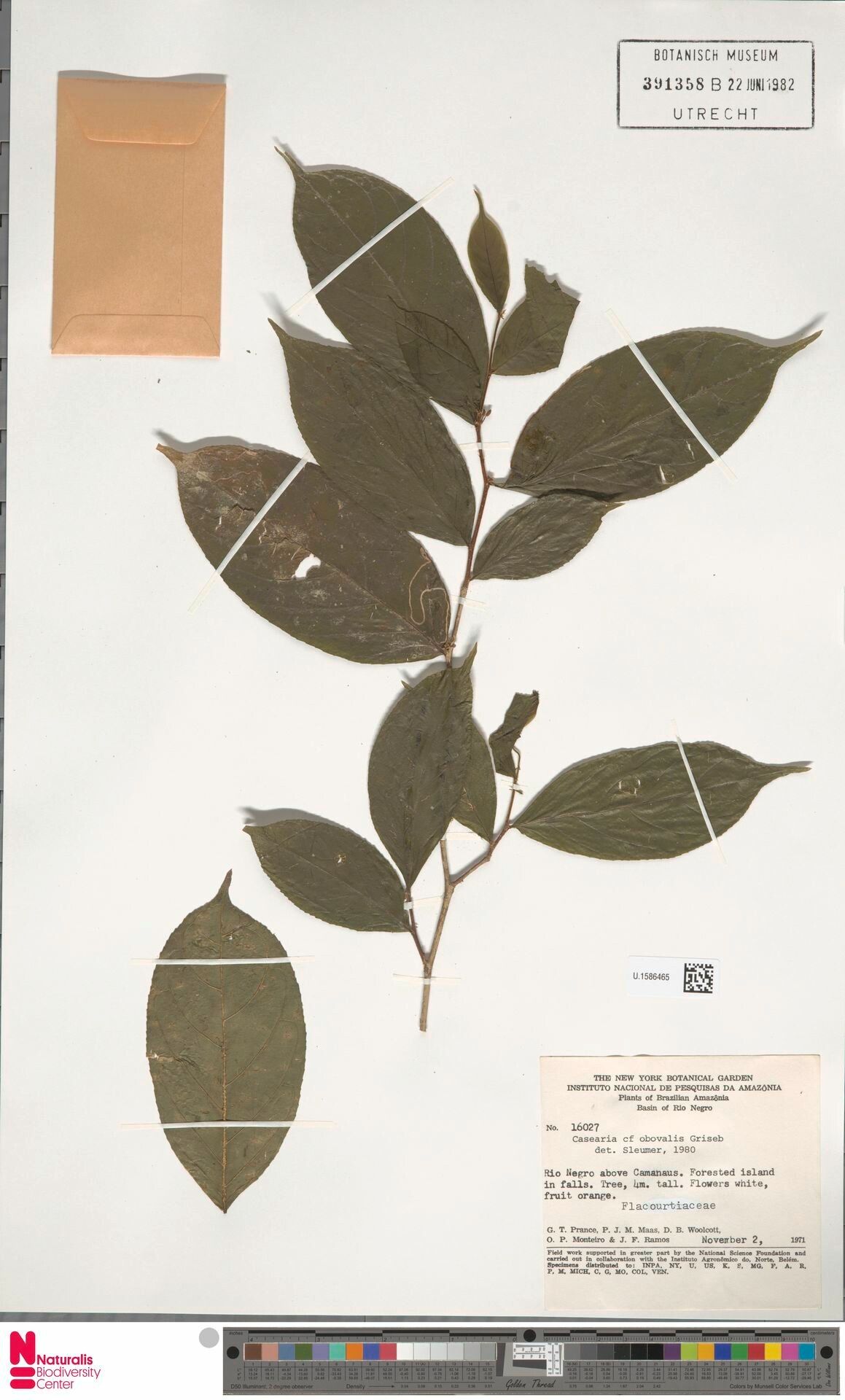
Hello, fellow garden enthusiasts! It’s so lovely to have you join me today. I’m thrilled to chat about a plant that holds a special place in my heart: Casearia obovalis. You might know it by its common name, Wild Coffee, and its delicate, glossy leaves and sweet-scented tiny flowers are just a delight. Watching a new plant spring to life from a tiny cutting or seed always feels like pure magic. If you’re looking to expand your collection of this lovely shrub, propagating it is incredibly rewarding. While not the absolute easiest plant for a complete novice, with a few guiding tips, you’ll find it quite manageable and very fulfilling.
The Best Time to Start
For the best success rate with Casearia obovalis, I always recommend starting in late spring to early summer. This is when the plant is actively growing, meaning it has plenty of energy to put into developing new roots. Look for stems that are not brand new and soft but also not old and woody. We’re aiming for what we call “semi-hardwood” cuttings – they should be slightly firm but still flexible.
Supplies You’ll Need
Before we get our hands dirty, let’s gather our tools. Having everything ready makes the process so much smoother.
- Sharp Pruning Shears or a Knife: Clean cuts are crucial!
- Rooting Hormone: This isn’t strictly mandatory for Casearia obovalis, but it can give your cuttings a real boost.
- Well-Draining Potting Mix: A blend of peat moss, perlite, and a bit of sand works wonderfully. You can also buy a good quality seed-starting mix.
- Small Pots or Seedling Trays: With drainage holes, of course.
- Clear Plastic Bags or a Propagator: To create a humid environment.
- Labels and a Pen: Don’t forget to label your cuttings!
Propagation Methods
While you can grow Casearia obovalis from seed, I find stem cuttings to be the most reliable and quickest method for home propagation.
- Taking the Cuttings: Using your clean pruning shears or knife, select a healthy stem from your mature plant. Cut a section about 4-6 inches long. Make your cut just below a leaf node (the point where a leaf grows from the stem).
- Preparing the Cuttings: Gently remove the leaves from the bottom half of the cutting. Leave just a few leaves at the top to help with photosynthesis. If your leaves are quite large, you can even cut them in half to reduce water loss.
- Applying Rooting Hormone (Optional): If you’re using rooting hormone, dip the cut end of the stem into the powder, tapping off any excess.
- Planting the Cuttings: Fill your small pots with your prepared potting mix and moisten it lightly. Make a small hole in the center of the soil with your finger or a pencil. Insert the prepared cutting into the hole, ensuring the leaf nodes are buried. Gently firm the soil around the stem.
- Creating Humidity: Water the soil gently until it’s moist but not waterlogged. Then, cover the pot with a clear plastic bag or place it inside a propagator. This traps moisture and creates a greenhouse effect. You can prop the bag up with a small stick or two to prevent it from touching the leaves.
The “Secret Sauce” (Pro Tips)
Here are a couple of things I’ve learned over the years that can really make a difference:
- Bottom Heat is Your Friend: If you can, place your propagating pots on a heated propagator mat. This gentle warmth from below encourages root development much faster than room temperature alone. It’s amazing the difference it makes!
- Don’t Overwater: It’s a common mistake. While humidity is key, soggy soil is a sure way to invite root rot. The soil should feel consistently moist, not waterlogged. Check the moisture by gently poking your finger into the soil.
Aftercare & Troubleshooting
Once your cuttings are planted and nestled into their humid little homes, the waiting game begins! Keep them in a bright spot but out of direct, hot sunlight, which can scorch those tender leaves. Check the moisture levels every few days and mist the inside of the plastic bag or propagator if it looks dry.
You’ll know your cuttings are taking hold when you see new leaf growth or feel a gentle resistance when you try to tug on the stem. This usually takes anywhere from 4-8 weeks. At this point, you can gradually start to acclimate them to less humid conditions by opening the plastic bag for increasingly longer periods each day.
The most common issue you might encounter is rot. If you see signs of wilting that doesn’t improve, or the stem turns black and mushy, it’s likely rot. This is usually a sign of overwatering. Unfortunately, at that point, the cutting is unlikely to be saved. Prevention is key here!
A Encouraging Closing
Propagating plants is a journey, and Casearia obovalis is a delightful one to embark on. Be patient with yourself and your new little plant friends. Every successful propagation is a small victory, and soon you’ll have a beautiful abundance of Wild Coffee to enjoy, share, or simply admire. Happy growing!
Resource:
https://identify.plantnet.org/k-world-flora/species/Casearia%20obovalis%20Poepp.%20ex%20Griseb./data