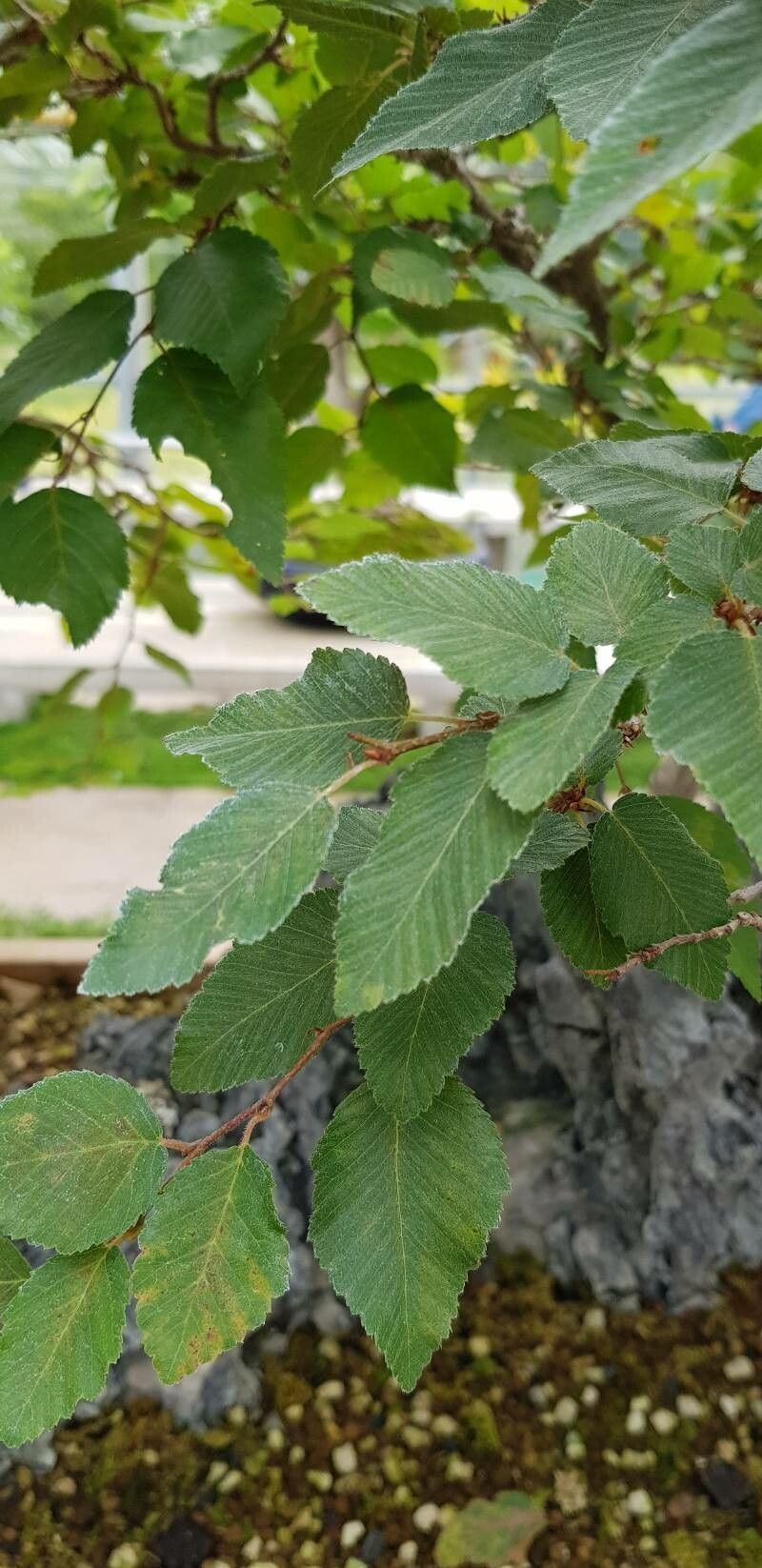
Oh, hello there, fellow plant enthusiast! Grab yourself a cup of something warm, because today we’re diving into the wonderful world of propagating Carpinus turczaninovii, or the Korean Hornbeam.
The Charm of the Korean Hornbeam
I just adore these trees. Their graceful form, with delicate, toothed leaves and that lovely patterned bark, makes them a stunning addition to any garden, especially as a beautiful specimen tree or a magnificent bonsai subject. The real joy, though? Growing these beauties from cuttings or seeds yourself. There’s a special kind of satisfaction in nurturing a tiny sprout into a plant you’ll cherish for years. Now, I’ll be honest, Carpinus turczaninovii isn’t always the most straightforward plant to propagate for absolute beginners, but with a little patience and a few key tricks, you absolutely can succeed. Think of it as a rewarding challenge!
When to Get Your Hands Dirty
The absolute best time to start propagating Carpinus turczaninovii from stem cuttings is in late spring to early summer, when the plant is actively growing. You’re looking for stems that are semi-hardwood – they’ve lost their initial floppy greenness but haven’t completely hardened off. Another great option is taking dormant cuttings in late winter or early spring before the buds start to swell. We’ll touch on why these times work so well when we get to the methods. And if you’re thinking about seeds, the best time to collect them is in the fall, after they’ve dried on the tree.
What You’ll Need to Get Started
Before we dive in, let’s gather our tools. Having everything ready makes the process so much smoother.
- Sharp Pruning Shears or a Knife: Cleanliness is crucial to prevent disease.
- Rooting Hormone: This is especially helpful for woody cuttings. I prefer a powder or gel.
- Well-Draining Potting Mix: A 50/50 blend of perlite and peat moss or coco coir works beautifully. You can also use a coarse sand/peat mix.
- Small Pots or Trays: Clean containers with drainage holes are essential.
- Plastic Bags or a Propagation Dome: To create a humid environment.
- Water: For misting and potentially for water propagation.
- Labels and a Pen: Don’t underestimate the joy of knowing what you planted a year from now!
- A Sunny Spot (or Grow Lights): For aftercare.
- Bottom Heat (Optional but Recommended): A heat mat can significantly speed up root development.
Let’s Get Propagating!
There are a couple of reliable ways to get new Korean Hornbeams going.
Method 1: Semi-Hardwood Stem Cuttings (My Favorite for This Tree)
This is where you get to work during the growing season.
- Select Your Cuttings: In late spring or early summer, look for stems that are new growth but have started to firm up. They should be flexible but not bendy. Aim for cuttings that are about 4-6 inches long.
- Make the Cut: Using your sharp, clean shears, make a cut just below a leaf node. A leaf node is where a leaf attaches to the stem; roots often form most readily from these areas.
- Prepare the Cutting: Gently remove the leaves from the lower two-thirds of the stem. If there are any leaves at the top, I like to cut them in half to reduce water loss without sacrificing too much photosynthetic surface.
- Apply Rooting Hormone: Dip the cut end of the stem into your rooting hormone, ensuring it’s well-coated. Tap off any excess.
- Plant Your Cuttings: Fill your clean pots with your well-draining potting mix. Make a hole with a pencil or dowel so you don’t rub off all that precious rooting hormone. Insert the cutting into the hole, pressing the soil gently around it.
- Water and Cover: Water the cuttings thoroughly. Then, cover the pots with a plastic bag or place them under a propagation dome. Make sure the leaves do not touch the plastic. This creates a mini-greenhouse.
- Provide Light and Warmth: Place the pots in a bright, indirect light location. If you have a heat mat, this is the time to use it! Aim for soil temperatures around 70-75°F (21-24°C).
Method 2: Dormant Hardwood Cuttings (Winter Project!)
This method is great for a winter project.
- Timing is Key: In late winter, while the tree is completely dormant, select healthy, one-year-old wood. These stems will feel woody and firm.
- Take Your Cuttings: Cut stems into lengths of 6-8 inches, again making sure to cut just below a bud.
- Prepare and Pot: You don’t usually need rooting hormone for dormant cuttings, but it can’t hurt. Pot these cuttings in a similar well-draining mix as the semi-hardwood cuttings. About two-thirds of the cutting should be buried in the soil, with at least one bud showing above the surface.
- Water and Wait: Water them in and place them in a cool, protected spot. They won’t need as much humidity as the green cuttings, but keep the soil consistently moist. They’ll root slowly over the spring.
Method 3: Seed Propagation (For the Patient Gardener)
If you’re up for a longer game, growing from seed is an option.
- Collect and Stratify: Harvest seeds in the fall. Korean Hornbeam seeds need a period of cold, moist stratification to break dormancy. Mix them with slightly damp peat moss or sand in a sealed plastic bag and store them in your refrigerator for 3-4 months.
- Sow Your Seeds: After stratification, sow the seeds in pots filled with a light, well-draining seed-starting mix. Cover them lightly with soil.
- Provide Ideal Conditions: Keep the soil consistently moist and at a moderate temperature. Germination can be erratic and may take several months. Be patient!
The “Secret Sauce” – My Insider Tips
Here are a few things I’ve learned over the years that can really make a difference:
- Don’t Let Those Leaves Drip! When you’re covering your green cuttings, it’s vital that the leaves never touch the inside of the plastic bag. If they do, moisture will collect there, and before you know it, you’ll have fungal rot. I often use little stakes or chopsticks to keep the plastic tented up.
- Bottom Heat is Your Best Friend: For stem cuttings, a propagation mat is a game-changer. It provides consistent, gentle warmth to the soil, encouraging root development much faster and improving your success rate significantly. It mimics what happens naturally when roots explore warmer soil.
- Air Circulation is Key, Even When Covered: While we want humidity, stagnant air can lead to fungal problems. Even with a dome or bag, open it up for a few minutes each day to allow for air exchange. This helps prevent damping-off disease.
Aftercare and What to Watch For
Once you see those precious new roots forming – often indicated by new leaf growth – it’s time to transition your babies.
- Acclimatization: Gradually start to expose your rooted cuttings to open air. Remove the plastic for longer periods each day over a week or two.
- First Repotting: Once the roots have filled the pot and you can gently tug on the cutting without it pulling out easily, it’s time to transplant them into individual pots. Use a good quality, well-draining potting mix.
- Watering: Keep them consistently moist but not waterlogged. This is a common mistake – too much water can lead to root rot, especially in new, tender roots.
- Light: Continue to provide bright, indirect light. Avoid harsh, direct sun for the first few months as they establish.
Troubleshooting: The biggest issue you’ll likely encounter is rot. If your cuttings turn black and mushy, it’s usually a sign of too much moisture and poor air circulation. Sometimes, if you catch it early, you can trim away the rotted bits and try again. If your cuttings simply shrivel and die without rooting, it could be they didn’t get enough moisture, or the rooting hormone wasn’t effective, or they simply weren’t at the right stage of growth. Don’t get discouraged!
Keep On Growing!
Propagating Korean Hornbeams is a journey, and like any good garden project, it comes with its own learning curve. Be patient, observe your plants closely, and don’t be afraid to experiment. Every cutting you try is a lesson learned. Enjoy the process, and soon you’ll have a whole new generation of these exquisite trees to admire. Happy gardening!
Resource:
https://identify.plantnet.org/k-world-flora/species/Carpinus%20turczaninovii%20Hance/data