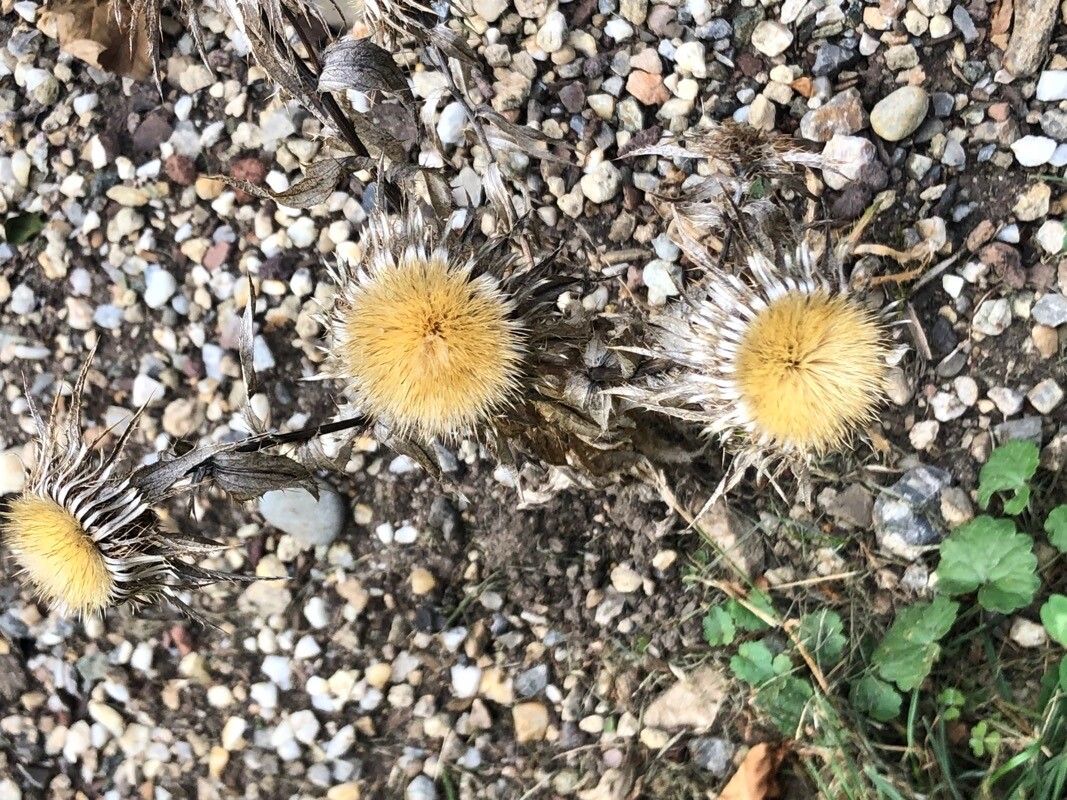
Ah, Carlina biebersteinii! If you haven’t met this beauty yet, you’re in for a treat. Often gracing drier meadows with its architectural spikes and thistle-like charm, it’s a plant that truly shines in the right spot. Its silvery foliage and striking flower heads bring a touch of wild elegance to any garden. And propagating it? Well, that’s where the real fun begins, and I’m thrilled to share how I bring more of these magnificent plants into my own garden.
The Best Time to Start
For Carlina biebersteinii, I find that early spring, just as new growth is starting to emerge, is your golden ticket. The plant is waking up from its winter slumber, full of vigor and ready to channel that energy into creating new life. Waiting until the plant is actively growing, rather than trying to do this from dormant material, makes a world of difference in success rates.
Supplies You’ll Need
Gathering your tools beforehand makes the whole process smoother. Here’s what I always have on hand:
- Well-draining potting mix: A good quality mix with plenty of perlite or grit is essential. I often use a blend specifically for succulents or cacti.
- Sterile containers: Small pots or seed trays work perfectly. Ensure they have drainage holes!
- Sharp pruning shears or a clean knife: For making clean cuts.
- Rooting hormone (optional but helpful): Especially for trickier cuttings.
- Watering can or spray bottle: For gentle hydration.
- Labels: To keep track of your successful propagations!
Propagation Methods
Carlina biebersteinii is most reliably propagated through division, and it’s a method that usually yields excellent results.
Division: My Go-To Method
This is my preferred way to multiply Carlina biebersteinii. It’s less about creating entirely new plants from scratch and more about gently splitting up an established clump.
- Digging Up: In early spring, carefully dig around the base of your mature Carlina biebersteinii. You want to loosen the soil and get under the root ball without causing too much disturbance.
- Separating: Once the plant is out of the ground, gently shake off excess soil. You’ll see that established plants often have multiple crowns or root structures.
- The Split: Using your hands or a clean, sharp spade (if the clump is really dense), carefully pull or cut the root ball apart. Aim for divisions that have a good set of roots and at least one healthy shoot or growing point.
- Replanting: Immediately replant your new divisions into pots filled with your well-draining mix, or directly into a prepared spot in your garden. Water them in gently.
The “Secret Sauce” (Pro Tips)
Over the years, I’ve picked up a few tricks that seem to give my Carlina biebersteinii propagations an extra boost.
- Don’t Over-Saturate: This is crucial. Carlina biebersteinii absolutely hates wet feet. Even after division, I let the soil surface dry out a bit between waterings. Think “thirsty, not drowning.”
- Embrace the Sun (Gradually): Once your new divisions are planted and happy, they’ll appreciate some sun. However, try to give them a little protection from the most intense, direct midday sun for the first week or two while they settle in. This prevents undue stress.
- Good Airflow is Key: When working with cuttings or divisions you are potting up, ensuring good air circulation around them helps prevent fungal issues. Don’t crowd your pots too much.
Aftercare & Troubleshooting
Once your new Carlina biebersteinii divisions have established themselves – you’ll notice new growth appearing – you can treat them much like a mature plant. They’ll want that well-draining soil and plenty of sun.
The most common issue you might encounter is rot. If your cuttings or divisions look mushy, discolored, or just generally unhealthy, it’s almost always a sign of too much moisture. If you catch it early, you might be able to salvage a healthy piece by cutting away the rotten bits and replanting in fresh, dry mix.
A Encouraging Closing
Propagating plants is such a rewarding journey. It’s about patience, observation, and a little bit of hopeful nurturing. Don’t be discouraged if every single attempt doesn’t result in a new plant. Each garden experiment teaches you something new. So, grab your tools, embrace the process, and enjoy the satisfaction of watching these lovely Carlina biebersteinii multiply under your care. Happy gardening!
Resource: