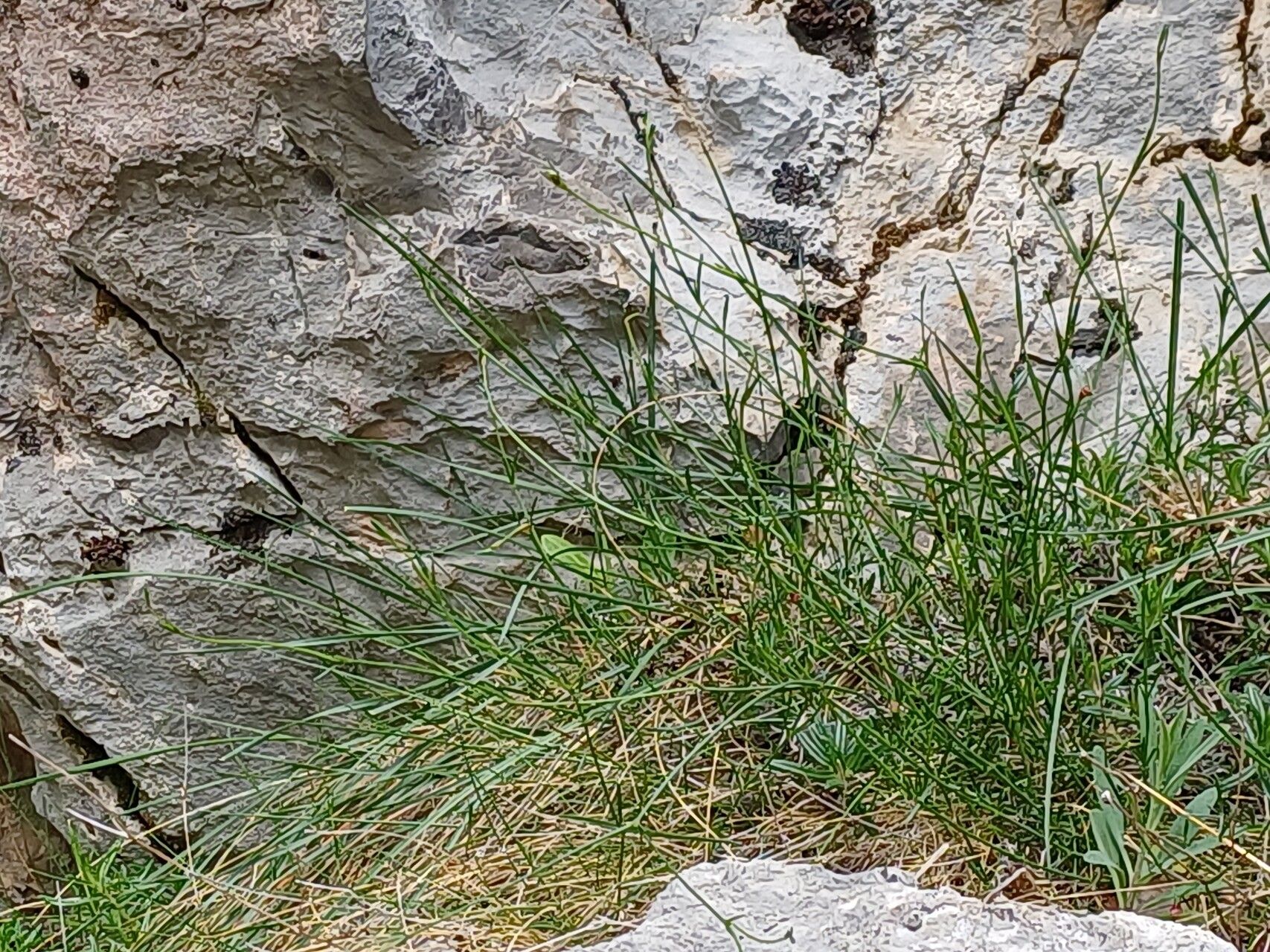
Hello there, fellow garden enthusiasts! Today, we’re going to talk about a little gem that brings such delightful texture and movement to any garden space: Carex austroalpina. Its fine, arching foliage, often with lovely bronze tones in the fall, makes it a real standout, especially for those seeking a more natural, meadow-like feel. And the best part? Sharing this beauty with others, or simply expanding your own collection, is incredibly rewarding. Now, for those of you just dipping your toes into the world of plant propagation, I’ll be honest, Carex austroalpina isn’t the absolute easiest plant to start with for a complete beginner, but with a little patience and these tips, you can absolutely nail it.
The Best Time to Start
For the highest chance of success with Carex austroalpina, I find the late spring to early summer is your sweet spot. This is when the plant is actively growing and has plenty of energy to put into developing new roots. Think of it as the plant’s enthusiastic prime – perfect for taking cuttings or when it’s most robust for division.
Supplies You’ll Need
To get started, gather these handy tools:
- Good quality potting mix: A blend of peat moss or coco coir, perlite, and a touch of compost works wonderfully. I like to make my own mix to ensure good drainage.
- Small pots or trays: Clean containers with drainage holes are a must.
- Sharp pruning shears or a clean knife: For making clean cuts.
- Rooting hormone (optional but recommended for cuttings): This gives your cuttings a little boost.
- Watering can with a fine rose: For gentle watering.
- Labels and a permanent marker: To keep track of what you’ve propagated and when.
- Plastic bags or a propagation dome: To create a humid environment for cuttings.
Propagation Methods
There are a couple of great ways to get more Carex austroalpina.
Division (My Go-To for Sedges)
This is often the easiest and most rewarding method for sedges like Carex austroalpina.
- Dig it up: In late spring or early summer, carefully dig up your Carex austroalpina clump. Gently loosen the soil around the root ball.
- Gently separate: You can often do this with your hands, teasing apart the root system. If the clump is very dense, use your clean pruning shears or a sharp knife to cut through the root ball. Aim to create sections that have both roots and shoots.
- Replant: Immediately replant your divisions in prepared pots or directly into their new garden locations. Water them well to help them settle in.
Stem Cuttings (A Little More Involved)
If you want to try from cuttings, here’s how I approach it:
- Take cuttings: In late spring or early summer, select healthy, non-flowering stems. Using your sharp shears, cut a piece about 4-6 inches long, just below a leaf node. Remove any lower leaves, leaving just a few at the top.
- Apply rooting hormone: If you’re using it, dip the cut end of the stem into rooting hormone, tapping off any excess.
- Plant your cuttings: Fill small pots with your carefully prepared potting mix. Make a small hole for each cutting and insert it, firming the soil gently around it.
- Create humidity: Water the soil thoroughly but gently. Then, cover the pots with a clear plastic bag (propped up so it doesn’t touch the leaves) or place them under a propagation dome. This helps keep the moisture in.
- Find a warm spot: Place the pots in a bright location, but avoid direct sunlight. Gentle warmth from a sunny windowsill or a heat mat can really speed things up.
The “Secret Sauce” (Pro Tips)
Here are a few little tricks I’ve learned over the years:
- Don’t overcrowd your cuttings: Give each cutting a bit of space. This helps prevent the spread of any potential fungal issues and ensures each one gets enough light and air circulation.
- Bottom heat is your friend: For cuttings, a gentle warmth from below can make a huge difference. A heat mat designed for seedlings will significantly encourage root development.
- Patience with division: While division is usually quick, sometimes the divided plants can look a bit sad for a few days. Don’t be tempted to overwater them; just keep the soil consistently moist. They’ll bounce back!
Aftercare & Troubleshooting
Once your divisions are replanted or your cuttings have started to show signs of rooting (you might see tiny new leaves or feel a gentle tug when you lightly pull on a cutting), it’s time for a bit of continued care.
Keep new divisions and rooted cuttings consistently moist, but not waterlogged. As they grow stronger, you can gradually acclimate them to drier conditions, just like your mature plants. If you’re growing cuttings, start by ventilating the plastic bag or dome for a little longer each day before removing it entirely.
The most common issue you’ll encounter is rot, especially with cuttings. This usually happens from too much moisture and poor air circulation. If a cutting looks mushy and brown, it’s best to discard it to prevent it from affecting others. For divisions, consistently soggy soil can also lead to root rot, so ensuring good drainage is key.
A Encouraging Closing
Remember, every gardener has their quiet moments of doubt, but the joy that comes from nurturing a new plant from a piece of an old one is truly special. Be patient with your Carex austroalpina, give it the right conditions, and enjoy the process of watching it grow. Happy propagating!
Resource:
https://identify.plantnet.org/k-world-flora/species/Carex%20austroalpina%20Bech./data