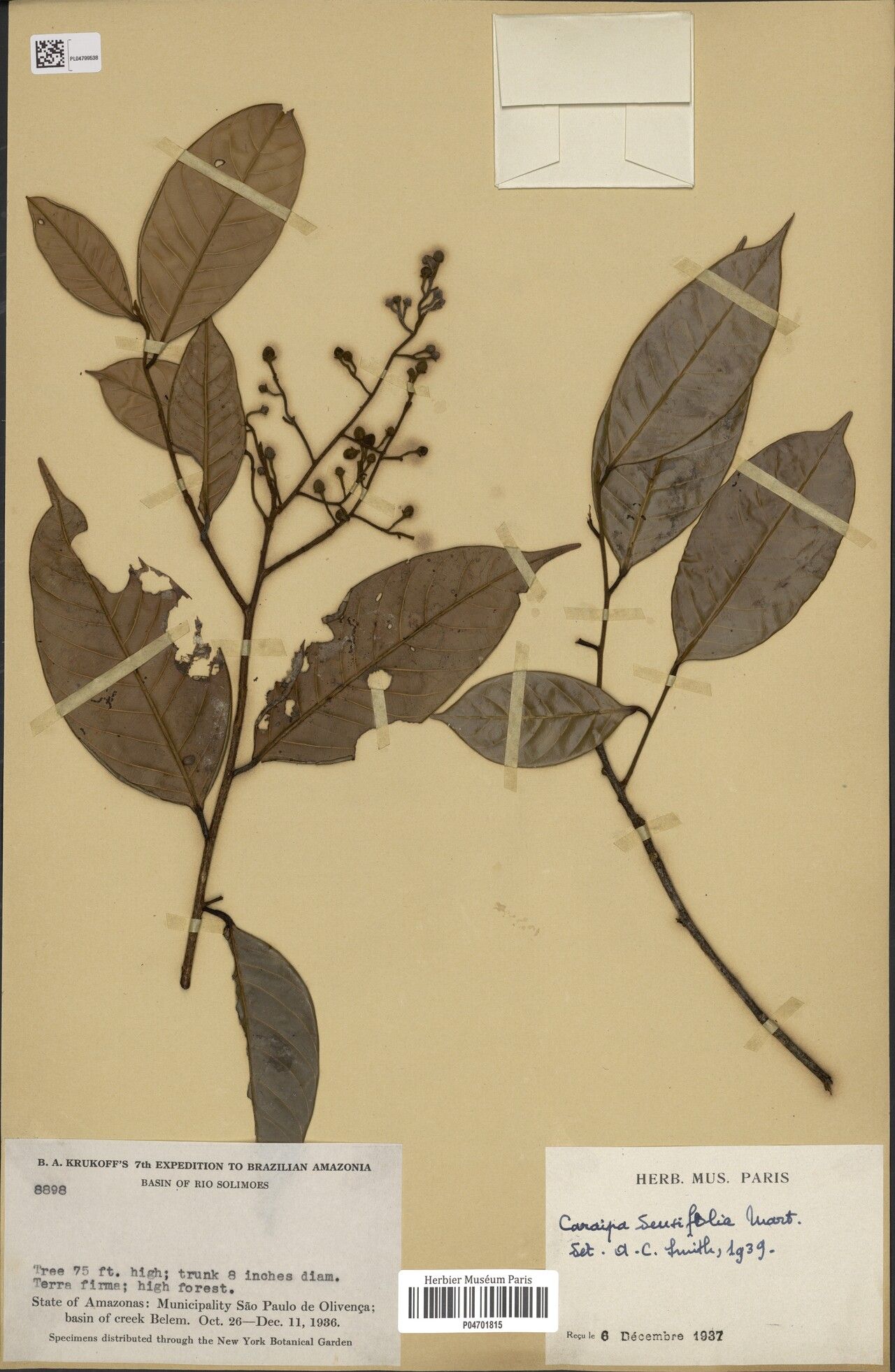
Well hello there, fellow plant lovers! I’m so glad you’ve stopped by. Today, we’re diving into the wonderful world of propagating Caraipa valioi. If you’re charmed by its glossy, dark green leaves and the promise of unique beauty it brings to a space, you’re in for a real treat. Growing a new plant from just a piece of an old one is one of the most satisfying journeys a gardener can take. Now, Caraipa valioi isn’t the absolute easiest plant for a complete beginner to propagate, but with a little patience and following these steps, I’m confident you’ll achieve wonderful results.
The Best Time to Start
For Caraipa valioi, I’ve found that the late spring or early summer is your sweet spot. This is when the plant is actively growing, brimming with energy to put into developing new roots. You want to take cuttings from stems that are semi-hardwood, meaning they’re not brand new and green, but not woody and old either. They should feel firm but still have a bit of flexibility. Think of it as the plant hitting its stride for the season.
Supplies You’ll Need
Before we get our hands dirty, let’s gather our tools:
- Sharp Pruning Shears or a Craft Knife: Cleanliness is key here, so make sure they’re disinfected with rubbing alcohol.
- Rooting Hormone: A powder or gel specifically for stem cuttings will give your new babies a head start.
- Well-Draining Potting Mix: I like a blend of 50% perlite and 50% peat moss or coco coir. This ensures great aeration and prevents waterlogging, which is crucial.
- Small Pots or Seedling Trays: Clean ones, of course!
- Plastic Bag or Humidity Dome: To create a mini greenhouse effect.
- Watering Can with a Fine Rose: For gentle watering.
- Small Labels and a Pen: To keep track of your precious new plants and when you took the cuttings.
Propagation Methods: Stem Cuttings
This is generally the most effective way to propagate Caraipa valioi. Let’s get started:
- Select Your Stem: Choose a healthy stem that’s about 4-6 inches long. Look for one with plenty of healthy leaves and no flowers.
- Make the Cut: Using your sterilized pruning shears or knife, make a clean cut just below a leaf node (where a leaf attaches to the stem). A node is where the magic happens for root formation.
- Prepare the Cutting: Gently remove the lower leaves from the cutting, leaving just a few at the very top. This prevents them from rotting when buried. If the remaining leaves are quite large, you can even cut them in half horizontally. This reduces water loss.
- Dip in Rooting Hormone: Lightly moisten the cut end of the stem, then dip it into the rooting hormone. Tap off any excess. This step is optional but highly recommended for Caraipa valioi.
- Plant the Cutting: Fill your clean pots with the well-draining potting mix. Make a small hole in the center with your finger or a pencil. Carefully insert the end of the cutting into the hole, ensuring the rooting hormone isn’t scraped off. Gently firm the soil around the stem.
- Water Gently: Water thoroughly but gently until the soil is evenly moist.
- Create a Humid Environment: Place a clear plastic bag over the pot, making sure it doesn’t touch the leaves, or use a humidity dome. This will trap moisture and create the high humidity Caraipa valioi cuttings need to thrive.
- Find a Bright Spot: Place your pots in a location that receives bright, indirect light. Avoid direct sunlight, which can scorch the delicate cuttings.
The “Secret Sauce” (Pro Tips)
Here are a few things I’ve learned over the years that can really boost your chances:
- Bottom Heat is Your Friend: If you have a seedling heat mat, place your pots on it. This provides gentle warmth to the soil, encouraging faster root development from below. It’s like giving your cuttings a warm bath!
- Don’t Drench, Just Dampen: While humidity is crucial, it’s easy to overwater. The soil should feel consistently moist but not soggy. If you can pick up water easily on your finger when you touch the soil, it’s probably too wet.
- Patience is a Virtue (and a Necessity): Caraipa valioi can be a bit slow to root. Don’t be tempted to pull cuttings out to check for roots too early! Weeks, sometimes even a couple of months, can pass before you see significant root development.
Aftercare & Troubleshooting
Once you start seeing new leaf growth on your cuttings, that’s a great sign! It means roots are forming underneath. To help them establish, you can gradually increase ventilation by poking a few holes in the plastic bag or lifting the humidity dome for short periods. Once you’re confident roots have formed (you might see them peeking out of drainage holes), you can slowly transition them to more air by removing the bag or dome completely. Water as you would an established plant, letting the top inch of soil dry out between waterings.
The biggest enemy you’ll face is rot. If a cutting turns black and mushy, it’s likely a sign of too much moisture and poor air circulation. Unfortunately, these are usually lost causes, but don’t let it discourage you! Just clean up the pot and try again. Another sign of issues is if the leaves start to yellow and drop significantly even before you see new growth. This could indicate insufficient light or still too much moisture.
A Encouraging Closing
Propagating plants is a dance with nature, a beautifully slow process that rewards patience. Enjoy watching these tiny snippets of life take hold and grow. Don’t be disheartened if your first few attempts aren’t perfect. Every cutting you take is a learning experience. Happy propagating, and may your Caraipa valioi cuttings flourish!
Resource:
https://identify.plantnet.org/k-world-flora/species/Caraipa%20valioi%20Paula/data