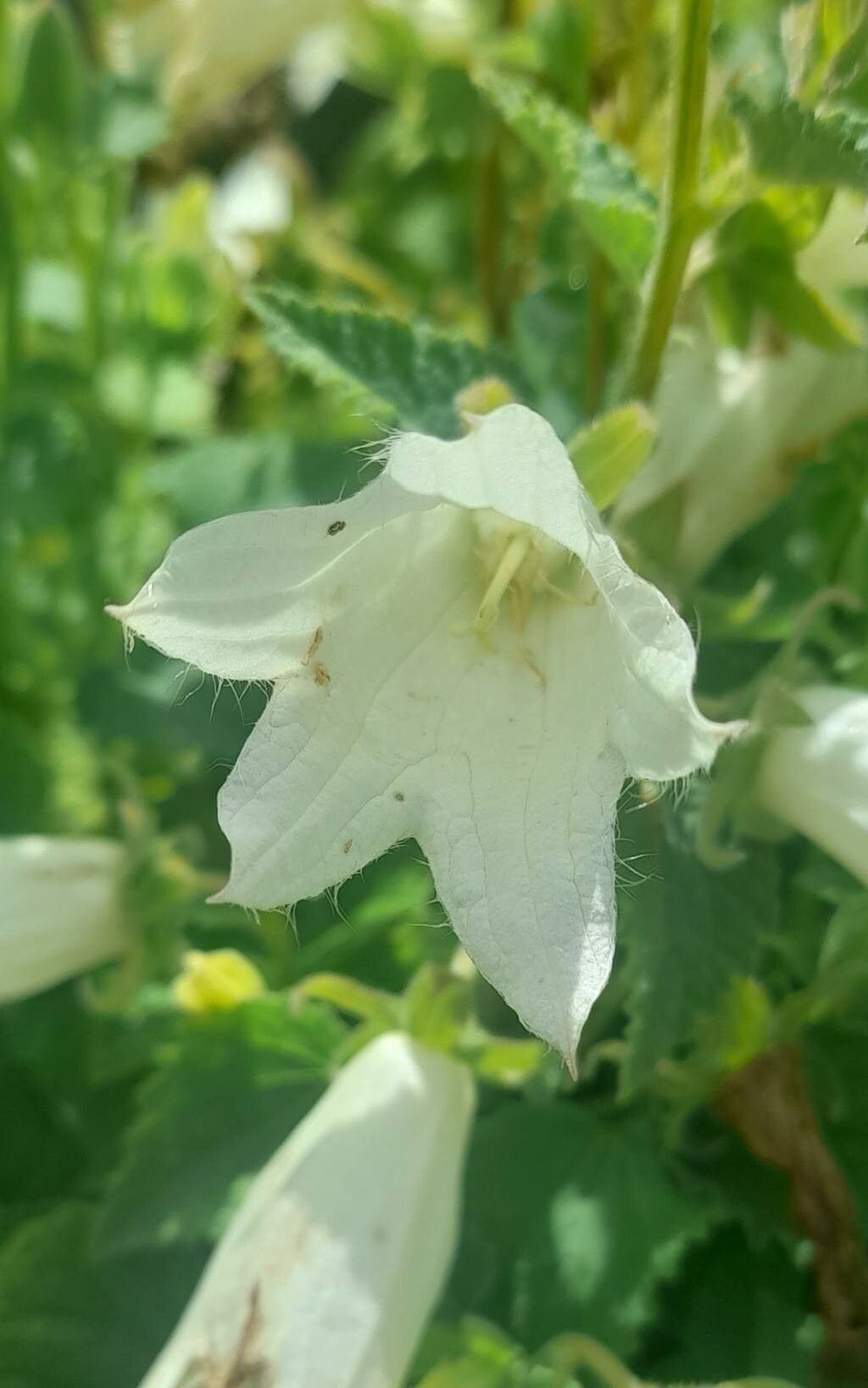
Oh, hello there! Grab your favorite mug; let’s chat about a little gem that truly brightens up the garden: Campanula dolomitica. Those lovely, bell-shaped flowers, often in shades of calming blue and delicate purple, just have a way of stealing my heart every spring. And you know what’s even better than admiring them? Creating more of them yourself! Propagating this beauty is incredibly rewarding, and while it might not be the absolute easiest plant for a brand-new gardener, it’s definitely achievable with a little patience and the right approach. Don’t let that scare you off!
The Best Time to Start
When it comes to Campanula dolomitica, timing is everything for the best success. I find that late spring to early summer is your sweet spot, right after the plant has finished its most enthusiastic blooming. You want to catch it when it’s actively growing, but not stressed from heat or heavy flowering. This is when the stems are young, flexible, and brimming with life, making them eager to form new roots.
Supplies You’ll Need
Before we dive in, let’s gather our tools. Having everything ready makes the process so much smoother:
- Sharp pruning shears or a clean, sharp knife: For making precise cuts.
- A well-draining potting mix: I like a blend of seed-starting mix with perlite for excellent aeration. Some gardeners even use a mix of peat moss and sand.
- Small pots or seedling trays: Clean ones are a must to prevent disease.
- Rooting hormone (optional but recommended): This can significantly speed up root formation.
- A plastic bag or a propagator lid: To create a humid environment.
- Watering can with a fine rose nozzle: For gentle watering.
- Labels and a marker: To keep track of your cuttings.
Propagation Methods
Now for the fun part! My favorite way to multiply Campanula dolomitica is through stem cuttings. It’s a reliable method that gives you a great chance of success.
- Take Your Cuttings: On a bright, mild day, select a healthy, non-flowering stem from your mother plant. Look for stems that are about 4-6 inches long. Using your clean shears, make a cut just below a leaf node (where a leaf joins the stem). This is where the magic happens, as roots often form readily from these points.
- Prepare the Cuttings: Gently remove the lower leaves from the bottom half of the stem. You want to expose the stem where roots will emerge. If the remaining leaves are very large, you can trim them in half to reduce water loss through transpiration.
- Apply Rooting Hormone (If Using): Dip the cut end of the stem into your rooting hormone. Tap off any excess. This stuff is like a little boost for your cuttings!
- Plant Your Cuttings: Fill your small pots or trays with your prepared potting mix. Make a small hole with your finger or a pencil. Insert the prepared cutting into the hole, ensuring that the leaf nodes that will develop roots are nestled in the soil. Gently firm the soil around the base of the cutting.
- Create a Humid Environment: Water the soil gently. Then, cover the pots with a clear plastic bag or place them inside a propagator with a lid. This traps moisture, which is crucial for the cuttings to stay hydrated before they develop roots. Make sure the plastic bag doesn’t touch the leaves of the cuttings.
The “Secret Sauce” (Pro Tips)
Here are a couple of my tried-and-true tricks that have made a big difference for me over the years:
- Bottom Heat is Your Friend: If you have a heated propagator or a heat mat, using it can be a game-changer. A little bit of warmth from below encourages faster root development, especially if the weather is a bit cooler outside.
- Don’t Overwater, But Don’t Let Them Dry Out: This is a delicate balance in propagation. Check the soil regularly. It should feel moist but not soggy. When you water, do it gently. Soggy soil is the quickest way to invite rot, and nobody wants that!
- Patience with Air Circulation: While humidity is good, you also need some air movement to prevent fungal issues. If you’re using a plastic bag, consider loosening it or opening it for a few minutes each day to let in fresh air.
Aftercare & Troubleshooting
Once your little cuttings have started to show signs of life, usually after 3-6 weeks, you’ll see new leaf growth or feel a gentle tug when you try to lift them slightly. That’s your cue they have roots!
- Acclimatize Gradually: Once they’re rooted, slowly start to acclimate them to normal room humidity by gradually opening the plastic bag or propagator lid over a few days.
- Prick Them Out: When they’re robust enough, you can carefully transplant them into slightly larger individual pots using a good quality potting mix.
- Watch for Rot: The most common failure is rot. If you see your cuttings turning mushy, black, or wilting dramatically, it’s usually a sign of too much moisture and not enough air. Unfortunately, rotten cuttings are usually a lost cause, but don’t get discouraged! Just try again with a fresh batch.
A Little Encouraging Wrap-Up
Propagating Campanula dolomitica is such a joyful gardening activity. It connects you more deeply with your plants and allows you to share their beauty with friends or fill your garden with even more of those darling bells. Be patient, enjoy the process, and celebrate every little sign of life. Happy propagating!
Resource:
https://identify.plantnet.org/k-world-flora/species/Campanula%20dolomitica%20E.A.Busch/data