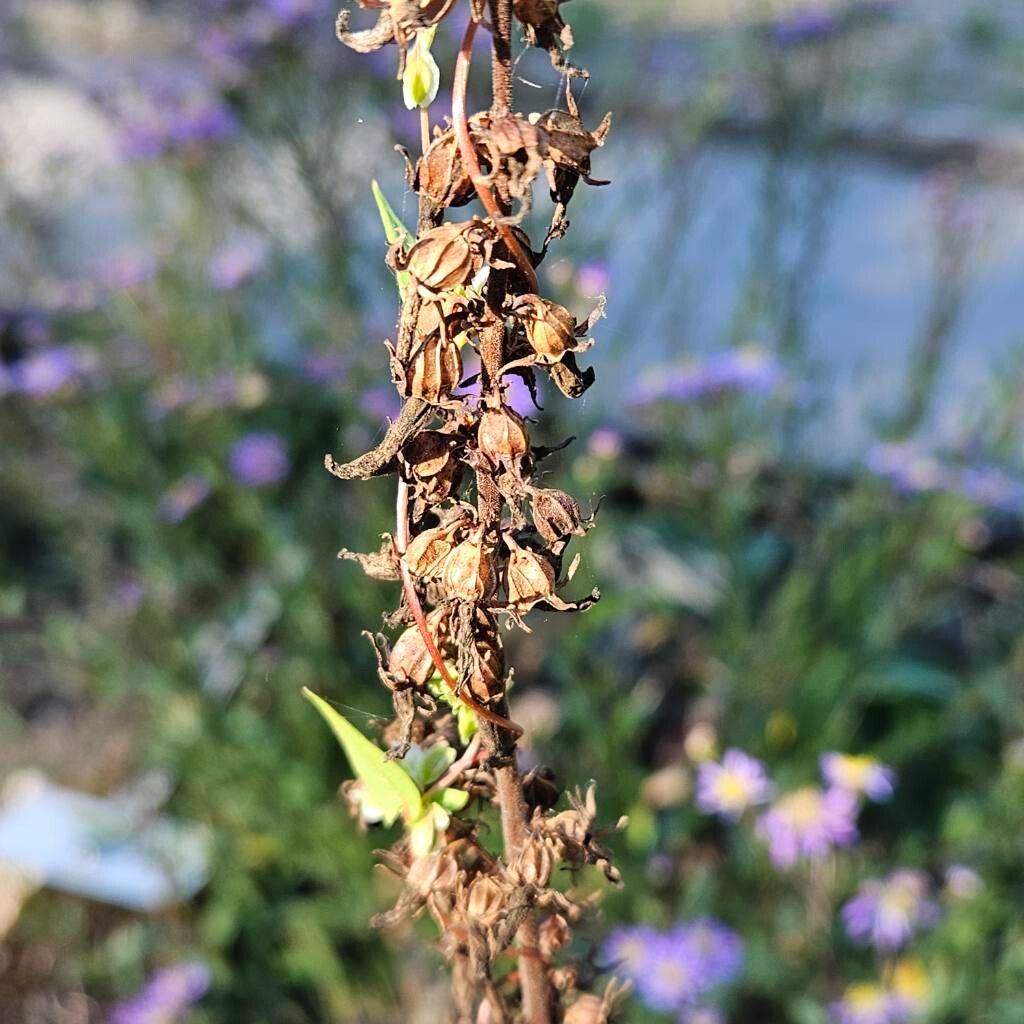
Grow More Bellflowers! Your Friendly Guide to Propagating Campanula bononiensis
There’s something truly magical about a garden brimming with those lovely, nodding bell-shaped flowers. Campanula bononiensis, also known as the Bologna Bellflower, is one such gem. Its airy spikes of lavender-blue blooms create a delicate dance in the summer garden, attracting pollinators with ease. And guess what? Propagating it is a wonderfully rewarding way to fill your garden with even more of these beauties, or to share them with fellow plant lovers. While it’s not quite as effortless as tossing out some seeds for a daisy, I’ve found Campanula bononiensis to be quite amenable to propagation, making it a great project for those with a little gardening experience under their belt. Let’s dive in!
The Best Time to Start
For the highest success rate with Campanula bononiensis, I always reach for my pruning shears in late spring or early summer. This is when the plant is actively putting on new growth. Look for stems that are firm but not woody yet. These “softwood” cuttings have a natural vigor that helps them root more readily. Avoid taking cuttings from flowering stems if you can help it; the plant puts a lot of energy into blooming, and we want that energy directed towards root development.
Supplies You’ll Need
Gathering your tools beforehand makes the whole process smoother. Here’s what I recommend:
- Sharp pruning shears or a clean, sharp knife: For making clean cuts, which are crucial.
- Small pots or trays: For your cuttings. Make sure they have drainage holes!
- A good potting mix: I prefer a well-draining mix, often a blend of peat moss or coco coir, perlite, and a little compost. You can also find specialized seed starting or propagation mixes.
- Rooting hormone (optional but recommended): This can give your cuttings a significant boost in rooting. Look for a powder or gel.
- A plastic bag or propagation dome: To create a humid environment for your cuttings.
- Watering can or spray bottle: For gentle watering.
- Labels: To mark your cuttings with the date and variety.
Propagation Methods: Let’s Get Rooting!
Campanula bononiensis can be propagated in a couple of ways, but my go-to is stem cuttings. It’s reliable and yields great results.
Stem Cuttings:
- Select your stems: Find healthy, non-flowering stems that are about 4-6 inches long.
- Make the cut: Using your clean shears, make a clean cut just below a leaf node. This is the point where leaves emerge from the stem, and it’s where the magic of rooting tends to happen.
- Prepare the cutting: Gently remove the lower leaves from the bottom 2-3 inches of the stem. You can leave the top few leaves to help the cutting photosynthesize. If the remaining leaves are very large, I like to cut them in half horizontally. This reduces water loss through transpiration.
- Apply rooting hormone (optional): Dip the cut end of the stem into your rooting hormone, tapping off any excess.
- Plant your cuttings: Fill your small pots with your chosen potting mix. Make a small hole with your finger or a pencil and insert the cutting, ensuring the prepared end is well-seated in the soil. Gently firm the soil around the stem.
- Water gently: Water the soil thoroughly but avoid waterlogging.
- Create humidity: Place your potted cuttings into a plastic bag, sealing it loosely, or cover them with a propagation dome. This traps moisture and creates the humid environment that encourages rooting.
- Find a good spot: Place the pots in a bright location with indirect light. Avoid direct sunlight, which can scorch the young cuttings.
The “Secret Sauce”
Over the years, I’ve picked up a few little tricks that often make all the difference:
- The “Bottom Heat” Trick: For really stubborn cuttings, or if you’re propagating a bit earlier or later in the season, adding bottom heat can dramatically speed up the rooting process. A simple heating mat designed for plant propagation placed beneath your pots can work wonders. It encourages root development from below.
- Don’t Let the Leaves Touch the Water (if water propagating): While I primarily use soil for Campanula bononiensis, if you happen to try water propagation, a crucial tip is to ensure that no leaves are submerged in the water. Submerged leaves will rot, which is never good for a cutting and can quickly kill it. Only the stem should be in the water.
- Patience is Key with Foliage: Sometimes, you might see a cutting look a bit sad and droopy after you’ve planted it. Resist the urge to overwater! Many times, the cutting is just adjusting. As long as it’s receiving humidity and bright, indirect light, it often perks up once roots begin to form.
Aftercare & Troubleshooting
Once your cuttings have developed a healthy root system – you’ll know this when you gently tug on the stem and feel some resistance, or if you see new leaf growth – it’s time for a little transplanting.
Carefully transplant your rooted cuttings into slightly larger pots with fresh potting mix. Continue to keep them in bright, indirect light and water when the top inch of soil feels dry. Gradually introduce them to more direct sunlight over a couple of weeks.
The most common sign of failure is rot. If your cutting turns black and mushy, it’s likely succumbed to rot, usually due to overly wet conditions or lack of air circulation. If you spot this, unfortunately, it’s best to discard it and try again. Sometimes, fungus gnats can be an issue, especially in consistently moist soil. They’re generally harmless to established plants but can be a nuisance. Letting the soil dry out slightly between waterings can help manage them.
Happy Growing!
Propagating Campanula bononiensis is a journey of observation and a little bit of horticultural magic. Don’t be discouraged if your first few attempts aren’t perfect; every gardener has those moments! Be patient, enjoy the process of watching new life emerge from a simple stem cutting, and soon you’ll have a garden overflowing with these charming bellflowers. Happy planting!
Resource:
https://identify.plantnet.org/k-world-flora/species/Campanula%20bononiensis%20L./data