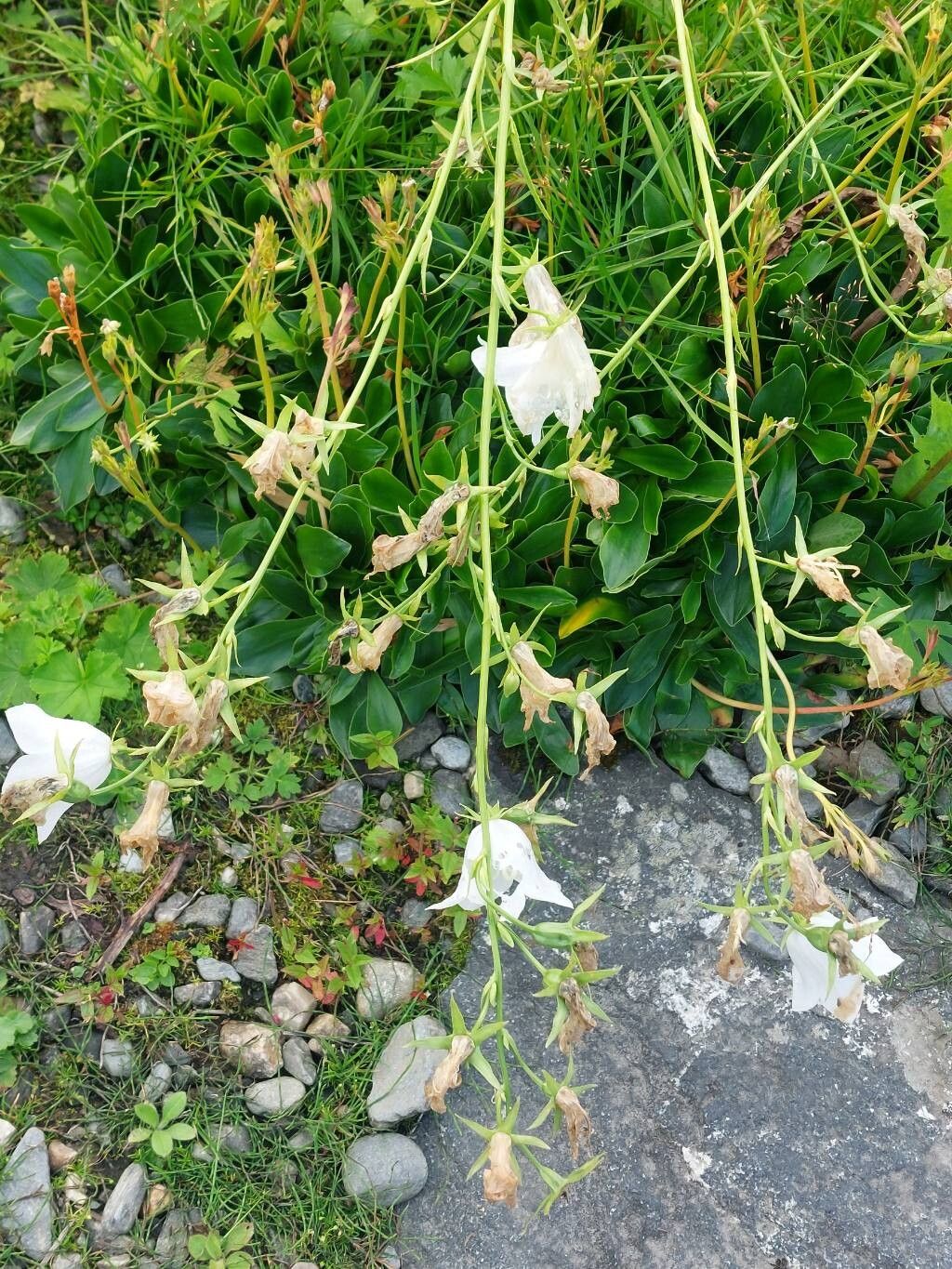
Oh, hello there! I’m so glad you stopped by. Today, we’re diving into the wonderful world of Campanula alliariifolia, or as some lovingly call it, the Lily-leaf Bellflower. If you’re looking for delicate, charming, bell-shaped flowers that seem to just dance in the breeze, you’re in the right place. Their soft, almost ethereal blooms add such a lovely touch to any garden border or container. And the best part? The sheer joy of creating more of these beauties yourself!
Now, as for whether it’s easy for beginners? I’d say Campanula alliariifolia is quite forgiving, especially when we talk about propagating it. You’ll find it’s a plant that really rewards your efforts. Let’s get our hands dirty, shall we?
The Best Time to Start
For the highest success rate, I find late spring to early summer is absolutely prime time. This is when the plant is actively growing and has a good supply of energy. You’ll be looking for new, non-woody stems that are about 4-6 inches long. Think of them as the soft, pliable shoots that are just bursting with life!
Supplies You’ll Need
Here’s what I usually have on hand when I’m ready to propagate:
- Sharp pruning shears or a clean craft knife: For making clean cuts. Dull tools can damage the stems.
- Potting mix: A well-draining mix is key. I often use a blend of equal parts peat moss (or coir) and perlite or coarse sand. This prevents waterlogged roots.
- Small pots or seedling trays: Clean ones are essential to prevent disease.
- Rooting hormone (optional but recommended): This can significantly speed up root development. Look for one with IBA (indole-3-butyric acid).
- Plastic bags or a propagation dome: To create a mini-greenhouse environment.
- Watering can with a fine rose: For gentle watering.
- Labels and a marker: To keep track of what you’ve planted!
Propagation Methods
Campanula alliariifolia is quite versatile, but my go-to methods are stem cuttings and division.
1. Stem Cuttings: My Absolute Favorite
This is where the magic really happens for me.
- Gather your cuttings: Head out in the late spring/early summer and look for those lovely, 4-6 inch, semi-hardwood stems. Make your cuts just below a leaf node (where a leaf meets the stem).
- Prepare the cuttings: Gently remove the lower leaves from the cutting, leaving just a couple at the very top. This prevents them from rotting once planted. If the leaves are quite large, you can even cut them in half horizontally to reduce water loss through transpiration.
- Apply rooting hormone: Dip the cut end of the stem into your rooting hormone, tapping off any excess.
- Plant the cuttings: Fill your small pots or trays with your prepared potting mix. Make a small hole with a pencil or your finger and insert the cutting, ensuring the leaf nodes are buried. Gently firm the soil around the base.
- Water and cover: Water the soil thoroughly but gently. Then, cover the pots with a plastic bag or place them in a propagation dome. This keeps humidity high, which is crucial for new cuttings.
2. Division: A Quick Win
If your Campanula is already established and you’re looking for a speedier, almost guaranteed new plant, division is your friend.
- Dig carefully: In early spring, before new growth really takes off, gently dig up the entire plant. Try to disturb the roots as little as possible.
- Separate the clumps: Look for natural divisions where the root system can be easily pulled apart into smaller sections. Each section should have at least one healthy shoot and a good portion of root. You can use your hands or a clean trowel to help.
- Replant immediately: Pot up the divisions into fresh, well-draining soil, or plant them directly back into the garden. Water them in well.
The “Secret Sauce” (Pro Tips)
From my years of tinkering, here are a couple of things I’ve learned that make a big difference:
- Bottom Heat is Your Friend: While not strictly necessary, placing your pots on a heated propagator mat can really speed up root formation. It mimics the warmth of summer soil and gives the cuttings a cozy start. If you don’t have one, a warm spot in the greenhouse or on a sunny windowsill will also do, but bottom heat is a definite boost.
- Don’t Let the Leaves Touch Water (in water propagation): If you choose to try water propagation (which I find a bit trickier for Campanula alliariifolia, as they can rot easily), remember to only submerge the cut stem, not the leaves. Leaves sitting in water are a fast track to decay and disease. I usually change the water every few days to keep it fresh.
Aftercare & Troubleshooting
Once your cuttings have started to root – you’ll know because you’ll feel a gentle tug when you carefully pull on them, or you might even see new leaves emerging – it’s time for a little extra TLC.
Gradually introduce them to more air by opening the plastic bag for a few hours each day, eventually removing it. Water them when the top inch of soil feels dry. Keep them in a bright, but not scorching, location.
Now, don’t get discouraged if you see some failures. It happens to all of us! The most common culprit is rot, which usually means the soil is too wet and not draining well, or humidity was too high for too long without good air circulation. If a cutting turns black and mushy, sadly, it’s time to discard it. Just remember to clean your pots thoroughly before trying again. Sometimes, it’s just about finding that sweet spot with watering and air.
A Little Encouragement
So there you have it! Propagating Campanula alliariifolia is a truly rewarding process. It’s about patience, observation, and a little bit of faith in the plant’s incredible ability to grow. Take your time, enjoy the process, and before you know it, you’ll be surrounded by even more of those beautiful bell-shaped blooms, all thanks to your own two hands. Happy gardening!
Resource:
https://identify.plantnet.org/k-world-flora/species/Campanula%20alliariifolia%20Willd./data