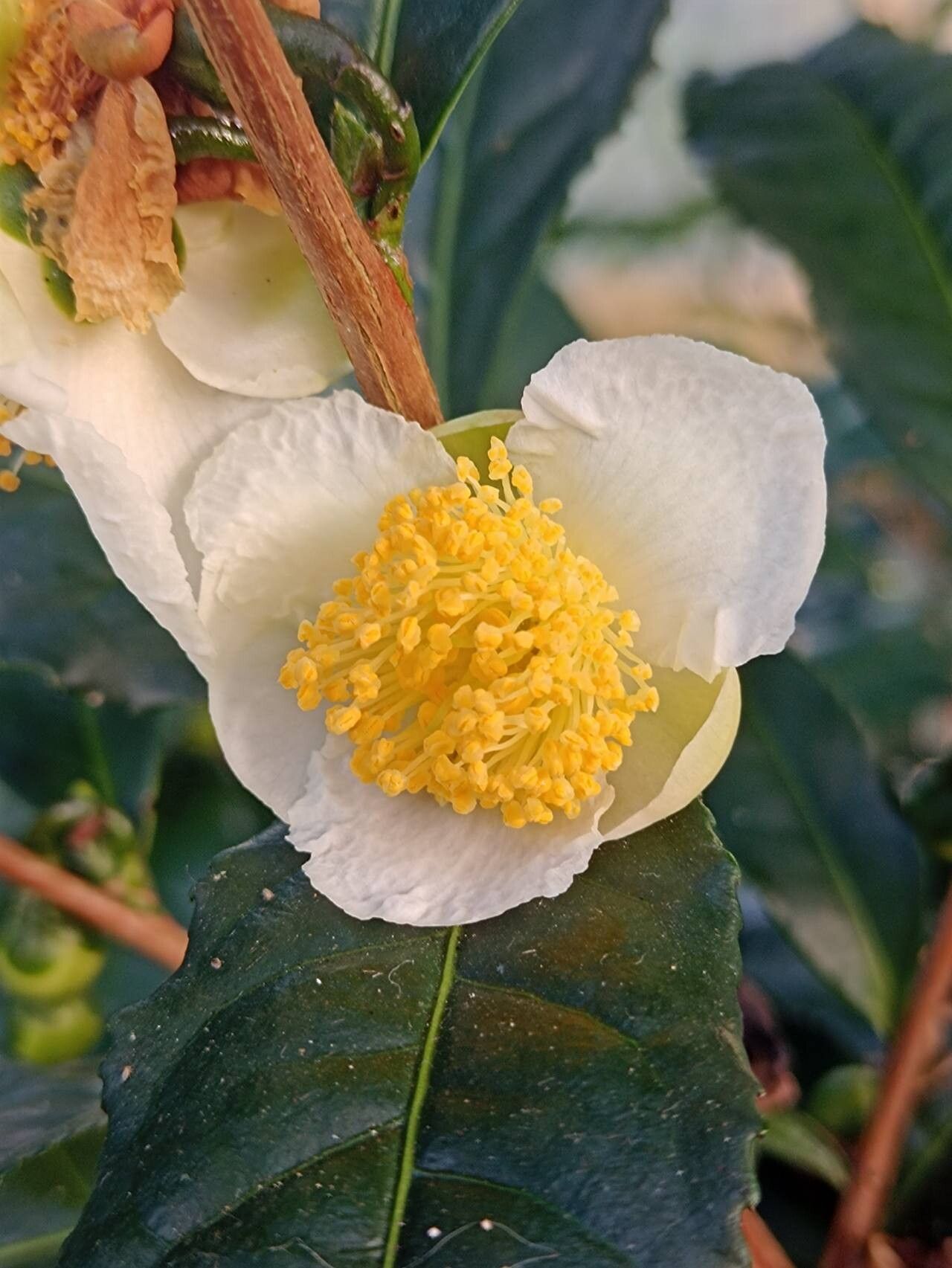
Hey there, fellow plant pals! It’s me, your garden goddess with two decades of dirt under her nails, ready to spill some serious tea on growing your very own tea plants. If you’re dreaming of a homegrown cuppa, you’ve come to the right spot. Propagating Camellia sinensis, the magical plant that gives us our beloved tea, is such a rewarding journey. It might sound a bit fancy, but honestly, it’s totally doable, even for those of you just dipping your toes into the wonderful world of propagation. You get to watch life spring from a tiny piece of your favorite plant – how cool is that?
When to Get Your Hands Dirty
The prime time to get propagating Camellia sinensis is usually in the late spring to early summer. This is when the plant is actively growing and full of vigor. You’re looking for cuttings from the current year’s growth that are semi-hardwood – meaning they’ve started to firm up but aren’t old and woody yet. Think of it as the sweet spot between super soft and tough as old boots.
Your Propagation Toolkit
Before we dive in, let’s gather our essentials. Having the right gear makes all the difference.
- Sharp Pruning Shears or Hobby Knife: Clean cuts are crucial for healthy healing and root development.
- Rooting Hormone Powder or Gel: This is your secret weapon to encourage those roots to sprout.
- Propagating Mix: I love a mix of equal parts peat moss or coir and perlite or coarse sand. It needs to be well-draining!
- Small Pots or Trays with Drainage Holes: These are perfect for your tiny tea babies.
- Clear Plastic Bags or a Mini Greenhouse: This helps maintain humidity, which is key.
- Watering Can with a Fine Rose: Gentle watering is a must, especially for delicate cuttings.
- Labels and a Marker: Don’t forget to label your efforts!
Bringing Your Tea Plants to Life
There are a couple of ways we can coax new tea plants into existence. I find stem cuttings to be the most reliable method for home gardeners.
Stem Cuttings
- Select Your Cuttings: Head out to your mature tea plant and look for those semi-hardwood stems. They should be about 4-6 inches long.
- Make the Cut: Using your sharp shears, make a clean cut just below a leaf node (where a leaf attaches to the stem). This is where roots are most likely to form.
- Prepare the Cutting: Gently remove the lower leaves, leaving only a couple of sets at the very top. This prevents them from rotting in the soil. If the leaves are quite large, you can even cut them in half diagonally to reduce water loss.
- Dip in Rooting Hormone: Moisten the cut end of the stem and then dip it into your rooting hormone, tapping off any excess. This stuff is like a fertility booster for roots!
- Plant Your Cuttings: Fill your small pots with your moistened propagating mix. Make a small hole with your finger or a pencil and gently insert the cutting, ensuring the leaf nodes are below the soil surface. Firm the soil gently around the base.
- Water and Cover: Water the cuttings lightly to settle the soil. Then, pop a clear plastic bag over the pot, or place the pot in your mini greenhouse. Make sure the leaves do not touch the plastic bag. This creates a humid environment.
The “Secret Sauce” from My Garden Bench
Over the years, I’ve picked up a few tricks that seem to make all the difference.
- Bottom Heat is Your Best Friend: If you have an old heating mat for reptiles (make sure it’s designed for plants!), placing your pots on top of it can significantly speed up root formation. It mimics the warmth of spring soil beautifully.
- Don’t Treat Every Cutting the Same: Some stems are just naturally more eager to root than others. If a cutting feels a bit flimsy, don’t despair! It might just need a little extra TLC and patience.
- Mist, Don’t Drench: While humidity is vital, you don’t want soggy soil. Lightly misting the inside of the plastic bag or the leaves occasionally (if you see them looking dry) is often enough.
Nurturing Your New Tea Babies
Once your cuttings have been resting in their humid little homes, the real waiting game begins.
- Check for Roots: After about 6-8 weeks, gently tug on a cutting. If you feel resistance, you’ve got roots! You can also look for new leaf growth, which is a good sign.
- Transitioning: Once roots are established, you can gradually introduce them to slightly less humid conditions by slowly opening up the plastic bag or greenhouse vent over a few days.
- Potting Up: When the new plants are strong enough, gently transplant them into slightly larger pots with a good quality potting mix. Keep them in a bright spot but out of direct, scorching sun for the first few weeks.
If you notice your cuttings wilting, turning black, or developing fuzzy mold, it’s usually a sign of too much moisture and not enough air circulation. Don’t be discouraged if some don’t make it – that’s part of the learning process! Just clean out the pot and try again.
Growing your own tea plant from a cutting is a wonderfully meditative experience. It takes a bit of patience, a dash of care, and a whole lot of hope. So go ahead, grab your shears, get your hands dirty, and enjoy the journey of bringing more green goodness into your life! Happy growing!
Resource:
https://identify.plantnet.org/k-world-flora/species/Camellia%20sinensis%20(L.)%20Kuntze/data