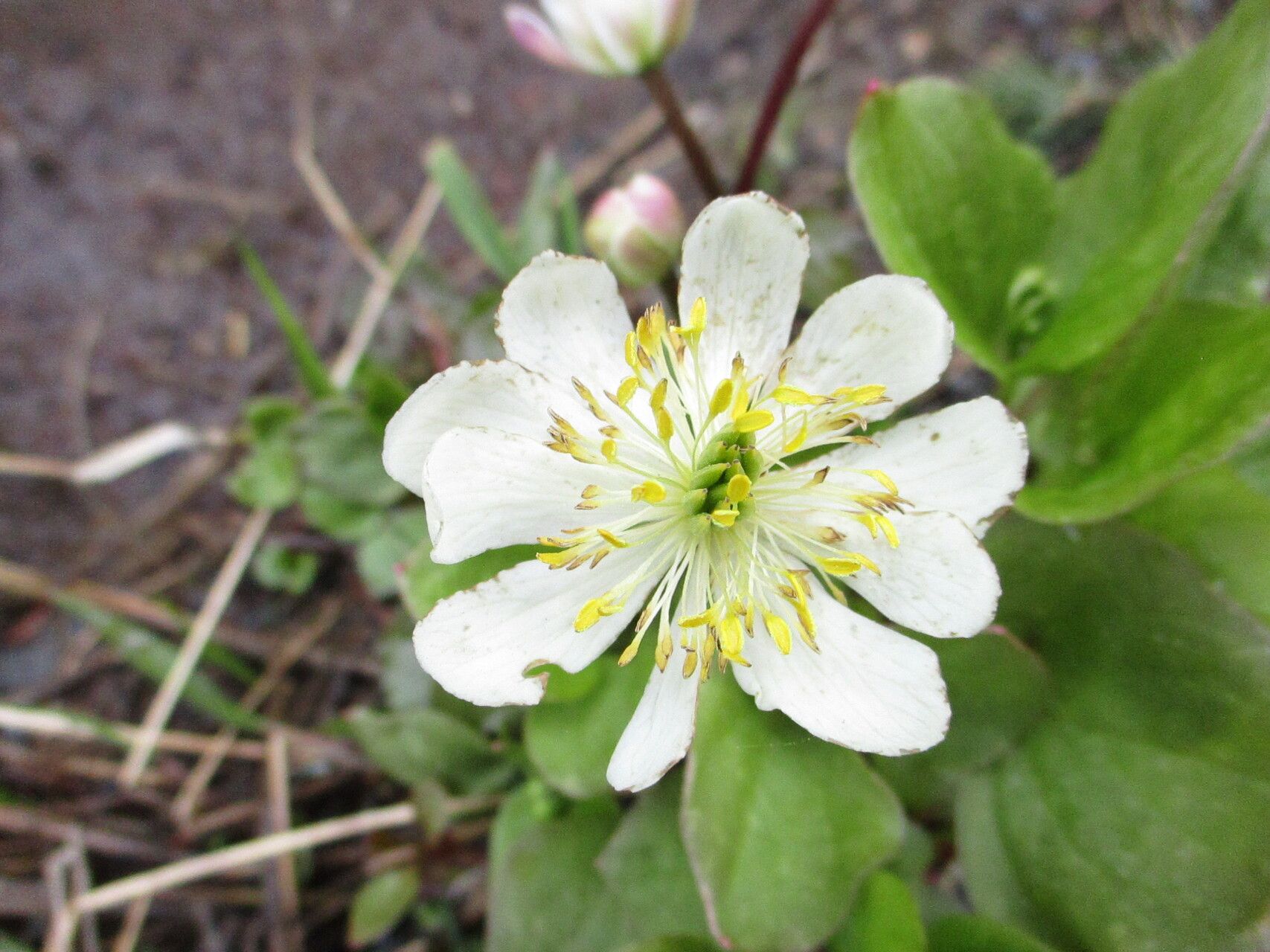
Hello, fellow plant enthusiasts! Today, we’re diving into the wonderfully rewarding world of propagating Caltha leptosepala, often known as the White Marsh Marigold. I’ve been growing these beauties for years, and if there’s one thing I’ve learned, it’s that sharing them feels just as good as seeing those delicate white petals unfurl in the spring.
Why Propagate Caltha Leptosepala?
There’s something truly special about nurturing a new plant from a tiny piece of its parent. With White Marsh Marigolds, it’s especially satisfying. They bring a lovely splash of pristine white to the often green landscape of early spring, thriving in damp conditions where many other plants struggle. Plus, you’ll have more of these cheerful blooms to enjoy or to share with friends who also have a love for a boggy spot in their garden. For beginners, this is a reliably easy plant to get started with, which is always a bonus!
The Best Time to Start
You’ll have the most success with propagating White Marsh Marigolds in the late spring or early summer, right after they’ve finished their main flowering period. This is when the plant is actively growing and has plenty of energy stores to dedicate to putting out new roots. Waiting until after flowering ensures you don’t sacrifice precious blooms, and the plant is still in a robust growth phase.
Supplies You’ll Need
Let’s gather our tools for this propagation adventure:
- Sharp pruning shears or a clean knife: For making precise cuts.
- A well-draining potting mix: I like a blend of peat moss, perlite, and a bit of compost. You want something that holds moisture but doesn’t become waterlogged.
- Small pots or trays: With drainage holes, of course!
- Rooting hormone (optional but recommended): A powdered or gel form can give your cuttings a nice boost.
- Watering can or spray bottle: For gentle watering.
- A plastic bag or propagation dome: To create a humid environment.
- Labels or markers: To keep track of your new plant babies.
Propagation Methods
The most straightforward way to propagate Caltha leptosepala is through division. It’s simple and very effective.
Division Method:
- Digging Up: In late spring or early summer, after the plant has flowered, carefully dig up the entire clump of your White Marsh Marigold. Try to get as much of the root ball as possible.
- Separating: Gently shake off excess soil so you can see the structure of the plant. You’re looking for natural divisions – places where the plant has grown outwards and formed separate crowns with their own roots.
- Using Your Tools: You can often pull these apart by hand, but if they are strongly rooted, use your clean pruning shears or knife to carefully cut through the rhizomes and roots to separate them. Make sure each new division has at least one healthy shoot and a good amount of roots.
- Replanting: Immediately pot up your divisions into your prepared well-draining potting mix. Water them thoroughly.
The “Secret Sauce” (Pro Tips)
Here are a couple of tricks I’ve picked up along the way to really give your Caltha leptosepala propagations an extra edge:
- Don’t Overcrowd: When dividing, be ruthless! It might feel like you’re chopping up a perfectly good plant, but giving each new division ample space to grow strong roots is crucial for its long-term health. Trying to divide too finely can lead to weaker plants.
- Mimic Wetland Humidity: Once your divisions are potted, place them in a larger propagator or cover them with a clear plastic bag to create a humid environment. This is especially helpful as they establish. Just make sure to open the bag for a few minutes each day to allow for air circulation and prevent mold.
Aftercare & Troubleshooting
Once your divisions are planted, give them a good watering. Keep the soil consistently moist but not waterlogged. Place them in a spot that receives bright, indirect light. Avoid direct sun for the first few weeks, as this can stress the newly divided plants.
The most common issue you might encounter is rot, especially if the soil stays too wet. You’ll notice this if the leaves start to yellow and wilt, and the stem at the soil line becomes mushy. If you see this, try to carefully pull the plant out and check the roots. If they are black and slimy, it’s likely rot. You might be able to save a healthy section if you act quickly, but often, it’s a sign that the conditions were too damp. Otherwise, with consistent moisture and good light, you should see new growth appearing within a few weeks, signaling that your new White Marsh Marigold is settling in nicely!
Happy Propagating!
Taking cuttings or dividing plants can seem daunting at first, but with Caltha leptosepala, you’ve got a wonderfully forgiving subject. Be patient with your new plant babies, provide them with consistent care, and before you know it, you’ll have a whole patch of these delightful white blooms to admire. Happy gardening!
Resource:
https://identify.plantnet.org/k-world-flora/species/Caltha%20leptosepala%20DC./data