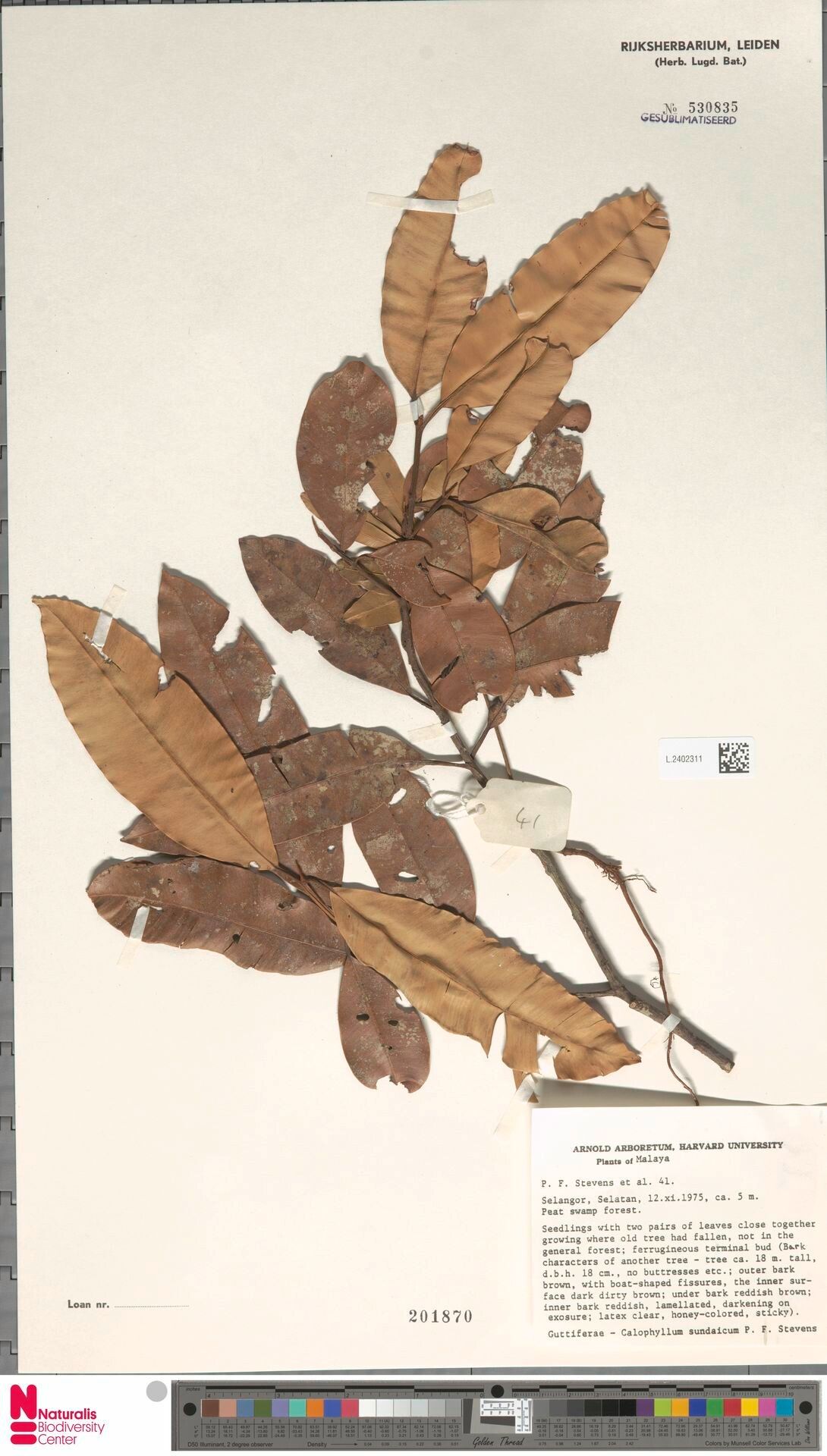
Hello fellow garden enthusiasts! Today, we’re diving into the wonderful world of propagating a truly special tree: Calophyllum sundaicum. You might know it by its common name, the bintanggur tree, or perhaps its striking appearance with glossy, dark green leaves and lovely, often fragrant, white flowers. It’s a tree that brings a touch of the tropics to any garden, and trust me, nurturing one from a tiny cutting is an incredibly rewarding experience. Now, where does this beauty fit into the beginner’s propagation journey? I’d say it’s a bit of a moderately challenging plant to propagate. It requires some attention to detail, but with a little guidance, you absolutely can be successful!
The Best Time to Start
For Calophyllum sundaicum, the absolute sweet spot for taking cuttings is during its active growing season. This is usually in the late spring through to mid-summer. You’re looking for stems that are firm and mature, but not yet woody. Think of it like this: you want a stem with a bit of life and energy, not something that’s practically bone dry or still very soft and new. When you can slightly bend a stem and it springs back without snapping, that’s a good sign it’s ready.
Supplies You’ll Need
Before we get our hands dirty, let’s gather our tools. Having everything ready makes the process so much smoother!
- Sharp Pruning Shears or a Clean Knife: For making clean cuts.
- Rooting Hormone: Powdered or liquid rooting hormone is your best friend here. It significantly encourages root development.
- Well-Draining Potting Mix: I like a mix of perlite, peat moss, and a bit of compost. You want it airy so roots don’t get waterlogged.
- Small Pots or Trays: Clean ones, of course! For cuttings, smaller is generally better to start.
- Plastic Bag or Propagator Lid: To maintain humidity.
- Watering Can or Mister: For gentle watering.
- Labels: To keep track of what you’ve planted and when.
Propagation Methods
While Calophyllum sundaicum can be grown from seed, for a faster and more predictable outcome, we often turn to stem cuttings. It’s my go-to method for this tree.
- Take Your Cuttings: Select healthy, vibrant stems from your mature plant. Aim for cuttings that are about 6-8 inches long. Make your cut just below a leaf node (where a leaf attaches to the stem). This is a prime spot for root formation. Remove any leaves from the bottom half of your cutting, leaving just a few at the top to photosynthesize.
- Prepare the Cutting: Dip the cut end of the stem into your rooting hormone, ensuring good coverage. Gently tap off any excess.
- Plant Your Cuttings: Fill your small pots with your well-draining potting mix. Make a small hole in the center with your finger or a pencil. Insert the prepared cutting into the hole, making sure the leaf nodes that were covered by hormone are submerged in the soil. Gently firm the soil around the cutting.
- Create a Humid Environment: Water gently, just enough to moisten the soil. Then, cover the pot with a clear plastic bag or a propagator lid. This creates a mini-greenhouse effect, which is crucial for preventing the cuttings from drying out before they can form roots.
The “Secret Sauce” (Pro Tips)
Here are a few things I’ve learned that really make a difference:
- Don’t Let the Leaves Touch the Water (if using water propagation): While I prefer soil for Calophyllum sundaicum, if you do try water propagation, be very careful! Submerged leaves will rot, which can take down your entire cutting. Pinch them off if they get too close.
- Bottom Heat is Your Friend: This is a game-changer! Place your pots on a heat mat. This gentle warmth encourages root growth from below and can significantly speed up the process.
- Wipe Away Condensation: If you’re using a plastic bag, you’ll notice condensation forming. Wipe this away daily. Too much stagnant moisture can invite fungal diseases. Good air circulation, even within the bag, is key.
Aftercare & Troubleshooting
Once your cuttings have been planted, treat them gently. Keep them in a bright, indirect light location. Avoid direct sun, which can scorch developing leaves and dry out the cuttings too quickly. Water only when the top inch of soil feels dry. Be patient! Rooting can take several weeks, sometimes even a couple of months.
The most common issue you might encounter is rot. This usually happens if the soil is too wet or the humidity is too high without enough air circulation. If you see your cutting turning black and mushy at the base, unfortunately, it’s likely a goner. Don’t despair! Just remove it and try again, paying close attention to your watering and ventilation. If your cutting looks healthy but just isn’t rooting, it might need more time, or perhaps a touch more bottom heat or humidity.
A Encouraging Closing
Propagating plants is a journey of observation and patience. Don’t be discouraged if your first attempt isn’t a runaway success. Each cutting is a learning opportunity. Enjoy the process of nurturing a new life from a piece of your beloved Calophyllum sundaicum. Happy propagating!
Resource:
https://identify.plantnet.org/k-world-flora/species/Calophyllum%20sundaicum%20P.F.Stevens/data