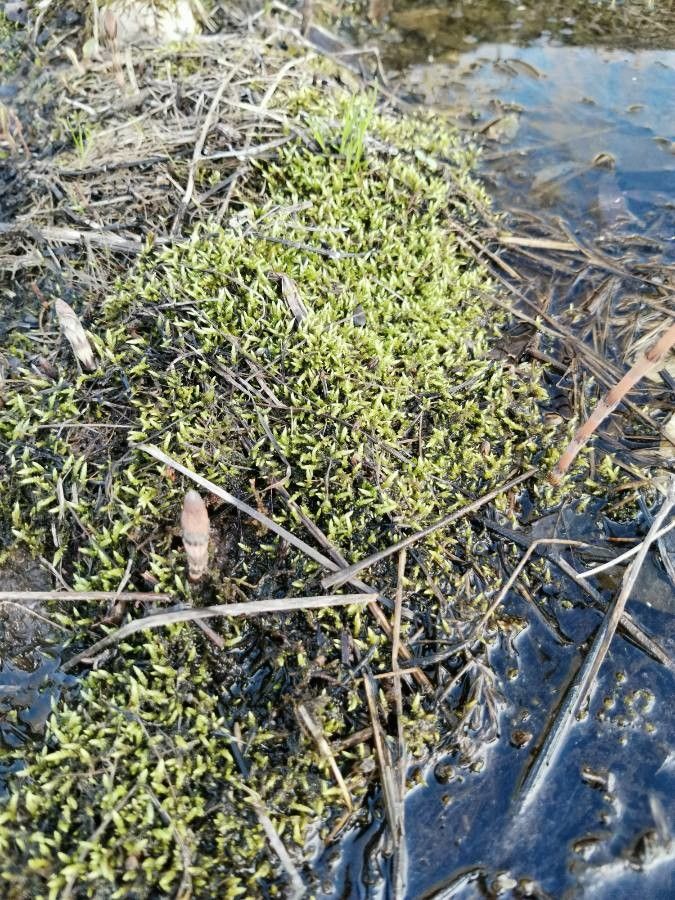
Hey there, fellow plant lovers! Today, I want to talk about a little gem that’s been stealing my heart for years: Callitriche marginata, often called fringed water starwort.
This aquatic beauty is just delightful. Its delicate, star-shaped leaves create a lovely texture in ponds, water gardens, or even in shallow dishes of water on a bright windowsill. Watching it grow and multiply is incredibly satisfying, and honestly, it’s a pretty forgiving plant for newcomers to aquatic propagation. You’ll be sharing cuttings before you know it!
The Best Time to Start
For the most vigorous growth and best rooting success, spring is your prime time. As the days lengthen and temperatures begin to warm up, Callitriche marginata really hits its stride. You can also try propagating in early summer, as long as you can maintain consistent warmth and light. Avoid trying this when the plant is dormant in cooler months.
Supplies You’ll Need
Gathering your tools beforehand makes the whole process so much smoother. Here’s what I usually have on hand:
- Sharp, clean pruning shears or scissors: Essential for making clean cuts.
- A shallow tray or container: For water propagation.
- Small pots (optional): If you plan to pot up rooted cuttings.
- Aquatic plant substrate or fine gravel: If you’re planting directly into a pond or container.
- Gloved hands: While not strictly necessary, it can be a bit messy.
- Access to fresh, clean water: Tap water is usually fine, but if yours is very hard, consider letting it sit out overnight.
Propagation Methods
Callitriche marginata is a breeze to propagate. The easiest and most effective method for this plant is stem cuttings.
Stem Cuttings
This is my go-to for multiplying my Callitriche. It’s so straightforward!
- Identify a healthy stem: Look for a piece of the plant that is actively growing and looks vibrant.
- Make a clean cut: Using your sharp shears, cut a stem that is at least 3-4 inches long. You can make the cut just below a leaf node (where a leaf attaches to the stem).
- Remove lower leaves (if necessary): If the bottom portion of your cutting has many leaves that will be submerged, gently pinch or snip them off. This helps prevent them from rotting in the water.
- Place in water: Now for the fun part! You can either place the cuttings directly into a shallow tray or container filled with fresh water, or you can float them on the surface of a pond or a larger water feature. Just make sure the cut end is submerged.
Soon, you’ll see tiny white roots emerging from the submerged stem. They usually appear within a week or two!
The “Secret Sauce” (Pro Tips)
After years of playing around with plants, a few little tricks usually make a big difference.
- Don’t overcrowd your cuttings: Give them a little breathing room in their container. If they’re all crammed together, they compete for light and can harbor disease.
- Consider light intensity: While they need light, direct, scorching sunlight can be too much for delicate cuttings. A bright, indirect light spot is usually ideal.
- Gentle water flow is your friend: If you’re propagating in a pond or a larger container, gentle water movement helps supply oxygen and nutrients. However, avoid strong currents that can dislodge your cuttings.
Aftercare & Troubleshooting
Once you see a good network of roots developing, you have a few options. You can leave them to grow larger in their current water container, or you can plant them in a substrate at the bottom of your pond or water garden. If you’re using pots, fill them with a fine gravel or aquatic soil and gently plant the rooted cuttings.
The most common issue you might encounter is rot. This usually happens if you have too many leaves submerged and the water isn’t clean. If you see a cutting turning mushy or black, remove it immediately to prevent it from affecting others. Ensure your water is fresh and that only the stem is submerged, not the leaves.
A Encouraging Closing
Propagating Callitriche marginata is a wonderfully rewarding experience. It’s one of those plants that seems to thrive on being shared. Be patient with your new cuttings, give them good light and clean water, and I promise you’ll be rewarded with a beautiful, lush display. Happy propagating!
Resource:
https://identify.plantnet.org/k-world-flora/species/Callitriche%20marginata%20Torr./data