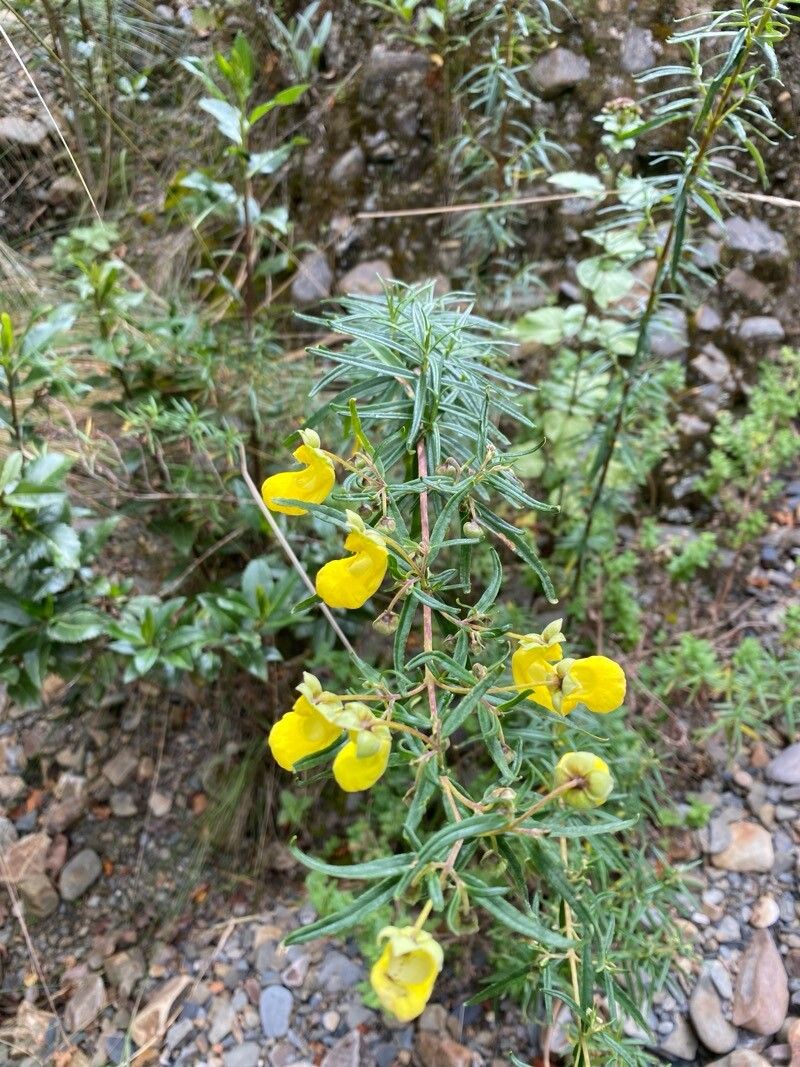
Hey there, fellow plant lovers!
There’s something truly special about coaxing a new life into existence from an existing plant. It’s like unlocking a secret power in your own garden! Today, we’re diving into the wonderful world of Calceolaria buchtieniana, those charming little “slipper orchids” with their whimsical, pouch-like flowers. Their vibrant colors and unique shapes are just a joy to behold, and creating more of them is incredibly rewarding. Now, I’ll be honest, Calceolaria can be a tad particular, so while not unheard of for beginners, it’s a journey that might require a bit more patience and observation than starting a simple pothos. But trust me, the payoff is so worth it!
The Best Time to Start
When it comes to getting your new Calceolaria babies going, spring is usually your best bet. This is when the plant is waking up from its dormancy and full of the energy it needs to put out strong new growth. Look for healthy, actively growing stems that haven’t yet started to flower. You want robust material, not something that’s looking tired or stressed.
Supplies You’ll Need
Before we get our hands dirty, let’s gather our tools:
- Sharp, clean pruning shears or a sharp knife: For taking clean cuts. We don’t want to damage the parent plant or the cuttings.
- A well-draining potting mix: I like to use a blend of peat moss or coco coir, perlite, and a bit of coarse sand. It needs to let water drain away quickly to prevent rot.
- Small pots or propagation trays: Clean ones, of course! Small cells or 3-4 inch pots work wonderfully.
- Rooting hormone (optional but highly recommended): This isn’t magic, but it definitely gives your cuttings a helpful boost. You can get it in powder or gel form.
- A clear plastic bag or dome: To create a humid microclimate around your cuttings.
- A watering can with a fine rose or a spray bottle: For gentle watering.
- Patience! (This is the most important tool, really).
Propagation Methods
Calceolaria buchtieniana is most commonly propagated from stem cuttings. This is a reliable way to get new plants that are genetically identical to the parent.
Here’s how we do it:
- Take Your Cuttings: Using your clean shears or knife, select a healthy, non-flowering stem. Make a clean cut just below a leaf node (where the leaf attaches to the stem). You’re looking for cuttings that are about 3-4 inches long. Remove any lower leaves that might be submerged in soil or water later on.
- Prepare the Cuttings: If you’re using rooting hormone, dip the cut end of the stem into it. Gently tap off any excess.
- Plant Your Cuttings: Fill your small pots or trays with your prepared potting mix and lightly moisten it. Make a small hole in the center of the soil with your finger or a pencil. Gently insert the cutting into the hole, ensuring the leaf nodes are tucked beneath the soil surface. Firm the soil gently around the base to provide support.
- Create the Humid Environment: Water the soil very lightly after planting. Then, cover the pot or tray with a clear plastic bag or propagation dome. This will trap moisture and humidity, which is crucial for the cuttings to develop roots. If you’re using a bag, you might need to prop it up with a couple of skewers so it doesn’t stick directly to the leaves.
- Provide Light and Warmth: Place your cuttings in a bright location with indirect light. Avoid direct sun, which can scorch them and dry out the humidity dome too quickly. A warm spot, around 70°F (21°C), is ideal.
Water Propagation (A More Adventurous Option): While stem cuttings in soil are my go-to, you can also try water propagation. Simply place your prepared cuttings in a clean jar or glass of water. Make sure no leaves are touching the water. Change the water every few days to keep it fresh. Once you see good roots forming (about an inch long), you can carefully transplant them into your potting mix.
The “Secret Sauce” (Pro Tips)
Now for a couple of things I’ve learned over the years that can make a real difference:
- Don’t Overwater! This is probably the number one mistake people make. The soil should be moist, not soggy. Soggy soil is a welcome mat for rot. I like to feel the weight of the pot – if it feels light, it’s time to water.
- Bottom Heat is Your Friend: If you can, place your propagation trays on a heating mat. This gentle warmth from below encourages root development much faster. It really speeds things up!
- Be Patient with Airflow: Even though we want humidity, a little bit of airflow is important to prevent fungal diseases. If you’re using a plastic bag, you might want to “flick” it open for a few minutes each day to let some fresh air in.
Aftercare & Troubleshooting
Once you start seeing new growth emerging from your cuttings, that’s a fantastic sign! It means roots are forming. You can gently tug on a cutting – if there’s resistance, you’ve got roots.
Once your little Calceolaria plants have a decent root system, you can gradually acclimate them to normal conditions. This means slowly opening up the humidity dome or plastic bag over a week or two. Once they seem happy, you can transplant them into their own small pots with your regular potting mix. Keep them in bright, indirect light and water as needed, allowing the soil to dry out slightly between waterings.
The most common issue you’ll face is rot. If your cuttings turn mushy and dark, or start to wilt and fall apart, it’s usually a sign of too much moisture. Unfortunately, if rot sets in, it’s hard to save them. This is why good drainage and avoiding overwatering are so critical. Another sign of trouble is if your cuttings simply refuse to root after a long time; this can sometimes be due to using old or ineffective rooting hormone, or just less vigorous parent material.
A Little Encouragement
See? It’s a process, and sometimes plants have their own timeline, don’t they? Don’t get discouraged if your first attempt isn’t a runaway success. Each time you try, you learn a little more. Enjoy the quiet dedication of nurturing these tiny new lives, and celebrate those first tiny leaves and tentative roots! Happy propagating!
Resource:
https://identify.plantnet.org/k-world-flora/species/Calceolaria%20buchtieniana%20Kraenzl./data