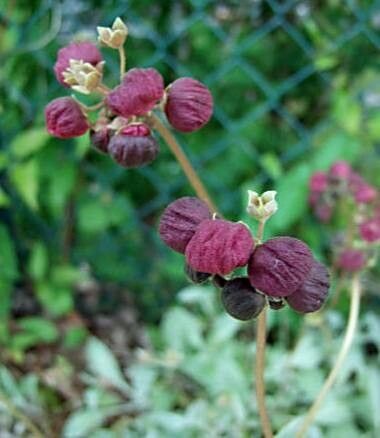
Oh, hello there! Come on in, grab a virtual mug of coffee. Let’s chat about Calceolaria arachnoidea, shall we? If you’ve ever spotted this fascinating little plant, with its fuzzy, web-like leaves and cheerful, slipper-shaped blooms, you know it’s got a certain charm. I’ve always found them so captivating – like tiny, botanical treasures tucked away in the garden. And the best part? You can easily bring more of that magic into your own space by propagating them!
Now, I’ll be honest. While I adore them, Calceolaria arachnoidea can be a tad bit fussy, especially for absolute beginners. But don’t let that deter you! With a little care and some careful technique, you’ll be rewarded with a whole new batch of these beauties. Think of it as a delightful challenge that truly pays off.
The Best Time to Start
My personal favorite time to get my hands dirty with propagating Calceolaria is in the late spring or early summer. This is when the plant is usually in an active growth phase after flowering. The stems are firm, but not so old and woody that they struggle to root. You want to see new, healthy growth to work with.
Supplies You’ll Need
Before we dive in, let’s gather our toolkit. It feels good to be prepared, doesn’t it?
- Sharp Pruning Shears or a Clean Knife: For making clean cuts that heal well.
- Seed Starting Mix or a Well-Draining Potting Mix: I like a mix that’s about 50% perlite or pumice to ensure excellent drainage. They really dislike soggy feet.
- Small Pots or Trays: Clean ones, please!
- Rooting Hormone (Optional but Recommended): This really gives your cuttings a nice boost.
- Plastic Bags or a Propagator Lid: To create a mini-greenhouse environment.
- Watering Can with a Fine Rose: For gentle watering.
- Labels and a Marker: To keep track of what’s what.
Propagation Methods
For Calceolaria arachnoidea, I find the most successful method to be stem cuttings. It’s straightforward and gives you a great chance of success.
- Select Healthy Stems: Look for new shoots that are about 3-4 inches long. They should be pliable and green, not woody.
- Make the Cut: Using your clean shears or knife, make a clean cut just below a leaf node. A leaf node is where a leaf emerges from the stem. This is where new roots are most likely to form.
- Prepare the Cuttings: Gently remove the lower leaves from the cutting, leaving just a couple of leaves at the top. This prevents them from rotting in the soil. If your cuttings are long, you can even take a cutting from a longer stem, ensuring you have at least two leaf nodes.
- Apply Rooting Hormone (Optional): If you’re using rooting hormone, dip the cut end of the stem into the powder or gel, tapping off any excess.
- Plant the Cuttings: Make small holes in your prepared, slightly moist seed-starting mix. Insert the cut end of each stem into the hole, ensuring the leaf nodes are below the soil surface. Gently firm the soil around the base of the cutting. You can plant several cuttings in one pot, spaced a couple of inches apart.
- Create a Humid Environment: Water gently and then cover the pot with a plastic bag or place the lid on your propagator. This keeps the humidity high, which is crucial for cuttings to root. Make sure the plastic bag doesn’t touch the leaves too much.
- Placement: Place your pots in a bright spot out of direct sunlight. They like warmth, so a windowsill that gets morning sun is usually perfect.
The “Secret Sauce” (Pro Tips)
Now, here are a few little tricks I’ve learned over the years that make a real difference.
- Don’t Overwater the Cuttings: This is probably the most common mistake! The soil should be consistently moist but never soggy. If you see condensation building up heavily inside your bag, open it for a few hours to let it air out.
- Bottom Heat is Your Friend: If you have a seedling heat mat, placing your pots on it can significantly speed up root development. It mimics the warmth of spring soil and gives them a real kickstart.
- Patience is Key (Seriously!): Calceolaria can be a bit slow to root. Don’t be tempted to pull them out to check for roots every day. Give them at least 3-4 weeks before you even think about gently tugging to see if there’s resistance.
Aftercare & Troubleshooting
Once you see signs of new growth – little leaves unfurling at the top – that’s usually a good indicator that roots are forming! You can then gradually acclimate your new plants to normal room humidity by opening the plastic bag for longer periods each day over a week.
Common problems to watch for:
- Rotting Cuttings: This is almost always due to overwatering or poor drainage. If your cuttings turn mushy and black, they’ve likely succumbed to rot. Discard them and try again with drier soil and better air circulation.
- Wilting: If a cutting wilts dramatically, it could be a sign that it hasn’t rooted yet and is struggling to get moisture. Make sure the humidity is high and that the soil is consistently moist. Sometimes, they just don’t make it, and that’s okay!
A Encouraging Closing
See? It’s a process, and like any gardening journey, there might be a few bumps along the way. But the satisfaction of watching those little cuttings take hold and grow into their own lovely plants is absolutely wonderful. Be patient with yourself and with your Calceolaria. Enjoy the gentle rhythms of nurturing new life. Happy propagating, and I can’t wait to hear about your successes!
Resource:
https://identify.plantnet.org/k-world-flora/species/Calceolaria%20arachnoidea%20Graham/data