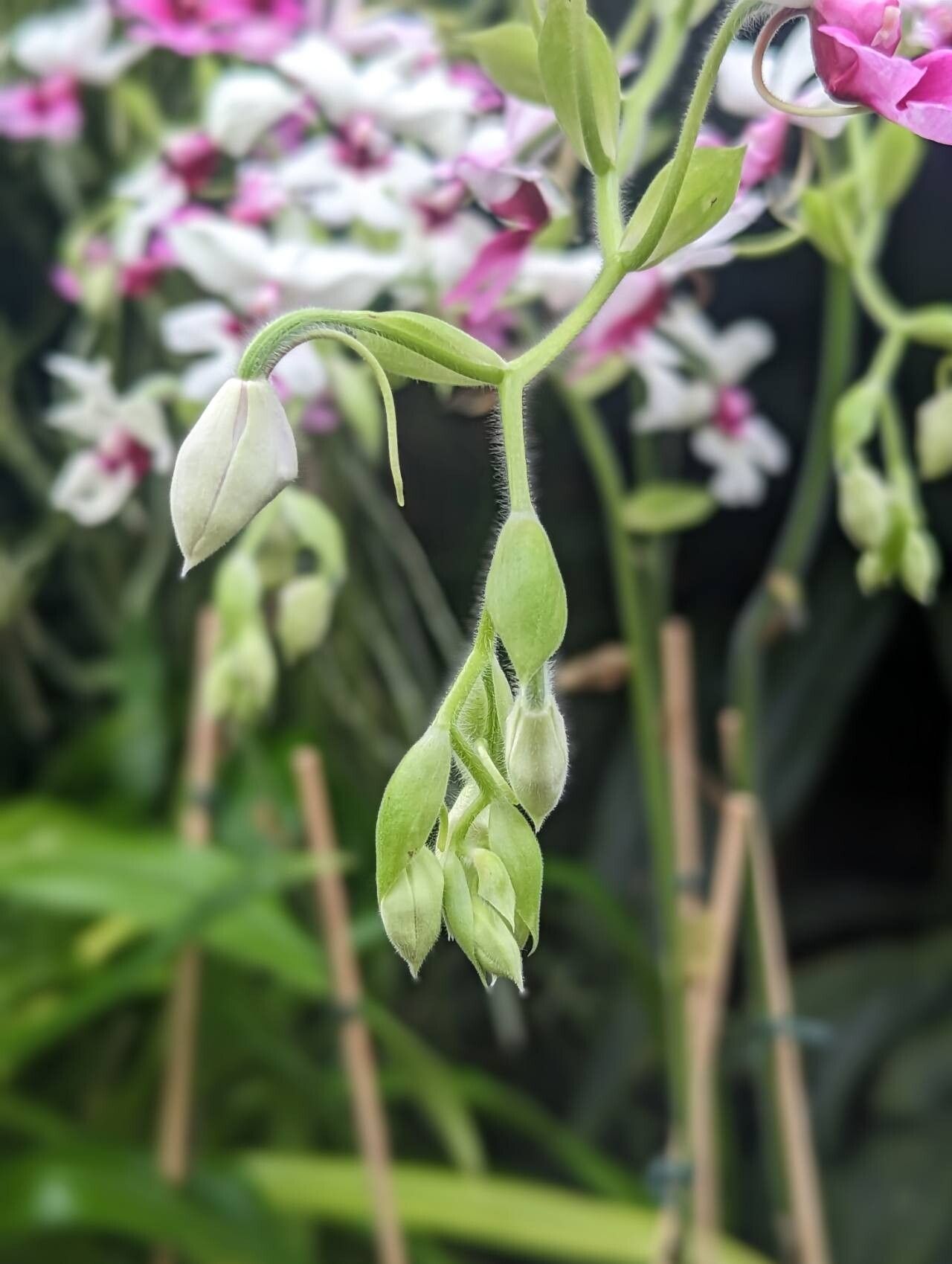
Hello there, fellow garden enthusiasts! Today, I want to share something truly special with you: the joy of bringing more Calanthe vestita into your life. If you’ve ever felt a pang of desire seeing their elegant, orchid-like blooms grace a windowsill or a shaded corner, you’re not alone. These terrestrial orchids are such a delight, with their ruffled petals and vibrant colors. And the best part? You can multiply that beauty yourself!
Now, I’ll be honest – propagating orchids can sometimes feel a bit like a delicate dance, and Calanthe vestita is no exception. It’s not quite beginner-friendly in the same way a simple pothos might be, but with a little patience and the right approach, it’s absolutely achievable and incredibly rewarding. Seeing that first new growth emerge is a feeling like no other.
The Best Time to Start
For Calanthe vestita, the absolute best time to think about propagation is right after flowering and as the plant begins its active growth phase. This usually means late spring to early summer. You’ll know it’s time when you see those plump, new pseudobulbs starting to swell and the leaves unfurling. This is when the plant has stored up plenty of energy and is eager to grow, making it much more receptive to being divided.
Supplies You’ll Need
Gathering your tools beforehand makes the whole process smoother. Here’s what I keep on hand:
- Sharp, sterile pruning shears or a clean knife: For making clean cuts.
- Sphagnum moss: High-quality, long-fiber sphagnum is excellent for retaining moisture.
- Orchid bark mix: A well-draining orchid potting mix is essential. You want something airy that won’t hold too much water.
- Small pots or containers: Clean and with good drainage holes.
- Watering can with a fine rose: For gentle watering.
- Optional: Rooting hormone: While not always strictly necessary for Calanthe, it can give a little boost.
- Optional: A heat mat: For consistent bottom warmth.
Propagation Methods
The most reliable and successful way to propagate Calanthe vestita is through division. These orchids tend to form clumps over time, and separating them is a natural way to create new plants.
- Gently remove the plant from its pot. If it’s been in the same pot for a while, it might be a bit snug. Turn the pot on its side or upside down while supporting the plant and easing it out.
- Inspect the root ball. You’re looking for natural divisions – sections of the rhizome where new pseudobulbs are forming and have their own root systems.
- Carefully tease apart the divisions. If they come apart easily, great! If they seem a bit stubborn, that’s where your sterile pruning shears or knife come in. Make a clean cut through the rhizome, ensuring each division has at least one healthy pseudobulb and a good set of roots. Try not to damage the roots any more than you have to.
- Remove any old, spent growth. Trim away any withered leaves or dried-out pseudobulbs that won’t contribute to new growth.
- Prepare your new pots. Place a layer of your orchid bark mix at the bottom.
- Pot up your divisions. Position each division in its new pot, spreading the roots gently. Fill in around the roots with more orchid bark mix, ensuring the pseudobulb is just at or slightly above the surface of the mix. You don’t want to bury it too deeply.
- Water lightly. Give your newly potted plants a gentle watering. You want to settle the mix but avoid waterlogging.
The “Secret Sauce” (Pro Tips)
Here are a few things I’ve learned over the years that make a real difference:
- Don’t overwater initially. While you want to encourage roots, newly divided plants are more susceptible to rot. Water thoroughly, then let the mix dry out a bit before watering again. This might mean watering only every 7-10 days at first, depending on your conditions.
- Provide a touch of humidity and a warm embrace. Calanthe vestita loves a bit of humidity. You can achieve this by placing the pots on a tray of pebbles filled with water (making sure the pot isn’t sitting directly in the water) or even using a small greenhouse or covering the pots loosely with a clear plastic bag for a week or two. Bottom heat, if you have a heat mat, can also really encourage root development and speed things along.
- Patience is your best friend. Newly divided plants need time to establish. Don’t expect immediate flowering. Focus on healthy leaf and pseudobulb growth first.
Aftercare & Troubleshooting
Once your divisions are potted, keep them in bright, indirect light. Avoid direct sun, which can scorch those new leaves. Continue with your gentle watering routine, allowing the potting mix to dry slightly between waterings.
The most common issue you might encounter is rot. This usually happens from overwatering, especially if the potting mix isn’t draining well or if the division is kept too wet. You’ll notice yellowing leaves that then turn mushy, or a soft, black base on the pseudobulb. If you see this, remove the affected part immediately with your sterile tool and try to keep the remaining healthy parts drier. If it’s too far gone, unfortunately, you may lose that division. It’s a learning curve, and it happens to all of us!
A Encouraging Closing
Bringing new life into your garden, no matter how small, is always a cause for celebration. Propagating Calanthe vestita is a wonderful way to share the beauty these orchids offer. Be patient with your new babies, give them good care, and before you know it, you’ll have more of these exquisite blooms to enjoy. Happy gardening!
Resource:
https://identify.plantnet.org/k-world-flora/species/Calanthe%20vestita%20Wall.%20ex%20Lindl./data