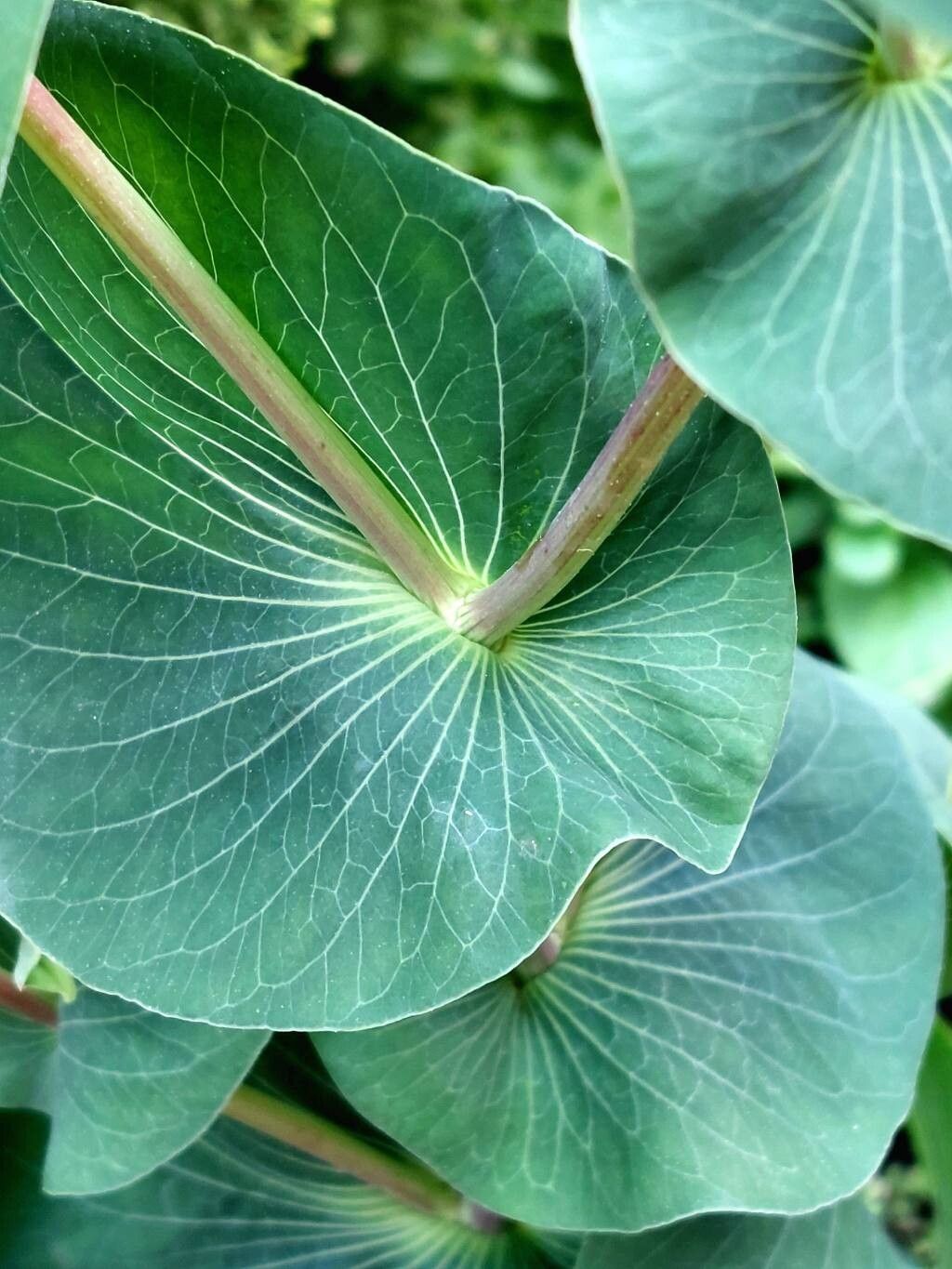
Hey there, fellow plant enthusiasts! Let’s talk about a truly delightful garden companion: Bupleurum rotundifolium, or as many of us lovingly call it, Hare’s Ear. If you’re looking for a plant that offers elegant, airy blooms and a whisper of wildflower charm, you’re in for a treat. Its delicate, chartreuse-green umbels are like little bursts of sunshine, perfect for adding texture and movement to your borders or bouquets. And the best part? Propagating it is surprisingly straightforward, making it a wonderful project for beginners and seasoned gardeners alike. Seeing new life sprout from a piece of your favorite plant is one of life’s simple, profound joys.
The Best Time to Start
For Bupleurum rotundifolium, I’ve found the magic happens in late spring or early summer. This is when the plant is actively growing and full of vigor. You’ll want to take cuttings from healthy, non-flowering shoots. If you’re considering seed propagation, sowing them directly outdoors in early spring after the last frost is usually your best bet. They appreciate a good chilling period, so if you’re starting indoors, you can sow them in late winter and keep them in a cool spot.
Supplies You’ll Need
Here’s a little toolkit to set you up for success:
- Potting Mix: A light, well-draining mix is key. I usually combine equal parts seed-starting mix and perlite for my cuttings. For seeds, a standard seed-starting mix is perfect.
- Sharp Pruning Shears or a Craft Knife: Clean cuts are crucial for preventing disease.
- Small Pots or Seed Trays: Clean containers are a must!
- Rooting Hormone (Optional, but Recommended for Cuttings): This can give those cuttings a little boost.
- Watering Can with a Fine Rose: Gentle watering is vital.
- Plastic Bags or a Clear Dome: To create a humid environment for cuttings.
- Labels: Don’t forget to label your creations!
Propagation Methods
Bupleurum rotundifolium is quite obliging when it comes to propagation. Here are my go-to methods:
Stem Cuttings
This is my favorite way to increase my stock of Hare’s Ear.
- Take Cuttings: In late spring or early summer, select healthy, young shoots that are about 4-6 inches long. Using your clean shears, make a clean cut just below a leaf node. This is where roots are most likely to form.
- Prepare the Cuttings: Gently remove the lower leaves, leaving only a few at the top. This prevents them from rotting in the soil. If you’re using rooting hormone, dip the cut end into it following the product’s instructions.
- Plant the Cuttings: Fill your small pots or seed trays with your prepared potting mix. Make a small hole with a pencil or your finger, and insert the cutting, ensuring the leaf nodes you removed are below the soil line. Firm the soil gently around the stem.
- Water and Cover: Water your cuttings gently. Then, place the pots inside a clear plastic bag, sealing it loosely, or cover the tray with a clear dome. This traps humidity, which is vital for the cuttings to form roots.
- Provide Light and Warmth: Place the cuttings in a bright spot, but out of direct sunlight. A little warmth from a sunny windowsill is perfect.
Seed Sowing
If you’re patient and love the anticipation, seeds are a great choice.
- Prepare the Seeds: Bupleurum seeds benefit from a period of cold stratification. You can achieve this by sowing them in their pots in the fall and leaving them outdoors to experience winter temperatures, or by storing them in the refrigerator in a damp paper towel for about 4-6 weeks.
- Sow the Seeds: Fill seed trays or small pots with a good quality seed-starting mix. Sow the seeds thinly on the surface of the soil and lightly cover them with about 1/8 inch of mix.
- Water Gently: Water thoroughly, but avoid disturbing the seeds.
- Keep Them Cool: For direct sowing outdoors in spring, plant them in their final position once the soil can be worked. For indoor sowing, keep them in a cool location, around 55-60°F (13-16°C). Germination can be a bit erratic, so don’t be discouraged if it takes a few weeks.
The “Secret Sauce” (Pro Tips)
Here are a couple of little tricks I’ve learned over the years that really make a difference:
- Don’t Let the Leaves Touch the Water (if water propagating): While I prefer soil propagation for Bupleurum, if you are experimenting with water, ensure none of the leaves are submerged. Rot happens quickly!
- Bottom Heat is Your Friend: For stem cuttings, providing a little warmth from beneath can significantly speed up root formation. A heat mat designed for propagation is an excellent investment if you plan to do a lot of this. It mimics the warm soil of late spring.
- Patience with Seeds: Bupleurum seeds can be notoriously slow to germinate. Don’t give up too soon! Keep the soil consistently moist and cool, and eventually, you’ll be rewarded.
Aftercare & Troubleshooting
Once your cuttings start to show signs of life – new leaf growth is the big indicator – it’s time for a bit more TLC.
- Harden Off Cuttings: Gradually introduce your rooted cuttings to the outside air for a week or two before transplanting them into larger pots or their permanent garden homes. Start by taking them out for a few hours each day, slowly increasing the time.
- Watering: Water regularly, but always allow the top inch of soil to dry out slightly between waterings. Overwatering is the quickest way to a sad end.
- Signs of Trouble: The most common culprit is rot. If your cutting turns black or mushy, it’s likely rotted. This is usually due to too much moisture and poor air circulation. Another sign of failure is a cutting that simply shrivels up and dries out – this means it didn’t form roots before it lost too much moisture.
Happy Planting!
Propagating Bupleurum rotundifolium is a truly rewarding experience. It’s a chance to learn, to connect with the plant’s life cycle, and to bring more of its breezy beauty into your garden for free! Be patient with the process, observe your plants closely, and most importantly, enjoy every moment of watching new life emerge. Happy gardening!
Resource:
https://identify.plantnet.org/k-world-flora/species/Bupleurum%20rotundifolium%20L./data