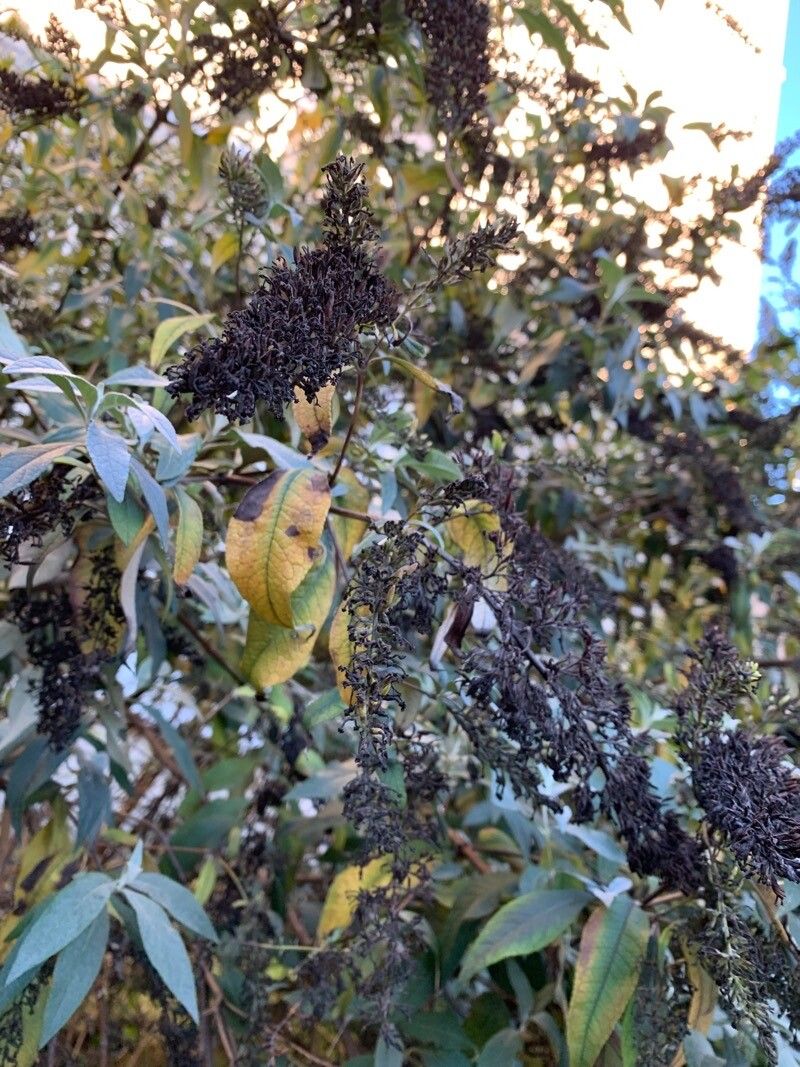
Ah, Buddleja asiatica! You know, the one with those wonderfully fragrant, cascading white flowers that just perfume the evening air. It’s such a joy to have in the garden, attracting all sorts of delightful pollinators. And guess what? Getting more of these beauties for yourself, or to share with friends, is surprisingly achievable. I’ve found it to be quite forgiving, even for those just dipping their toes into the world of propagation. So, let’s get our hands dirty and grow some more of this lovely shrub!
The Best Time to Start
For Buddleja asiatica, my go-to time for propagating is definitely late spring to early summer. This is when the plant is in its active growth phase. You’re looking for stems that have grown this year but are no longer brand new and floppy. They should have a bit of firmness to them – we call these “semi-hardwood cuttings” in garden lingo. Starting now gives your cuttings plenty of time to root and establish before the cooler weather rolls in.
Supplies You’ll Need
Gathering your tools is half the fun! Here’s what I always have on hand:
- Sharp pruning shears or secateurs: Clean cuts are crucial for healthy healing.
- Rooting hormone (powder or gel): This isn’t strictly mandatory, but it really gives your cuttings a boost.
- A good quality potting mix: I like a mix that’s light and drains well. A blend of peat moss, perlite, and a little bit of sand works wonders. Or, you can buy a seed-starting mix and add some perlite to it.
- Small pots or seedling trays: Whatever you have available, just make sure they have drainage holes.
- A plastic bag or propagator lid: To create a humid environment for your cuttings.
- Labels and a waterproof pen: So you don’t forget what you planted where!
Propagation Methods
I usually stick to the stem cutting method for Buddleja asiatica. It’s reliable and yields fantastic results.
- Select Your Cuttings: On a healthy Buddleja asiatica plant, look for those vibrant, new shoots from this season that are starting to firm up but are still flexible. You want to take cuttings that are about 4-6 inches long. Make your cut just below a leaf node (where a leaf joins the stem). This is where the magic happens, botanically speaking!
- Prepare the Cuttings: Gently remove the leaves from the lower half of the cutting. You can leave the top 2-3 leaves, but I often pinch these in half to reduce water loss. This is super important!
- Apply Rooting Hormone: Dip the cut end of the stem into your rooting hormone. Tap off any excess – you don’t want a big clump, just a light coating.
- Planting: Fill your pots or trays with your prepared potting mix. Make a small hole in the soil with a pencil or your finger. Carefully insert the lower half of the cutting into the hole, making sure the leaf nodes you cleared are below the surface. Gently firm the soil around the cutting.
- Water Gently: Water the soil thoroughly but gently. You don’t want to dislodge your cuttings.
The “Secret Sauce” (Pro Tips)
Here are a few little tricks I’ve learned over the years that really help:
- Bottom Heat is Your Friend: If you have a heat mat designed for seedlings, placing your pots on it can significantly speed up root development. Buddleja asiatica just loves a bit of warmth from below, especially when it’s struggling to start.
- Don’t Let Leaves Touch Water: Whether you’re doing water propagation or have your cuttings in pots, ensure no leaves are submerged. They will rot away, and that’s exactly what we’re trying to avoid. If they droop and touch the soil, that’s fine, but not standing water.
- Good Air Circulation (Once Rooted): While you want humidity to start, once you see roots forming, you’ll want to gradually introduce more air. Propagator lids are great for this – you can start by opening them for a few hours each day.
Aftercare & Troubleshooting
Once your cuttings are planted, cover them with a plastic bag or propagator lid to maintain humidity. Place them in a bright spot out of direct sunlight. I check them every few days, keeping the soil modestly moist. You’ll know they’re rooting when you see new leaf growth or feel some resistance when you gently tug on the cutting. This can take anywhere from four to eight weeks, so patience is key!
The most common issue you might encounter is rot. If a cutting turns black and mushy, it’s unfortunately lost. This usually happens due to too much moisture and not enough air circulation, or if you’ve overdone the watering. Just discard the rotted cutting and keep an eye on the others.
A Encouraging Closing
Don’t be discouraged if not every cutting takes. Gardening is a journey, and propagation is an art that comes with practice. Celebrate the successes, learn from the tries that don’t quite work out, and most importantly, enjoy the satisfaction of nurturing a new life from just a small piece of a plant. Happy propagating!
Resource:
https://identify.plantnet.org/k-world-flora/species/Buddleja%20asiatica%20Lour./data