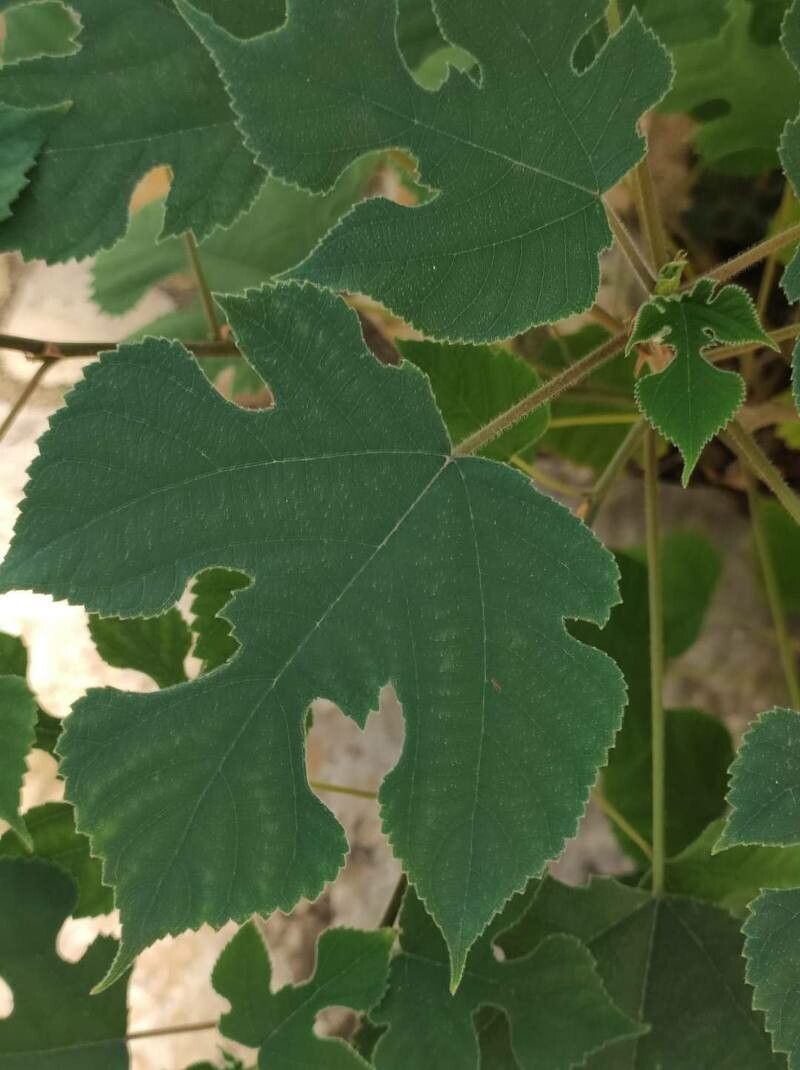
Hello, fellow garden enthusiasts! I’m so excited to chat with you today about a plant that holds a special place in my heart – Broussonetia papyrifera, or as it’s more commonly known, Paper Mulberry. This tree, with its fast-growing nature and unique, soft leaves, can really add a touch of the exotic to any garden. Plus, the satisfaction of seeing a tiny cutting transform into a thriving new plant? Well, that’s just pure gardening joy! Fortunately for us, Paper Mulberry is a pretty forgiving plant when it comes to propagation. If you’re new to the plant propagation game, this is a fantastic one to start with!
The Best Time to Start
For the absolute best chance of success with your Paper Mulberry cuttings, I always recommend working with softwood cuttings taken in late spring or early summer. This is when the plant is actively growing, full of vigor, and ready to put out new roots. You want to be looking for new growth that is flexible but no longer completely floppy. Think of it as “snap-able” but not yet woody.
Supplies You’ll Need
Gathering your supplies beforehand makes the whole process so much smoother. Here’s what I usually have on hand:
- Sharp Pruning Shears or a Craft Knife: For clean cuts that encourage healing.
- Rooting Hormone Powder or Gel: This is a real confidence booster for cuttings.
- Well-Draining Potting Mix: I like a mix of peat moss, perlite, and a little bit of compost. You can also buy specific cutting mixes.
- Small Pots or Seedling Trays: Chosen based on how many cuttings you’re taking. Make sure they have drainage holes!
- Plastic Bags or a Clear Plastic Dome: To create a humid environment.
- Watering Can with a Fine Rose: For gentle watering.
- Labels and a Pen: To keep track of what you’ve planted and when.
Propagation Methods
Paper Mulberry is wonderfully versatile! Here are a couple of my go-to methods:
Stem Cuttings: My Favorite
This is where you’ll get the most bang for your buck.
- Take Your Cuttings: On a mild morning, select healthy stems from your parent plant. Look for those ideal softwood sideshoots. Take cuttings that are about 4-6 inches long, and make your cut just below a leaf node (where a leaf stem attaches to the main stem).
- Prepare the Cuttings: Gently remove the lower leaves, leaving just a couple of leaves at the very top. If your leaves are large, you can even cut them in half to reduce water loss.
- Apply Rooting Hormone: Dip the cut end of each stem into your rooting hormone. Tap off any excess so you have a light coating.
- Plant the Cuttings: Fill your pots with your prepared potting mix and moisten it thoroughly. Make a small hole in the center of the soil with a pencil or your finger. Insert the cutting, ensuring the nodes where you removed leaves are below the soil surface. Gently firm the soil around the stem.
- Create a Humid Environment: Water gently again. Then, pop a plastic bag over the pot, securing it with a rubber band, or place the pots under a clear plastic dome. If using a bag, try to ensure it doesn’t touch the leaves.
Water Propagation: Simple and Satisfying
This is a great visual method, and you can see the roots form!
- Prepare Your Cuttings: Follow steps 1 and 2 from the stem cutting method.
- Place in Water: Find a clean jar or vase. Fill it with fresh, clean water. Place your cuttings in the water, making sure that no leaves are submerged. Only the stem should be in the water.
- Find a Bright Spot: Place the jar in a bright location, but out of direct sunlight.
- Change Water Regularly: Change the water every few days to keep it fresh and prevent rot. You’ll start to see little white nubs appearing, which are the beginnings of roots!
The “Secret Sauce” (Pro Tips)
Here are a few things I’ve learned over the years that really make a difference:
- Bottom Heat is Your Friend: Providing gentle warmth from below, especially for stem cuttings, can dramatically speed up root development. A seedling heat mat works wonders! It tells the plant, “Hey, it’s time to get growing!”
- Don’t Overwater: This is probably the most common mistake! Cuttings sitting in soggy soil are far more likely to rot than to root. The goal is evenly moist, not waterlogged, soil. If you can, give them a gentle misting now and then instead of a heavy watering.
- Patience is Key (and a Good Location): While Paper Mulberry is vigorous, new roots take time. Find a spot that’s warm, bright, and out of harsh, direct sun. Resist the urge to constantly poke and prod your cuttings; let them settle in and do their thing.
Aftercare & Troubleshooting
Once your cuttings have developed a good root system – you can gently tug on them to feel resistance, or if in water, you’ll see them clearly – it’s time to move them into their own pots!
- Potting Up: Use a slightly larger pot filled with your regular potting mix or a good quality loam-based compost. Water them in well after transplanting.
- Gradual Acclimation: If your cuttings were under a plastic dome or in a bag, gradually introduce them to drier air over a few days. Start by lifting the cover for an hour or two, then longer each day, before removing it completely.
- Watch for Rot: The biggest sign of trouble is mushy, black stems, especially at the soil line. This is usually a sign of overwatering or poor drainage. If you see this, it’s sadly best to discard the affected cutting and review your watering and drainage practices. Sometimes, cuttings just don’t take, and that’s okay! Don’t get discouraged.
A Little Encouragement
Propagating plants is such a rewarding journey of observation and care. With Paper Mulberry, you’ve got a great chance of success. Be patient, enjoy the process of watching those tiny roots emerge, and soon you’ll have a whole new generation of these beautiful trees to share or plant in your own garden. Happy propagating, everyone!
Resource: