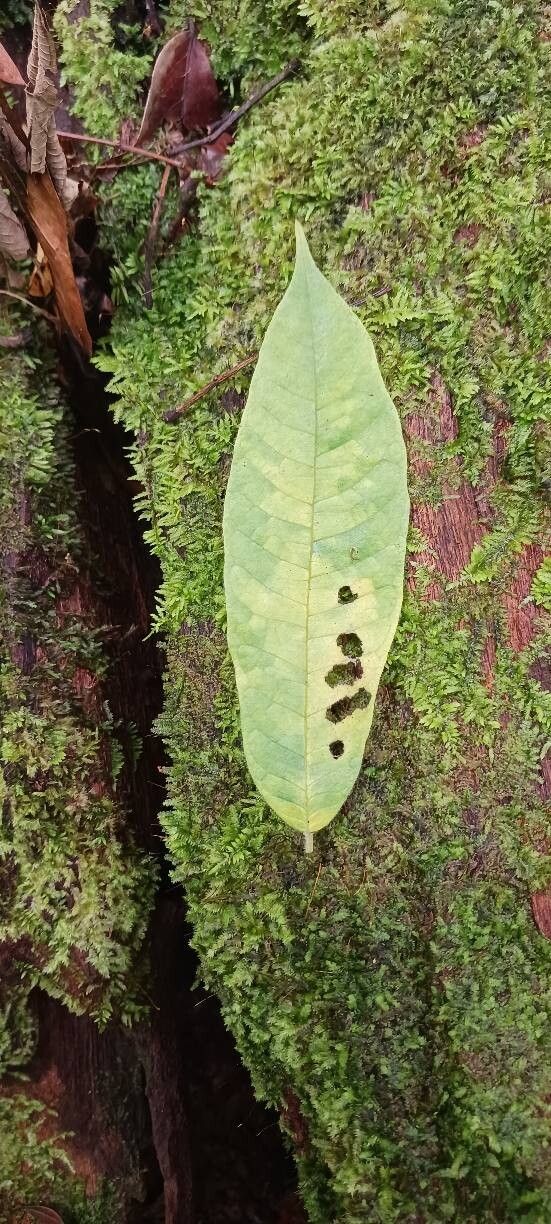
Oh, hello there! Come on in and pull up a chair. I’ve got a fresh pot of coffee brewing, and I’m so excited to chat with you about Brosimum acutifolium. If you’re anything like me, you’ve probably admired this gorgeous plant for its lush, glossy leaves and its beautifully architectural form. It really brings a touch of the tropics right into our homes, doesn’t it?
Propagating your own Brosimum acutifolium is incredibly rewarding. There’s a special kind of magic in taking a small piece of your beloved plant and nurturing it into a whole new life. It’s a way to share the beauty, expand your collection, or even gift a living piece of art to a friend. Now, I won’t lie – it can be a little tricky sometimes, so if you’re brand new to plant propagation, you might want to start with something a touch easier, like a pothos or a spider plant. But with a little patience and these tips, you absolutely can succeed with Brosimum acutifolium!
The Best Time to Start
When it comes to getting your cuttings to root, spring and early summer are your best friends. This is when the plant is actively growing and has the energy to push out new roots. Look for stems that are healthy, firm, and showing signs of new growth, rather than woody, old stems or flimsy new shoots.
Supplies You’ll Need
Gathering your supplies beforehand makes the whole process so much smoother. Here’s what you’ll want on hand:
- Sharp, clean pruning shears or a sharp knife: For making those crucial cuts without crushing the stem.
- Rooting hormone (optional, but recommended): This stuff is a great booster, helping to encourage root development.
- A well-draining potting mix: I like a blend of peat moss or coco coir, perlite, and a bit of compost. For Brosimum, something that holds a little moisture but dries out quickly is key.
- Small pots or propagation trays: With drainage holes, of course!
- A clear plastic bag or propagation dome: To create a humid microclimate.
- Water: For misting and for water propagation methods.
- Rubbing alcohol or bleach solution: For sanitizing your tools between cuts.
Propagation Methods
I’ve found the most reliable way to propagate Brosimum acutifolium is through stem cuttings. Here’s how I do it:
Stem Cuttings:
- Select your cutting: Choose a healthy, semi-hardwood stem. You’re looking for a stem that’s not too soft and green, but not completely woody either. Aim for a piece about 4-6 inches long, with at least two or three leaf nodes (where the leaves emerge from the stem).
- Make the cut: Using your sterilized pruning shears or knife, make a clean cut just below a leaf node. This is where the plant is most likely to produce roots.
- Prepare the cutting: Gently remove the leaves from the bottom half of the cutting. If your cutting has very large leaves, you can cut them in half horizontally to reduce water loss through transpiration.
- Apply rooting hormone (optional): Dip the cut end of the stem into your rooting hormone, tapping off any excess.
- Plant your cutting: Fill your small pot with your well-draining potting mix. Make a hole in the center with your finger or a pencil, and insert the cutting, making sure at least one leaf node is buried in the soil. Gently firm the soil around the stem.
- Water and cover: Water the potting mix thoroughly until it’s evenly moist. Then, cover the pot with a clear plastic bag or propagation dome to maintain high humidity. You can support the bag with a few stakes so it doesn’t touch the leaves.
- Find a good spot: Place the pot in a bright location with indirect light. Avoid direct sunlight, which can scorch the leaves and dry out the cutting.
The “Secret Sauce” (Pro Tips)
Here are a few tricks I’ve picked up over the years that can really make a difference:
- Bottom Heat is Your Friend: Brosimum loves a bit of warmth from below to encourage root growth. A heating mat designed for seedlings placed under your pots can significantly speed up the rooting process. Just make sure the soil doesn’t dry out when you’re using one.
- Don’t Drown Your Dreams (or Your Cuttings!): While humidity is crucial, overwatering is the quickest way to lose a cutting to rot. The soil should always feel evenly moist, but never soggy. I like to check it daily and only water when the top inch of soil starts to feel a little dry.
- Patience, My Friend, Patience: Brosimum acutifolium can be a slow starter. Don’t be discouraged if you don’t see new growth within a few weeks. Inspect the cutting gently by giving it a tiny tug. If you feel resistance, it means roots are forming!
Aftercare & Troubleshooting
Once you see new leaves or feel that gentle resistance when tugging, your cutting has officially rooted! At this point, you can start to gradually acclimate it to normal household humidity by slowly opening the plastic bag or dome over a few days.
Keep the soil consistently moist, but not wet, and continue to provide bright, indirect light.
The most common problem you might encounter is rot. This usually happens due to overwatering and poor air circulation, leading to a mushy, dark stem. If you see this, unfortunately, that cutting is likely lost. The best prevention is good sanitation and careful watering. Another sign that things aren’t going well is if the leaves start to yellow and drop rapidly. This could indicate too much direct light, the air being too dry, or the cutting not getting enough energy from any developing roots.
A Encouraging Closing
Growing new plants is such a joy, and seeing your Brosimum acutifolium cutting develop into a thriving individual is an accomplishment you’ll be proud of. Remember to be patient, observe your cuttings closely, and don’t be afraid to experiment a little. Every gardener learns through trial and error, and that’s part of the fun. Happy propagating!
Resource:
https://identify.plantnet.org/k-world-flora/species/Brosimum%20acutifolium%20Huber/data