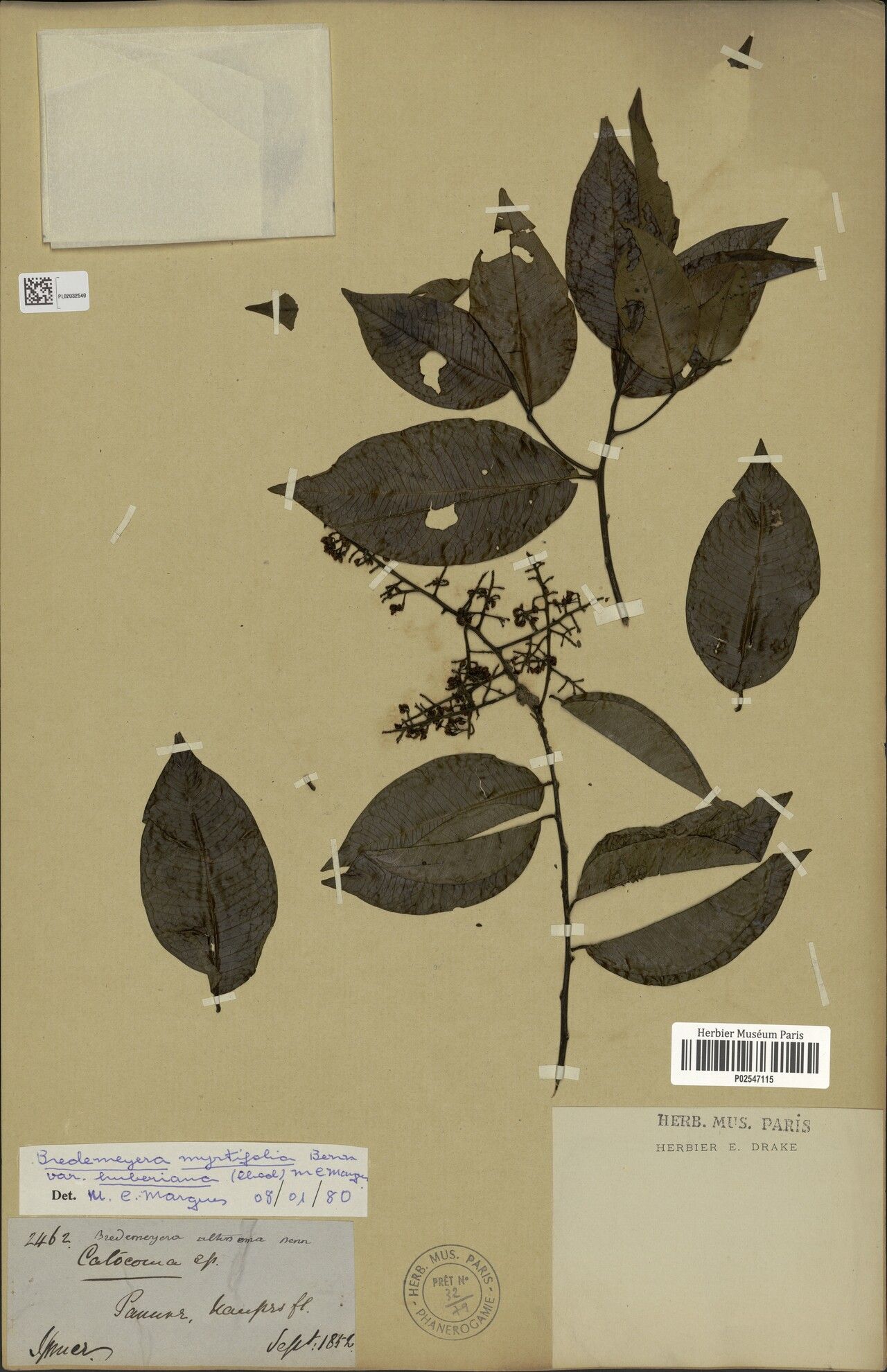
Let’s talk about Bredemeyera myrtifolia. You know, that lovely shrub with the delicate, glossy leaves and charming little flowers. I’ve always found it such a delight in the garden, a real understated beauty. And the wonderful thing is, it’s not particularly fussy, which makes bringing new ones into existence a truly rewarding endeavor. Honestly, if you’ve got a bit of patience, you can absolutely do this. It’s a joy to see a tiny piece of your favorite plant flourish into its own mini-me.
The Best Time to Start
For the most success with Bredemeyera myrtifolia, I always aim for late spring or early summer. This is when the plant is actively growing and has plenty of energy. You’re looking for stems that are still flexible and green, not woody and old. Think of it as catching the plant at its peak vigor.
Supplies You’ll Need
Here’s what I usually pull together before I start:
- Sharp pruning shears or a clean craft knife: For making clean cuts.
- Rooting hormone (optional but recommended): A little boost can go a long way. Look for one formulated for cuttings.
- A well-draining potting mix: I like a mix of peat moss, perlite, and a little bit of compost. Or you can buy a commercial seed-starting mix.
- Small pots or propagation trays: Clean ones are a must to prevent disease.
- A clear plastic bag or propagation dome: To create a humid environment.
- Water: For misting and watering.
- Labels: To remember what you’ve propagated and when!
Propagation Methods: Stem Cuttings
This is my go-to method for Bredemeyera myrtifolia. It’s reliable and gives you a good chance of success.
- Take Your Cuttings: Find a healthy stem on your parent plant. Using your sharp pruning shears or knife, take a cutting about 4-6 inches long. Make the cut just below a leaf node (where a leaf attaches to the stem).
- Prepare the Cuttings: Gently remove the lower leaves from the cutting, leaving just 2-3 sets of leaves at the top. You want to expose the nodes where roots will form. If your leaves are quite large, you can even cut them in half horizontally to reduce water loss.
- Apply Rooting Hormone (Optional): Dip the cut end of the stem into your rooting hormone powder or gel. Tap off any excess.
- Plant the Cuttings: Fill your small pots with your well-draining potting mix. Make a small hole in the center of the mix with your finger or a pencil. Insert the prepared cutting into the hole, making sure the nodes where you removed the leaves are buried. Gently firm the soil around the base of the cutting.
- Water Gently: Water the soil until it’s moist but not waterlogged.
- Create a Humid Environment: Place a clear plastic bag over the pot, securing it at the rim with a rubber band. You can also use a propagation dome. This traps moisture and creates the humid microclimate cuttings need.
The “Secret Sauce” (Pro Tips)
Here are a couple of things I’ve learned over the years that really help:
- Don’t let those top leaves droop into the water if you’re misting. If they sit in water for too long, they’ll start to rot, and that’s not what we want. Just aim for the soil.
- Think about bottom heat. Placing your pots on a seedling heat mat can significantly speed up root development. It mimics the warmth of the soil in summer and gives those little roots a cozy place to start forming.
Aftercare & Troubleshooting
Once your cuttings are planted, keep them in a bright spot, but out of direct, harsh sunlight. A small amount of indirect light is perfect. Mist them regularly or check the soil moisture and water when the top inch feels dry. The goal is consistent moisture without being soggy.
You’ll know your cuttings are rooting when you see new leaf growth or feel a slight resistance when you gently tug on the cutting. This usually takes a few weeks to a couple of months. Once they have a good root system, you can gradually acclimatize them to normal conditions by opening the plastic bag a little more each day. Eventually, you can remove it completely.
The most common sign of failure is rotting. If your cuttings turn black and mushy, it’s usually a sign of too much moisture and not enough air circulation. If you see this, unfortunately, it’s best to discard them and try again.
A Encouraging Closing
Growing new plants from cuttings is such a satisfying journey. Be patient with your little Bredemeyera myrtifolia babies, don’t be discouraged if not every single one makes it – that’s part of the learning process! Just enjoy the magic of watching something grow from a simple twig. Happy propagating!
Resource:
https://identify.plantnet.org/k-world-flora/species/Bredemeyera%20myrtifolia%20A.W.Benn./data