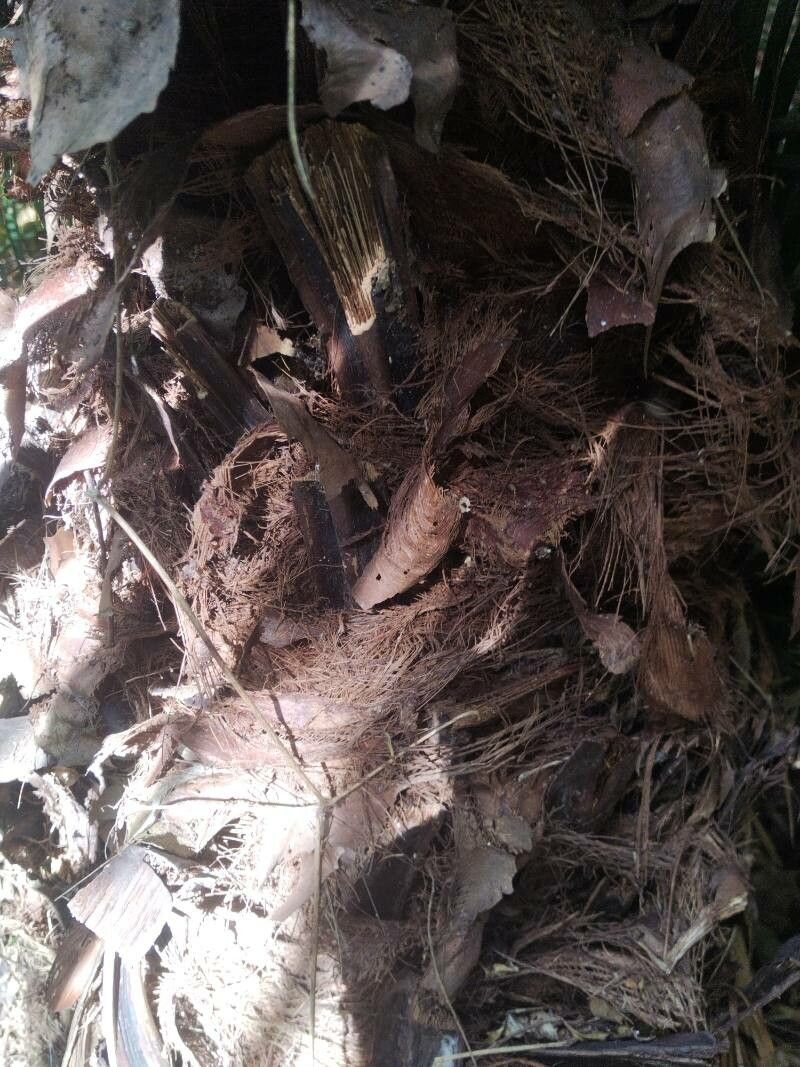
Oh, hello there! Come on in and grab a mug. I’m so glad you’re curious about propagating Brahea salvadorensis. This palm, with its elegant, fan-shaped leaves and silvery undersides, is truly a stunner. Seeing a new little palm emerge from your efforts is one of the most satisfying feelings in gardening, don’t you think? It’s a bit of a patient game, this palm propagation, but absolutely doable.
The Best Time to Start
For Brahea salvadorensis, like many palms, spring and early summer are your golden windows for propagation. This is when the plant is actively growing and has the most energy to put into rooting. You’re essentially working with its natural desire to grow, so you’re giving it the best possible head start.
Supplies You’ll Need
Before we get our hands dirty, let’s gather our tools. Think of this as your propagation toolkit:
- Sharp Pruning Shears or a Clean Knife: For making clean cuts.
- Well-Draining Potting Mix: A blend of peat moss, perlite, and sand is excellent. You can also find specialized palm mixes.
- Small Pots or Seed Trays: With drainage holes, of course!
- Rooting Hormone (Optional but Recommended): Especially for woody cuttings. Look for one with a good concentration of IBA.
- Clear Plastic Bag or Propagator Lid: To create a humid environment.
- Spray Bottle: For misting.
- Water: Room temperature is best.
Propagation Methods
Most gardeners propagate Brahea salvadorensis from seeds, which is the most reliable and common method. While splitting an older clump might seem tempting, these palms tend to clump less readily than some other species.
Propagating from Seed (The Classic Approach):
- Gather Your Seeds: Look for the fruits of your Brahea salvadorensis. They are typically dark purple to black when ripe. Gently remove them from the fruiting stalk.
- Clean the Seeds: Wash the seeds thoroughly to remove any lingering fruit pulp. This helps prevent fungal issues. I like to soak them in a mild solution of hydrogen peroxide and water for a few minutes, then rinse again.
- Soak the Seeds: Brahea salvadorensis seeds have tough coats. Soaking them in warm water for 24-48 hours will help soften that coat and encourage germination. Change the water a couple of times if you’re soaking for the full 48 hours.
- Planting Time: Fill your pots or trays with your well-draining potting mix. Make the soil slightly moist.
- Sow the Seeds: Plant the soaked seeds about 1/2 inch deep. Space them a few inches apart if using a tray, or one per small pot.
- Create Humidity: Gently water the soil and then cover the pots with a clear plastic bag or propagator lid. This will trap moisture and create a mini-greenhouse effect.
- Placement is Key: Set the pots in a warm location, ideally with bottom heat. A heating mat designed for seed starting works wonders. Bright, indirect light is what they need.
- Patience, My Friend: This is where the real test of your patience comes in. Brahea salvadorensis seeds can take anywhere from 6 months to over a year to germinate. Keep the soil consistently moist but not waterlogged.
The “Secret Sauce” (Pro Tips)
- Don’t Rush the Soak: While 24-48 hours is a good guideline, if you have the time and the seeds are fresh, a longer soak (even a week, with water changes) can sometimes improve germination rates. Just keep an eye out for any signs of mold.
- Warmth, Warmth, Warmth: I can’t stress enough how much consistent bottom heat makes a difference with palm seeds. It mimics being in their native tropical environment and significantly speeds up the process, even if it’s still a long one.
- Stratification Trick (Experimental): For really stubborn seeds, some growers have had success with a period of stratification. This involves mixing seeds with damp sphagnum moss in a sealed bag and storing them in the refrigerator for a few months before planting. It’s a bit more involved, but can sometimes push older or reluctant seeds into action.
Aftercare & Troubleshooting
Once you see that first tiny seedling emerge, congratulations! It’s a momentous occasion.
- Gradual Acclimation: Don’t immediately rip off the plastic cover. Gradually introduce your seedlings to fresh air by opening the bag or lid a little more each day over a week.
- Light Intensity: They’ll still appreciate bright, indirect light. Avoid direct scorching sun, which can damage delicate seedlings.
- Watering: Water gently when the top inch of soil feels dry. Avoid the urge to overwater; root rot is the primary enemy here.
- Fertilizing: Wait until your seedling has a few sets of true leaves before considering a very dilute, balanced liquid fertilizer.
Common Signs of Failure:
- Mold or Fungus: Usually a sign of too much moisture or poor air circulation. Remove any affected seedlings and try to improve conditions.
- Seed Remains Soft and Mushy: This indicates the seed has rotted before germinating, often due to waterlogged soil.
- No Growth After a Very Long Time: Sometimes, no matter what we do, a seed just won’t germinate. It’s a natural part of the process. Don’t take it personally!
A Encouraging Closing
Propagating Brahea salvadorensis is an exercise in patience and persistence, but the reward of watching these beautiful palms grow from tiny seeds is truly worth the wait. Enjoy the journey, celebrate every little milestone, and remember that every gardener, myself included, has had their share of failed attempts. Keep trying, and you’ll soon be surrounded by your own silvery beauties!
Resource: