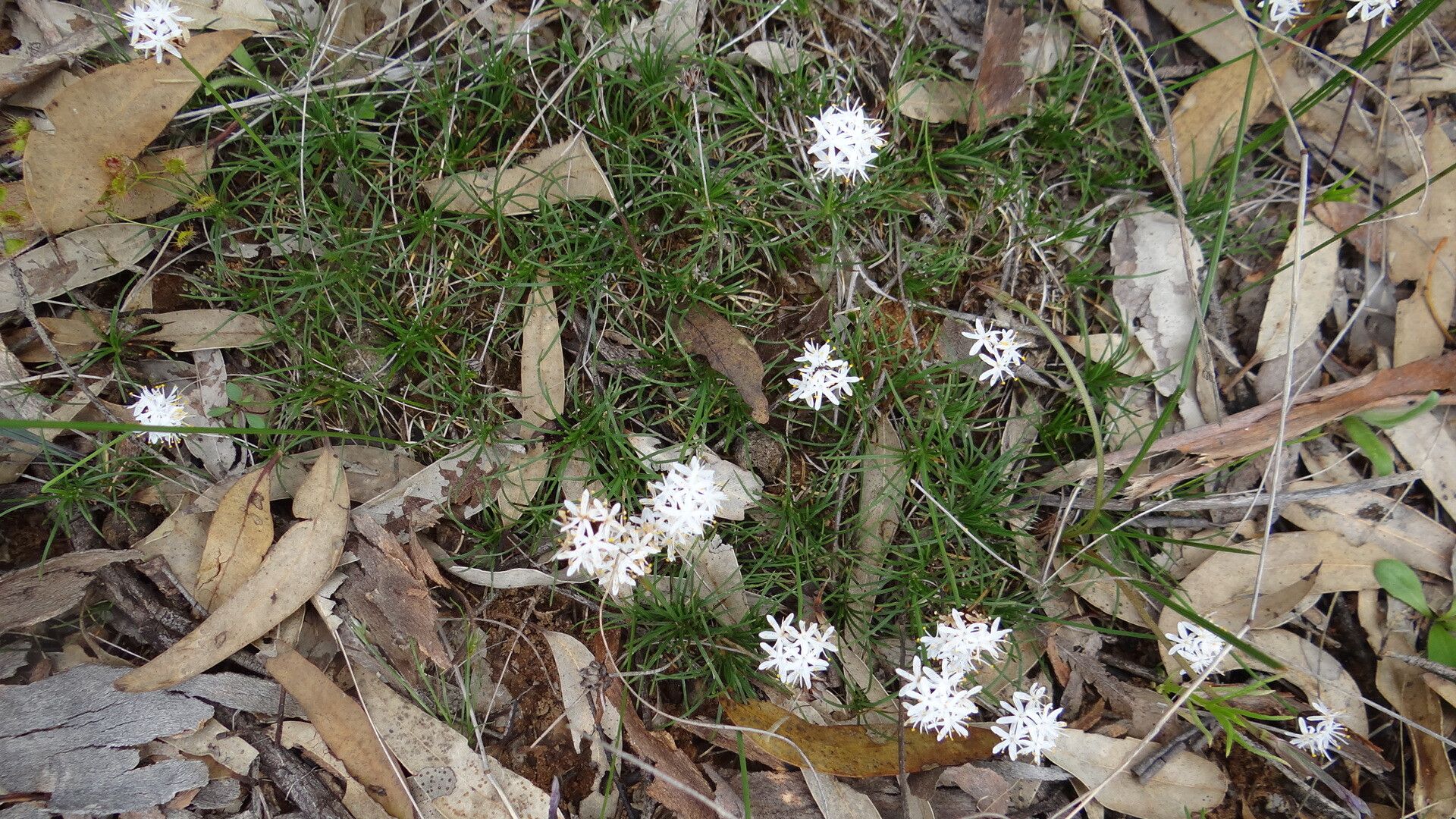
Hello, fellow garden lovers! Today, we’re diving into the wonderful world of Borya constricta. If you’ve ever admired its delicate, grass-like foliage and subtle, spiky flower heads, you know the quiet charm it brings to any space. And the best part? You can multiply that charm! Propagating Borya constricta is a really rewarding experience. It’s not one of those finicky plants that makes you tear your hair out, but it definitely has its own little quirks that make success even sweeter. For beginners, I’d say it’s moderately doable. You’ll need a little patience and attention to detail, but the results are well worth it.
The Best Time to Start
For the highest success rate with Borya constricta, I always recommend propagating during its active growing season. This typically falls in the late spring and early summer. The plant is energized and ready to put out new growth, making it much more receptive to rooting. Starting during this period also gives your new cuttings plenty of time to establish before cooler weather sets in.
Supplies You’ll Need
Gathering your tools beforehand makes the whole process much smoother. Here’s what I always have on hand:
- Sharp, clean pruning shears or a sharp knife: Essential for making clean cuts that heal nicely.
- Well-draining potting mix: A mix designed for succulents or cacti works wonders. You can also create your own by combining equal parts potting soil, perlite, and coarse sand.
- Small pots or trays: Clean pots with drainage holes are a must.
- Rooting hormone (optional but recommended): This can significantly speed up root development, especially for trickier propagations.
- Peat or coir: Some methods benefit from these to retain a touch of moisture without waterlogging.
- Watering can or spray bottle: For gentle watering.
- Plastic bags or a propagation dome: To help maintain humidity around the cuttings.
- Labels and a marker: To keep track of what you’ve planted and when.
Propagation Methods
Borya constricta is most commonly and successfully propagated through division or stem cuttings.
Division
This is often the easiest method for established plants.
- Gently unpot your Borya constricta. Try to loosen the soil from the root ball.
- Examine the root system. You’ll likely see distinct clumps or sections of the plant emerging from the base.
- Carefully separate these clumps. You can use your hands to gently tease them apart, or if the roots are very dense, you might need to use a clean knife or even a trowel to slice through the root ball. Aim to get a section with a decent amount of roots and some leafy growth for each new plant.
- Pot each division into its own container with your well-draining potting mix.
- Water lightly to settle the soil.
- Place in bright, indirect light and keep the soil lightly moist until you see signs of new growth.
Stem Cuttings
This method involves taking cuttings from the parent plant.
- Select a healthy stem that’s about 4-6 inches long.
- Make a clean cut just below a leaf node using your sharp shears or knife. Removing any lower leaves so there are no foliage parts that will be buried in the soil is important.
- (Optional) Dip the cut end of the stem into rooting hormone, tapping off any excess.
- Plant the cutting about an inch deep in your prepared, well-draining potting mix.
- Mist the soil lightly and cover the pot with a plastic bag or propagation dome to create a humid environment.
- Place in bright, indirect light. Avoid direct sun, which can scorch delicate cuttings.
- Check periodically. Keep the soil barely moist, not soggy. You should see roots developing within 4-8 weeks, indicated by new growth.
The “Secret Sauce” (Pro Tips)
Here are a couple of little tricks I’ve learned that can really boost your success rate:
- “Let it callous”: Before you even put stem cuttings into soil, especially if you’re not using rooting hormone, let the cut end sit out in a dry, airy spot for a day or two. This allows the cut to form a protective scab, which helps prevent rot when it goes into the soil. It’s like giving the plant a little “bandage.”
- “Don’t drown your roots”: When you’re watering your divisions or newly potted cuttings, err on the side of caution. Borya constricta likes good drainage and hates sitting in soggy soil. It’s much easier to revive a slightly dry plant than one suffering from root rot. A light misting or gentle watering is often all they need initially.
Aftercare & Troubleshooting
Once your cuttings or divisions show signs of new growth – that’s your signal that roots are forming!
- Gradually acclimate them. If you’ve used a humidity dome or plastic bag, start by removing it for a few hours each day. Once they’re showing consistent new growth, you can remove it permanently.
- Continue with bright, indirect light.
- Water only when the top inch of soil feels dry.
- Avoid fertilizing for at least a few months until the plant is well-established.
The most common issue you might face is rot. If your cutting looks mushy, turns black, or smells unpleasant, it’s likely rot. This is usually a sign of too much moisture and not enough air circulation. If you catch it early, you can sometimes salvage a healthy part of the stem and try again, making sure to improve drainage and reduce watering. Wilting can also occur if the environment is too dry, or if the roots haven’t quite established yet. Ensure consistent, but not excessive, moisture.
A Encouraging Closing
Growing new plants from cuttings or divisions is such a fulfilling part of gardening. It connects you more deeply to your plants and allows you to share their beauty. Be patient with your Borya constricta, give it the right conditions, and enjoy watching it grow. Happy propagating!
Resource:
https://identify.plantnet.org/k-world-flora/species/Borya%20constricta%20Churchill/data