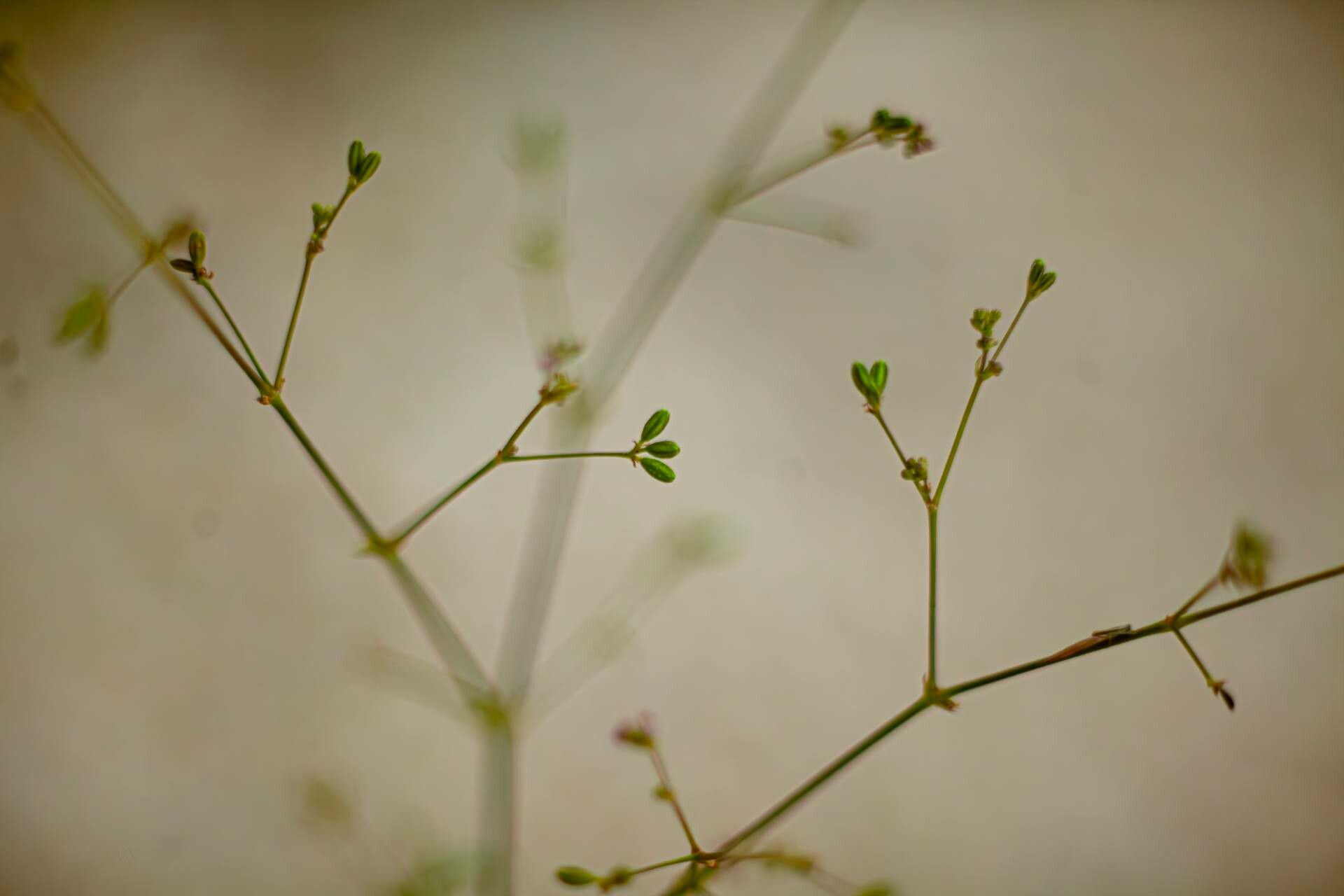
Hello, fellow green thumbs! I’m so excited to chat with you today about a truly special plant: Boerhavia diffusa. You know, the one with those lovely, delicate leaves and a surprisingly resilient spirit. If you’re looking for a plant that adds a touch of understated beauty to your garden without demanding a whole lot of fuss, Boerhavia diffusa is a wonderful choice. And the best part? It’s quite rewarding to propagate! For beginners, I’d say this one is moderately easy – a little bit of attention and you’ll be rewarded with new plants in no time.
The Best Time to Start
When it comes to coaxing new life from your existing Boerhavia diffusa, my personal favorite time is late spring or early summer. This is when the plant is really hitting its stride, fueled by increasing daylight and warmer temperatures. Propagating during this peak growth phase gives your cuttings the best chance to establish quickly and robustly. Think of it as giving them the warmest bed and the longest growing season to get their feet under them!
Supplies You’ll Need
Before we dive into the fun part, here’s a little list of what you’ll want to have on hand:
- Sharp pruning shears or a clean knife: For making those crucial, clean cuts.
- Well-draining potting mix: A good blend for succulents or a general potting mix amended with perlite or pumice works beautifully.
- Small pots or propagation trays: With drainage holes, of course!
- Rooting hormone (optional): I find it helpful, especially for stem cuttings, though Boerhavia diffusa can often root without it.
- A spray bottle: For misting.
- Clear plastic bags or a propagator: To create a humid environment if needed.
Propagation Methods
Let’s get our hands dirty! Boerhavia diffusa is wonderfully versatile, and I’ve had great success with a couple of methods.
Stem Cuttings
This is my go-to method for increasing my collection.
- Take your cuttings: In the late spring or early summer, use your sharp pruning shears to snip off healthy stems. Aim for pieces that are about 4-6 inches long. Make your cut just below a leaf node, which is where roots are most likely to form.
- Prepare the cuttings: Gently remove the lower leaves from the cutting. You want to expose the node where you’ll eventually see roots emerge.
- Apply rooting hormone (optional): If you’re using rooting hormone, dip the cut end of the stem into it. Tap off any excess.
- Plant the cuttings: Fill your small pots or trays with the well-draining potting mix. Make a small hole with your finger or a pencil and insert the prepared cutting. Gently firm the soil around the base.
- Water lightly: Water the soil thoroughly but gently. You don’t want to waterlog it.
- Provide humidity: This is where a clear plastic bag or propagator comes in handy. Cover the pots to create a mini-greenhouse effect. You can also pop them into a warm spot.
Division (for established plants)
If you have a mature plant that’s looking a bit crowded, division is a great way to get more plants and give your original a boost.
- Gently remove the plant: Carefully take your established Boerhavia diffusa out of its pot.
- Examine the root ball: Gently loosen the soil to see where the plant naturally divides. You’re looking for sections with their own roots and foliage.
- Separate the sections: With clean hands or a dull knife, gently pull or cut the plant into smaller sections. Each section should have a good amount of roots and at least one stem with leaves.
- Pot up the divisions: Plant each division into its own pot with the well-draining potting mix, watering lightly afterwards.
The “Secret Sauce” (Pro Tips)
Here are a couple of little tricks I’ve learned over the years that really seem to help:
- Let cuttings “callus”: After taking stem cuttings, I often let them sit out for a few hours (or even overnight) in a dry spot. This allows the cut end to dry and form a slight callus. I find this reduces the risk of rot when they go into the soil.
- Bottom heat is your friend: If you have a heat mat designed for seedlings, placing your propagation trays on it can make a huge difference. Consistent warmth from below encourages roots to form much faster. It’s like giving your cuttings a cozy underfloor heating system!
Aftercare & Troubleshooting
Once you see those precious little roots peeking out from the drainage holes or new growth emerging, congratulations! It’s time to transition them.
- Reduce humidity: Gradually introduce your new plants to drier air. Remove the plastic bag or propagator for increasingly longer periods over a week or so.
- Light and water: Move them to a spot with bright, indirect light. Continue to water when the top inch of soil feels dry.
- Watch for rot: The biggest challenge you might face is rot. If you see stem cuttings wilting and turning mushy at the base, it’s likely due to overwatering or poor drainage. Don’t be discouraged if a few don’t make it; it’s part of the learning process. If you see signs of rot, try to trim away the affected parts with a clean blade and repot in fresh, dry soil.
A Little Patience, A Lot of Joy
Propagating Boerhavia diffusa is such a rewarding experience. It’s a beautiful way to share a plant you love and to fill your home or garden with more of its charm. Be patient with the process. Sometimes roots take their sweet time, and that’s perfectly okay. Just keep providing good conditions, and enjoy watching those tiny roots develop into a whole new plant! Happy propagating!
Resource:
https://identify.plantnet.org/k-world-flora/species/Boerhavia%20diffusa%20L./data