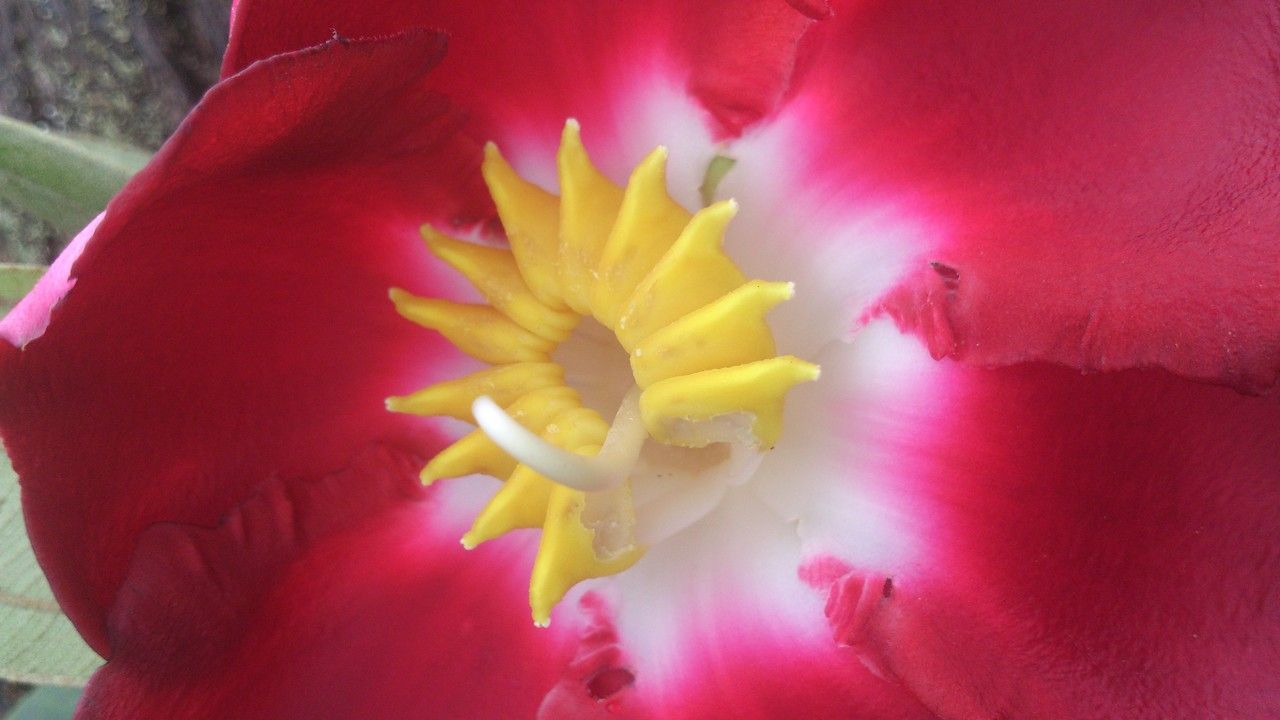
Hello, fellow garden enthusiasts! Today, I want to talk about a plant that has truly captured my heart in my 20 years of digging in the dirt: Blakea scarlatina. If you’re looking for a touch of the exotic, with its stunning, almost fiery red new growth that matures to a deep green, then this might be just the specimen for you. But the real joy comes from bringing more of these beauties into existence yourself.
Propagating Blakea scarlatina can be a deeply satisfying endeavor. It’s not one of those plants that throws cuttings around like confetti, but with a little patience and understanding, it’s absolutely achievable, even for those newer to the propagation game. Think of it as a gentle dance with nature, rather than a wrestling match.
The Best Time to Start
When it comes to getting the best bang for your propagation buck, late spring to early summer is your sweet spot. This is when the plant is actively growing, and those lovely new shoots are full of energy and ready to root. You’re essentially working with vigorous, youthful material, which always has a better chance of success.
Supplies You’ll Need
Before we get our hands dirty, let’s gather our tools. Having everything ready makes the process so much smoother.
- Sharp, clean pruning shears or a craft knife: The cleaner the cut, the better the chance of rooting and less chance of disease.
- Rooting hormone powder or gel: This is a game-changer for many woody plants. It encourages strong, healthy root development.
- A well-draining potting mix: I like a blend of peat moss, perlite, and coarse sand – about a 1:1:1 ratio works wonders. Some also use a mix of coco coir for a more sustainable option.
- Small pots or propagation trays: Clean containers are essential.
- Plastic bags or a propagator: This creates that humid environment cuttings crave.
- A spray bottle: For gentle misting.
- Labels and a waterproof pen: Don’t forget to label your precious cuttings!
Propagation Methods
While Blakea scarlatina can be a bit particular, stem cuttings are generally your most reliable method.
- Select Your Cuttings: Look for healthy, semi-hardwood stems. These are usually found on the current season’s growth that has started to firm up slightly, but isn’t old and woody. You want stems that are flexible but not floppy. Aim for pieces that are about 4-6 inches long.
- Make the Cut: Using your clean shears or knife, make a clean cut just below a leaf node. Nodes are those little bumps on the stem where leaves emerge – this is where the magic happens and roots will form. Remove any flowers or flower buds.
- Prepare the Cutting: Gently remove the lower leaves from the cutting, leaving just a few at the top. This prevents them from rotting in the soil.
- Apply Rooting Hormone: Dip the cut end of the stem into your rooting hormone, ensuring it’s well coated. Tap off any excess.
- Plant Your Cuttings: Make a hole in your prepared potting mix with a pencil or dibber, then insert the cutting. Gently firm the soil around the stem, ensuring good contact.
- Create Humidity: Water the soil gently so it’s moist but not waterlogged. Then, cover the pots with a plastic bag or place them inside a propagator. You want to create a humid microclimate. Keep them out of direct sunlight; bright, indirect light is ideal.
The “Secret Sauce” (Pro Tips)
After years of coaxing plants to grow, a few little tricks always seem to help:
- My absolute favorite tip for almost any woody cutting is to use bottom heat. Placing your pots on a heat mat designed for propagation can significantly speed up root development. It mimics the warm soil of spring and encourages those dormant root cells to wake up.
- When you’re misting, be gentle. Over-vigorous spraying can actually dislodge a developing root system. A fine mist is all you need to keep the humidity high without disturbing things too much.
- Don’t be tempted to peek too often. Every time you lift the lid or disturb the bag, you lose that precious humidity. Patience is key, and often, by the time you see obvious signs of rooting, they’ve been there for a while.
Aftercare & Troubleshooting
Once you start to see new growth appearing on your cuttings, that’s usually a good sign roots have formed. You can gently tug on a cutting – if there’s resistance, you’re likely on your way!
Gradually acclimate your rooted cuttings to normal room humidity by opening the propagator or bag for increasing periods each day. Once they’re acclimated, you can pot them up into slightly larger containers. Keep the soil consistently moist but not soggy.
The most common sign of failure is rot. If your cuttings look limp, slimy, and discolored, it’s likely due to too much moisture or a lack of air circulation. If you notice this, remove the affected cuttings immediately to prevent it from spreading.
A Warm Encouragement
Growing plants from cuttings is a beautiful way to connect with the rhythm of nature. Be patient, enjoy the process, and don’t be discouraged if every single cutting doesn’t make it. Each attempt is a learning experience, and with a little practice, you’ll soon be surrounded by your own thriving Blakea scarlatina family! Happy gardening!
Resource:
https://identify.plantnet.org/k-world-flora/species/Blakea%20scarlatina%20Almeda/data