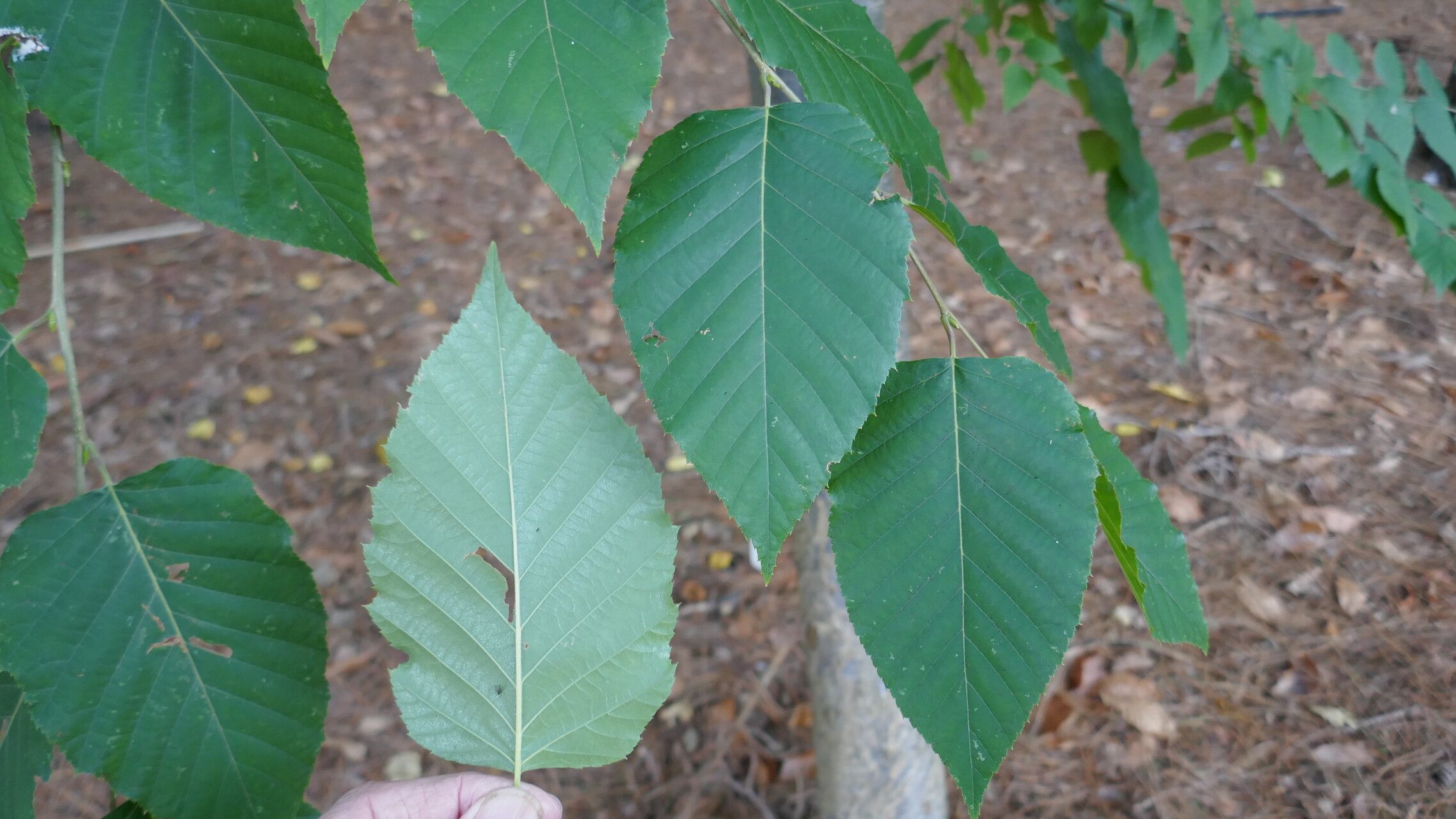
Hello fellow garden enthusiasts! It’s wonderful to have you join me today. We’re going to talk about a tree that truly shines: Betula luminifera, or the Chinese Birch. I’ve spent many years admiring its graceful form and distinctive, often peeling bark, which adds such wonderful texture to the landscape year-round. There’s a special kind of satisfaction that comes from creating new life from an existing plant, and propagating the Chinese Birch is absolutely achievable, even for those of you who are just getting your green thumbs started.
The Best Time to Start
For the best chance of success with Betula luminifera, I find that late spring to early summer is your golden window. This is when the plant is actively growing, and its stems have developed enough to offer good material for cuttings. Timing is everything in gardening, and getting this right can make a significant difference.
Supplies You’ll Need
Here’s a quick rundown of what you’ll want to have on hand:
- Clean, sharp pruning shears or a sharp knife: For making clean cuts.
- Rooting hormone: A good quality powder or gel designed for woody cuttings.
- Potting mix: A blend of equal parts peat moss, perlite, and coarse sand works wonderfully. This provides good drainage, which is crucial.
- Small pots or propagation trays: Clean ones are a must.
- A plastic bag or propagation dome: To create a humid environment.
- Watering can or spray bottle: For gentle watering.
- Perlite or coarse sand: For the drainage layer at the bottom of pots.
Propagation Methods
While you can sometimes propagate Birch through seed, I’ve had the most consistent success with stem cuttings. It’s a reliable method that gives you a good clone of your parent plant.
Here’s how I do it:
- Taking the Cuttings: On a cool, overcast day in late spring or early summer, select healthy, actively growing shoots from your Betula luminifera. Look for stems that are semi-hardwood – they should be pliable, not floppy, but not completely woody and stiff either. You’re aiming for pieces about 4-6 inches long. Make a clean cut just below a leaf node (where a leaf attaches to the stem). Remove the leaves from the bottom two-thirds of your cutting, and if any leaves are particularly large, you can even snip them in half to reduce water loss.
- Applying Rooting Hormone: Dip the cut end of each stem into your rooting hormone. Gently tap off any excess. This hormone encourages root development and helps prevent the cut end from drying out.
- Planting the Cuttings: Fill your pots or trays with your prepared potting mix. I like to add a layer of perlite or coarse sand at the very bottom for extra drainage. Make a hole in the center of the mix with a pencil or finger, deep enough to insert the cutting. Place your prepared cutting into the hole and firm the soil gently around it. You can fit several cuttings into one pot, as long as they don’t touch each other.
- Creating Humidity: Water the soil gently. Then, cover the pots with a clear plastic bag, propped up with stakes so it doesn’t touch the leaves, or use a propagation dome. This creates a mini-greenhouse effect, keeping the humidity high.
The “Secret Sauce” (Pro Tips)
Now, for a couple of tricks I’ve learned over the years that really give you an edge:
- Bottom Heat is Your Friend: If you can, place your pots on a heated propagation mat. Birch cuttings, like many woody plants, benefit immensely from a warm soil temperature encouraging root formation. This is often more effective than just relying on ambient air temperature.
- Patience with the Foliage: Once your cuttings are planted and covered, resist the urge to lift the bag too often. Every time you open it, you lose precious humidity. Peek through the plastic instead, and only water or mist when the soil surface looks dry.
Aftercare & Troubleshooting
Once you start seeing signs of new growth – little leaves unfurling at the top – that’s a good indication that roots are forming. You can gently tug on a cutting; if there’s resistance, roots have taken hold. Gradually acclimate your new cuttings to normal room humidity by opening the plastic bag a little more each day over a week. Once they can handle open air, they are ready to be transplanted into their own small pots.
The most common issue you’ll face is rot, often caused by overwatering or poor drainage. Your cuttings will turn mushy and black. It’s heartbreaking, but it’s worth learning from. Ensure your mix is airy and skip watering if the soil is already moist. Also, if a cutting wilts dramatically and its leaves look like they’re shriveling up, it might mean it’s drying out too quickly, even in the humid environment. A gentle misting might help.
A Encouraging Closing
Propagating plants is a journey of observation and a little bit of faith. Don’t be discouraged if not every cutting takes. With a little practice and by following these steps, you’ll soon be able to enjoy the deep reward of watching your own Betula luminifera saplings grow. Happy gardening, and enjoy the process!
Resource:
https://identify.plantnet.org/k-world-flora/species/Betula%20luminifera%20H.J.P.Winkl./data