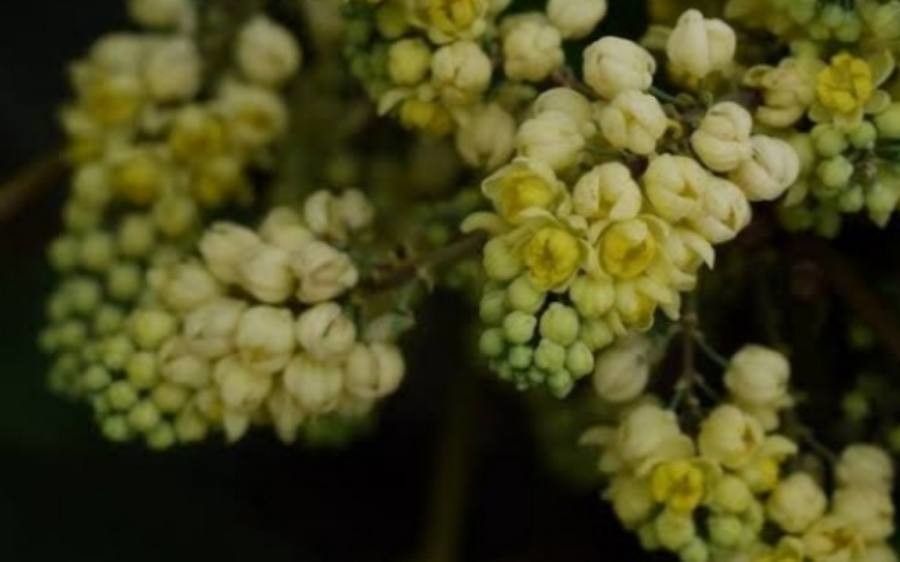
Oh, Berberis fordii! What a little gem. I’ve always loved its delicate, often vibrantly colored foliage and cheerful spring blooms. It’s one of those plants that just brings a smile to my face. And the best part? Getting more of them! Propagating Berberis fordii is a wonderfully rewarding endeavor. For beginners, I’d say it’s moderately easy – with a little patience and the right approach, you’ll be well on your way to success.
The Best Time to Start
For me, the sweet spot for taking cuttings is late spring to early summer. This is when the plant is actively growing, and the new shoots are semi-hardened. They have enough flexibility to root well but have also developed some structure to withstand the process. You’re looking for stems that you can snap cleanly, rather than bend.
Supplies You’ll Need
Here’s what I always have on hand when I’m propagating:
- Sharp pruning shears or a clean, sharp knife: Essential for making clean cuts.
- Rooting hormone (powder or gel): This isn’t strictly mandatory for all Berberis, but it gives your cuttings a significant boost.
- Small pots or seed trays: Clean ones are key to preventing disease.
- A good potting mix: I like a mix that drains really well. A 50/50 blend of perlite and a good quality seed starting mix works wonders.
- Identification tags and a permanent marker: So you don’t forget what you’ve planted!
- A plastic bag or a clear propagator lid: To create a humid environment.
- Optional, but highly recommended: A heating mat for bottom heat.
Propagation Methods
I’ve found that stem cuttings are the most reliable way to multiply Berberis fordii. Here’s how I do it:
- Take Your Cuttings: In late spring or early summer, select healthy, vigorous stems from your mature plant. Look for shoots that are about 4-6 inches long and have developing leaves. Using your sharp pruners, take a clean cut just below a leaf node (where a leaf joins the stem). Remove any flowers or developing buds – we want the plant to focus its energy on growing roots, not making seeds or flowers.
- Prepare the Cuttings: Gently remove the leaves from the bottom half of the cutting. This prevents them from rotting in the soil and makes it easier to plant. If the remaining leaves are very large, you can even cut them in half to reduce water loss through transpiration.
- Apply Rooting Hormone: Dip the cut end of each cutting into your rooting hormone, tapping off any excess. This step really does make a difference, encouraging faster and stronger root development.
- Plant Your Cuttings: Fill your clean pots or trays with your well-draining potting mix. Make a small hole in the center of the soil with your finger or a pencil. Carefully insert the prepared cutting into the hole, making sure the nodes are buried. Firm the soil gently around the base of the cutting.
- Water Gently: Water the pots thoroughly but gently. Let the excess water drain away.
- Create a Humid Environment: Cover the pots with a plastic bag secured with a rubber band or use a propagator lid. This traps humidity, which is crucial for cuttings to root. Place them in a bright spot that receives indirect light. Direct sunlight will scorch your young cuttings!
The “Secret Sauce” (Pro Tips)
Over the years, I’ve learned a few tricks that really up the success rate:
- Don’t let the leaves touch the water: If you opt for water propagation (which I find less successful for Berberis but some folks love it), make sure no leaves are submerged. They’ll just rot and take the whole cutting with them. Stick to soil!
- Bottom heat is your friend: A heating mat placed under your propagation trays makes a huge difference. It encourages root growth from below, giving your cuttings the best possible start. I find it cuts down the rooting time considerably.
- Be patient with the “snap”: When you’re looking for stems, wait for them to be semi-ripe. They should snap cleanly when bent, not just flop over. This tells you they have enough woody material to support themselves while they root.
Aftercare & Troubleshooting
Once you’ve planted your cuttings, keep the soil consistently moist but not waterlogged. Check the humidity inside your propagator daily and ventilate if you see excessive condensation.
You’ll know your cuttings have rooted when you see new leaf growth. You can also gently tug on a cutting – if there’s resistance, roots have formed! Once you see good signs of rooting, it’s time to gradually acclimate them to less humid conditions by opening the bag or propagator for longer periods each day.
The most common sign of failure is rot. If your cutting turns black and mushy, it’s likely succumbed to fungal issues, often from too much moisture or not enough airflow. Don’t be discouraged if a few don’t make it – it’s part of the process! Discard any rotted cuttings immediately to prevent disease from spreading.
A Encouraging Closing
Propagating plants is a journey, and each successful root is a little victory. Be patient with your Berberis fordii cuttings. There’s immense satisfaction in watching a tiny piece of your beloved plant transform into a new one. So, grab your pruners, get your hands dirty, and enjoy the magic of growth! You’ve got this.
Resource: