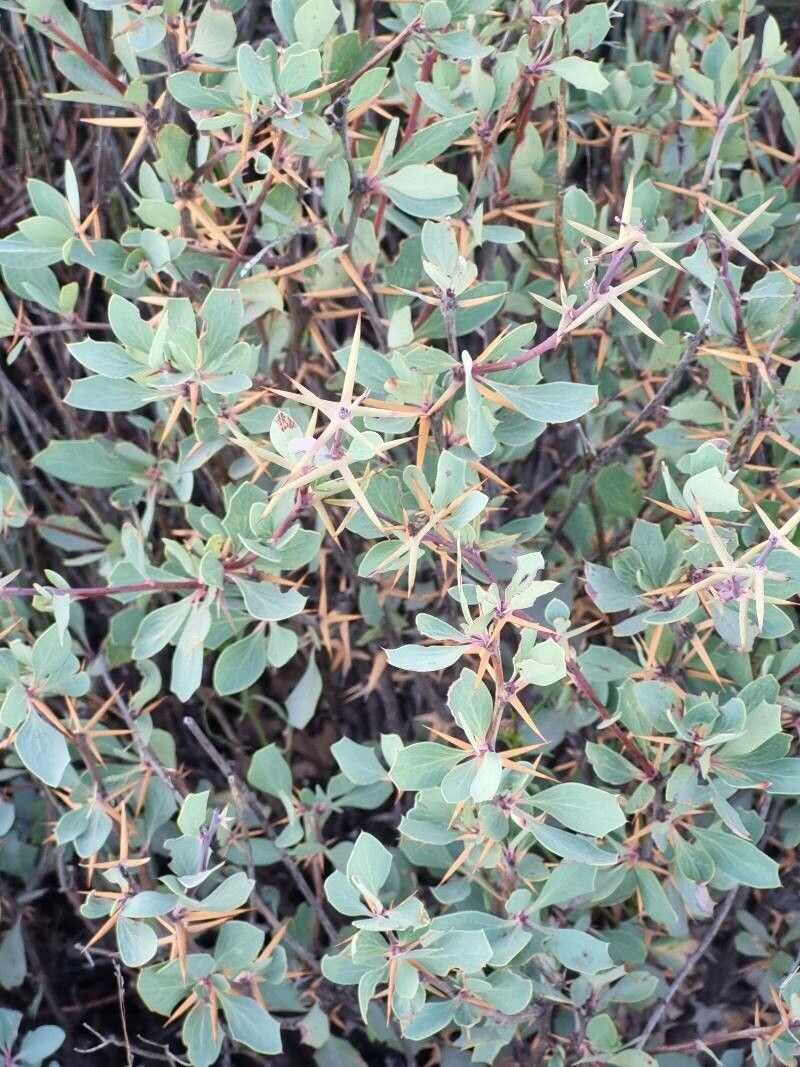
Hello there, fellow garden enthusiasts! I’m so happy you’re thinking about bringing more of the beautiful Berberis actinacantha into your life. This prickly wonder, with its delicate flowers and often striking berries, brings such a unique charm to any garden. Propagating it yourself? That’s where the real magic happens, and trust me, it’s a deeply satisfying journey. For beginners, Berberis actinacantha can be a bit of a gentle challenge, but with a little patience and these tips, you’ll be a pro in no time.
The Best Time to Start
When should you get your hands dirty? For Berberis actinacantha, late spring to early summer is your sweet spot. This is when the plant is actively growing, and the new shoots are semi-hardwood – not too soft and floppy, but not yet tough and woody. This stage offers the best chance for successful rooting.
Supplies You’ll Need
Before we dive in, let’s gather our tools. Having everything ready makes the process so much smoother:
- Clean, sharp pruning shears or a sharp knife: For making clean cuts and preventing disease.
- Rooting hormone (optional but recommended): A powdered or liquid form can significantly boost your success rate.
- Well-draining potting mix: A blend of peat moss, perlite, and a little sand works wonders. You can also find specific cuttings mix.
- Small pots or seed trays: About 4-6 inches deep are ideal. Make sure they have drainage holes!
- Plastic bags or a propagation dome: To create a humid environment.
- Labels and a marker: So you don’t forget what you’ve planted!
- A watering can with a fine rose: For gentle watering.
Propagation Methods
While you can explore a few avenues, stem cuttings are generally the most reliable and straightforward way to propagate Berberis actinacantha.
Stem Cuttings:
- Select Your Cuttings: Look for healthy, current-year stems that are semi-hardwood. You’re aiming for pieces about 4-6 inches long. Gently bend a stem; if it snaps cleanly, it’s likely ready.
- Make the Cut: Using your clean shears, make a cut just below a leaf node (where a leaf attaches to the stem). This is where root development is most likely to occur.
- Prepare the Cutting: Carefully remove the leaves from the bottom half of the cutting. You can also trim any larger leaves in half horizontally to reduce water loss. Dip the cut end into rooting hormone, tapping off any excess.
- Plant Your Cuttings: Fill your small pots with the well-draining potting mix. Make a hole in the center with a pencil or trowel and insert the cutting, ensuring the bottom leaf nodes are buried in the soil. Gently firm the soil around the cutting.
- Create Humidity: Water the soil thoroughly until it drains from the bottom. Then, cover the pot with a plastic bag secured with a rubber band, or place it under a propagation dome. The goal is to keep the humidity high and prevent the cuttings from drying out.
The “Secret Sauce” (Pro Tips)
Now for a couple of tidbits I’ve learned over the years that can really make a difference:
- Don’t Overdo the Hormone: While rooting hormone is great, too much can actually inhibit rooting. Just a light coating is all you need.
- Bottom Heat is Your Friend: If you can, place your pots on a heated propagator mat. This gentle warmth from below encourages root growth and can speed up the process considerably, especially in cooler conditions. It’s like giving your cuttings a warm, cozy bed.
Aftercare & Troubleshooting
Once your cuttings are snug in their pots, place them in a bright location out of direct sunlight. Keep the soil consistently moist but not soggy. You’ll know they’re rooting when you see new leaf growth or gently tug and feel resistance. This can take anywhere from 4 weeks to a few months.
What if things don’t go as planned? The most common issue is rot. If your cuttings look mushy, black, or develop a fuzzy mold, they’ve likely succumbed to rot. This is usually due to too much moisture and poor air circulation. Don’t despair! You can try again, ensuring your soil drains exceptionally well and that you’re not overwatering. Sometimes, a cutting simply doesn’t have what it takes, and that’s okay. We learn from every attempt.
A Little Patience Goes a Long Way
Propagating Berberis actinacantha is a rewarding experience that offers a deep connection to the plant world. Be patient with your little cuttings; they’re working hard to put down roots. Enjoy the process, observe their progress, and celebrate each tiny bit of success. Happy gardening!
Resource: