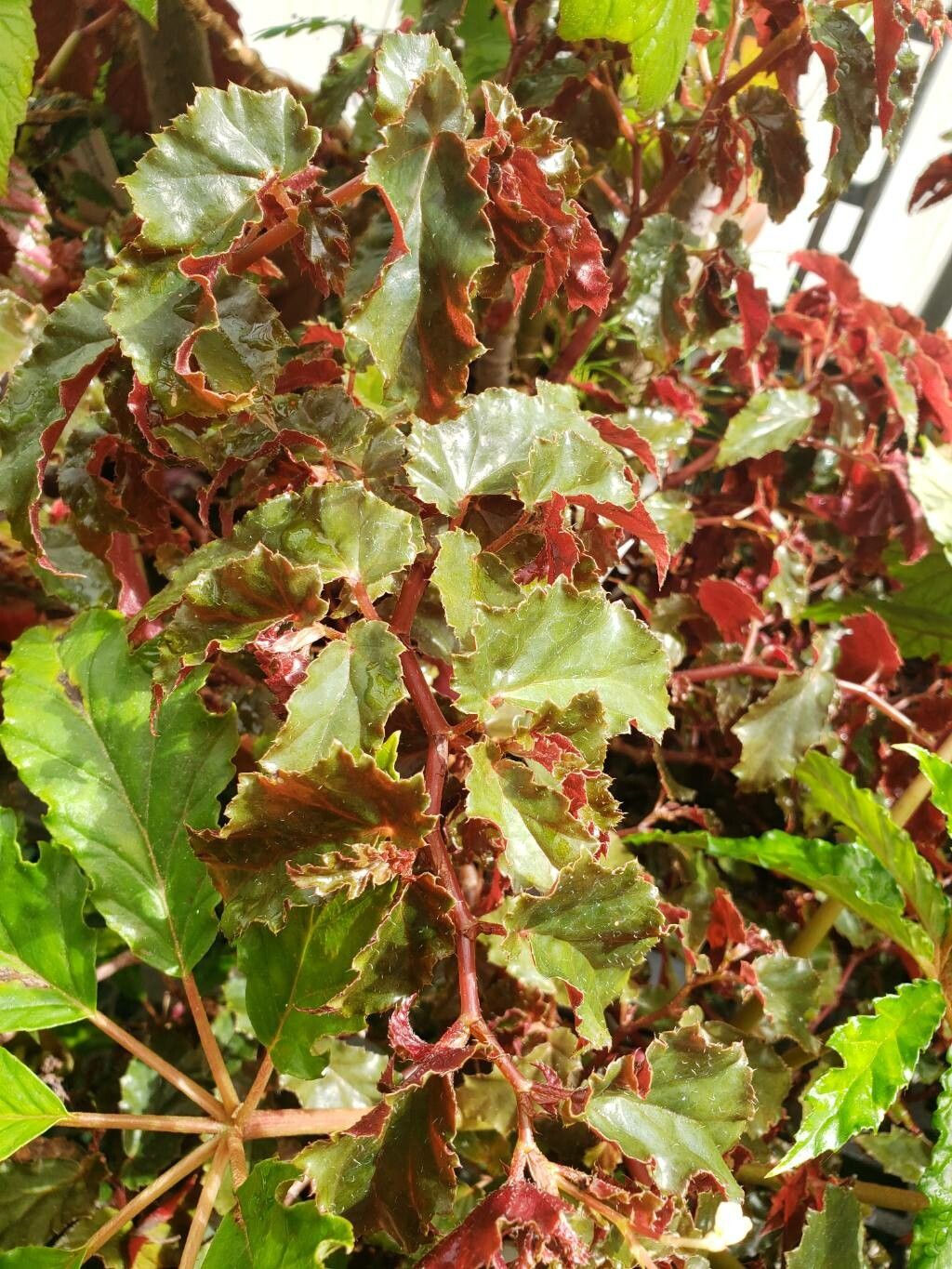
Oh, hello there! Come on in and grab yourself a cuppa. Today, we’re diving into the wonderful world of Begonia cubensis. If you’ve ever admired their striking foliage, the delicate splashes of color, or that unique, almost architectural look, you’re certainly not alone. And the best part? You can easily multiply that beauty right in your own home!
Why Propagate Begonia Cubensis?
There’s a special kind of joy, wouldn’t you agree, in taking a piece of a plant you love and watching it unfurl into something new. It’s a little bit of magic, really. Begonia cubensis, with its often dramatic leaves, is particularly rewarding to propagate. You can fill your home with more of them, or even share them with fellow plant lovers. For those just starting out, I’d say Begonia cubensis propagation is moderately easy. It’s not as foolproof as, say, a pothos, but with a little care and attention, you’ll be successful.
The Best Time to Start
My personal favorite time to get propagating is in the late spring or early summer. The days are getting longer, temperatures are warming up, and plants are generally in a growth spurt. This means your cuttings will have plenty of energy to put into those brand new roots. You can also do it in early fall, but you might find things move a bit slower. Always aim for during an active growth phase.
Supplies You’ll Need
Gathering your tools beforehand makes everything so much smoother. Here’s what I always have on hand:
- Sharp Pruning Shears or a Clean Knife: For making clean cuts. Dull tools can crush tissues, leading to rot.
- Seed Starting Mix or a Perlite-Rich Potting Mix: Begonias hate soggy feet, so excellent drainage is key. I often mix equal parts potting soil and perlite, or use a dedicated seed starting mix.
- Small Pots or Trays: Anything that can hold your cuttings and a bit of soil. Old yogurt cups with drainage holes poked in the bottom work a treat!
- Rooting Hormone (Optional but Recommended): This isn’t strictly necessary for all begonias, but it can give your cuttings a significant boost. I like to use a powder form.
- Clear Plastic Bag or Dome: To create a humid environment. This is crucial for keeping those cuttings happy and hydrated while they root.
- Watering Can with a Fine Rose or Spray Bottle: For gentle watering.
Propagation Methods
Begonia cubensis is quite versatile, and I find both stem cuttings and division to be very effective.
Stem Cuttings
This is my go-to method for Begonia cubensis.
- First, find a healthy stem on your mature Begonia cubensis. Look for a stem that has at least two or three leaves.
- Using your sharpest pruning shears or knife, make a clean cut just below a leaf node. A leaf node is that little bump where the leaf attaches to the stem. This is where new roots will emerge.
- Now, gently remove the lowest leaf from your cutting. If the remaining leaves are very large, you can also cut them in half. This reduces the amount of water the cutting needs to transpire while it’s trying to root.
- If you’re using rooting hormone, dip the cut end of the stem into the powder. Give it a gentle tap to shake off any excess.
- Prepare your pot with your well-draining soil mix. Make a small hole in the center with your finger or a pencil.
- Carefully insert the cut end of your stem into the hole, ensuring the leaf node is buried in the soil. Gently firm the soil around the stem.
- Water gently until the soil is evenly moist but not waterlogged.
- Now, create that humid environment. You can pop a clear plastic bag over the pot, securing it with a rubber band, or use a propagation dome. Make sure the plastic doesn’t touch the leaves too much.
- Place your pot in a bright spot, but out of direct sunlight. Indirect light is perfect.
- Keep the soil consistently moist, but again, not soggy. You might need to mist it occasionally if it starts to dry out.
Division
If your Begonia cubensis has grown into a clump with multiple stems originating from the base, division is a fantastic option.
- Gently remove the entire plant from its pot.
- Carefully tease apart the root ball. You’re looking to separate sections of the plant, each with its own roots and stems. If the roots are very tangled, you might need to use a clean knife to help separate them.
- Once you have separated your divisions, plant each one into its own pot filled with your well-draining soil mix.
- Water gently and place them in bright, indirect light.
The “Secret Sauce” (Pro Tips)
Here are a few little tricks I’ve picked up over the years that really make a difference:
- Don’t Let Leaves Touch the Water (with stem cuttings): If you happen to choose water propagation (which is also an option, but I find soil to be more reliable for cubensis), make sure absolutely no leaves are submerged in the water. Only the stem should be in contact with the water. Submerged leaves will quickly turn mushy and rot.
- Bottom Heat is Your Friend: While not essential, placing your pots on a heating mat designed for seedlings can significantly speed up root development. It mimics the warmer soil temperatures of summer and encourages faster rooting. Just don’t let it get too hot – think warm bathwater, not a sauna!
- Patience, Dear Gardener, Patience: I know it’s tempting to keep checking for roots, but try to resist. They can take anywhere from 2-6 weeks to establish themselves. You’ll know they’re rooting when you see new growth appearing. Tug gently on a cutting; if there’s resistance, roots have formed!
Aftercare & Troubleshooting
Once your cuttings show signs of life – new leaves unfurling or a gentle tug indicating roots – it’s time for a slight shift in care.
You can gradually remove the plastic bag or dome, allowing the new plant to acclimate to your home’s humidity levels over a few days. Continue to water when the top inch of soil feels dry. They’ll still appreciate bright, indirect light.
Now, what if things go wrong? The most common culprit is rot. If your stem cutting turns black and mushy, or the leaves start wilting dramatically and then rot, it’s usually a sign of being too wet and not enough air circulation. It’s tough, but sometimes you have to discard a failed cutting and start again. Don’t be discouraged! It happens to all of us. Just adjust your watering and ensure good airflow for the next try.
A Little Encouragement to Finish
Propagating Begonia cubensis is a journey, and like any good journey, it’s about the process as much as the destination. Be patient with yourself and your little plant babies. There’s a quiet satisfaction in nurturing something from a simple cutting, watching it grow and thrive. So dive in, have fun, and enjoy the magic of creating more beauty for your home! Happy growing!
Resource:
https://identify.plantnet.org/k-world-flora/species/Begonia%20cubensis%20Hassk./data