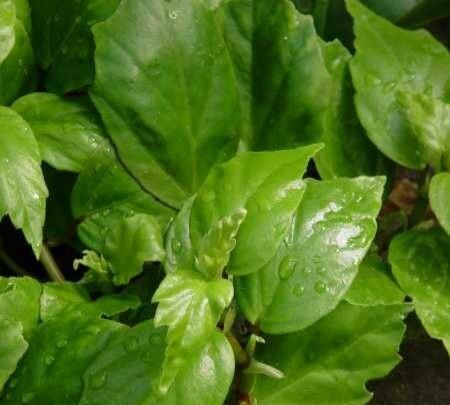
Hello there, fellow plant lovers! It’s so wonderful to have you join me today. We’re going to dive into the delightful world of Begonia convolvulacea, a plant that truly captures my heart with its delicate, trailing vines and intricate, often velvety foliage. Its subtle beauty is a real treasure, and the joy of creating new life from a single cutting is an experience I hope everyone gets to enjoy. Now, Begonia convolvulacea isn’t the absolute easiest beginner plant, but with a little care and attention, it’s certainly achievable, and incredibly rewarding.
The Best Time to Start
For propagating Begonia convolvulacea, the sweet spot is definitely late spring through summer. This is when the plant is actively growing and has plenty of energy to put into rooting. You’ll have the best success if you take cuttings from healthy, vigorous stems that aren’t flowering. Think of it as borrowing a bit of that summer growing power for your new babies.
Supplies You’ll Need
To get our little convolvulacea propagations underway, here’s what I always have on hand:
- Sharp pruning shears or a clean craft knife: You want a clean cut to avoid damaging the stem and introducing disease.
- Well-draining propagation mix: I like a blend of perlite, peat moss, and a little bit of coco coir. You can also find specific houseplant or succulent mixes that work well.
- Small pots or trays: Clean ones are key!
- Clear plastic bag or a propagation dome: This will create that humid environment our cuttings love.
- Watering can with a fine rose or a spray bottle: Gentle watering is important.
- Rooting hormone (optional but recommended for beginners): This can give your cuttings a helpful boost.
Propagation Methods
Begonia convolvulacea is wonderfully amenable to stem cuttings, which is my go-to method. Here’s how I do it:
- Select Your Cuttings: Look for stems that are at least 4-6 inches long and have at least two sets of leaves. Make a clean cut just below a node (where a leaf attaches to the stem). Nodes are where the magic happens – that’s where roots will emerge.
- Prepare the Cuttings: Gently remove the lower leaves, leaving one or two at the top. If your leaves are quite large, you can even cut them in half horizontally to reduce water loss. If you’re using rooting hormone, dip the cut end into it now, tapping off any excess.
- Planting: Moisten your propagation mix slightly. Make a small hole in the mix with your finger or a pencil, and gently insert the cut end of the stem into the potting medium. Ensure at least one node is buried below the surface. Firm the mix around the stem gently.
- Create a Humid Environment: Water the potting mix lightly. Then, carefully place the pot into a clear plastic bag, making sure the leaves don’t touch the sides too much. You can prop it up with a skewer if needed. Alternatively, use a propagation dome. Seal the bag or close the dome.
The “Secret Sauce” (Pro Tips)
Here are a few little tricks I’ve picked up over the years that really seem to make a difference:
- Don’t Drench the Dipping: If you’re using a container of rooting hormone powder, don’t dip directly into your main supply. Pour a small amount into a separate dish or lid to avoid contaminating the rest of the powder.
- Embrace Bottom Heat: Placing your pots on a heated propagation mat can significantly speed up root development. Begonias absolutely love a bit of warmth from below. They might look like they prefer the cool shade, but when it comes to rooting, they’re warm-hearted!
- Watch for the “Dew”: Don’t open the bag or dome unnecessarily. Condensation on the inside of the plastic is a good sign – it means you’ve got that perfect humid microclimate. If you see excessive water pooling, you can wipe it dry with a paper towel, but too much opening lets precious humidity escape.
Aftercare & Troubleshooting
Once your cuttings are planted, keep them in bright, indirect light. Avoid direct sun, which can scorch those delicate leaves. The key is to keep the potting mix consistently moist but not waterlogged. You’ll know roots are forming when you see new growth appearing or feel a gentle resistance when you tug ever so slightly on the cutting. Once you see that encouraging sign, you can gradually start to acclimate your new plant to normal room humidity by opening the bag or dome for longer periods each day.
Now, what if things go wrong? The most common culprit here is rot. If your cutting turns mushy, black, or starts to slime, it’s usually a sign of too much moisture or lack of air circulation. If you catch it early, you can try cutting away the rotted part with a very clean blade and repotting in fresh, dry mix, but more often than not, a rotten cutting is a lost cause. Overwatering is the usual suspect, so dial it back and ensure good airflow.
A Fond Farewell (For Now!)
Propagating Begonia convolvulacea takes a bit of patience, but trust me, that first sign of new growth or the feel of developing roots is one of the most satisfying moments in gardening. Don’t be discouraged if your first attempt isn’t perfect – every plant, and every cutting, is a learning opportunity. Enjoy the process, celebrate the small victories, and soon you’ll have a whole collection of these gorgeous vines to share or keep all to yourself! Happy propagating!
Resource: