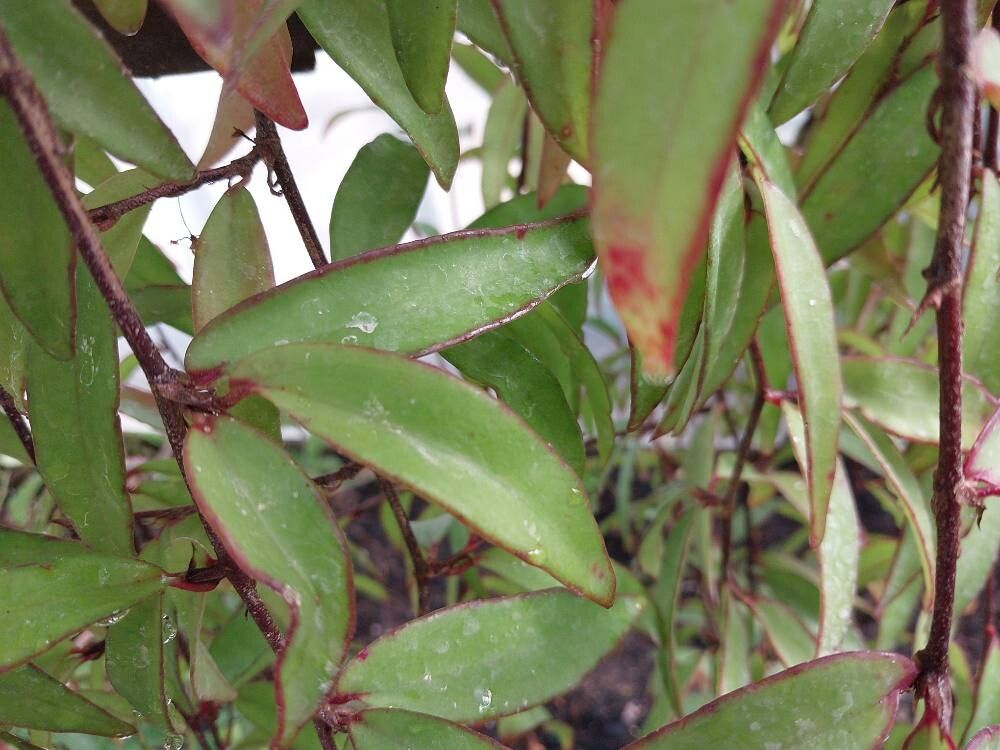
Hey there, fellow plant lovers! It’s a joy to connect with you today. I’ve spent two decades getting my hands dirty, and I’m still just as thrilled by the magic of growing new life as I was when I started. Today, we’re diving into the beguiling world of Begonia capillipes, a rhizomatous beauty that truly captures the imagination with its intricate leaf patterns and elegant growth.
Why Propagate Begonia capillipes?
If you’ve ever admired the velvety texture and stunning silver markings of Begonia capillipes, you know its allure. Propagating this plant isn’t just about getting more for free (though that’s a lovely perk!); it’s about understanding its life cycle and celebrating its resilience. It’s a wonderfully rewarding experience to watch a tiny cutting develop into a flourishing plant. For beginners, Begonia capillipes is a fantastic choice. It’s generally quite forgiving and responds well to simple propagation techniques. You’ll be hooked!
The Best Time to Start
The sweet spot for propagating Begonia capillipes is during its active growing season, which typically runs from spring through summer. This is when the plant has plenty of energy to put into producing roots and new growth. Waiting until the plant is actively producing new leaves and stems will give you the best chance for success. Avoid propagating during the plant’s dormant period in winter, as it won’t have the vigor needed.
Supplies You’ll Need
Gathering your supplies is half the fun! Here’s what you’ll want to have on hand:
- Sharp Pruning Shears or a Clean Knife: For making clean cuts. Sterilize them with rubbing alcohol to prevent disease.
- Rooting Hormone (Optional but Recommended): A powder or gel can significantly speed up root development.
- Well-Draining Potting Mix: A blend of peat moss, perlite, and a bit of orchid bark works wonderfully. You can also find specialized begonia mixes.
- Small Pots or Trays: Clean pots with drainage holes are essential.
- Clear Plastic Bag or Dome: To create a humid environment for cuttings.
- Watering Can with a Fine Rose: For gentle watering.
- Patience! This is the most crucial ingredient!
Propagation Methods for Begonia capillipes
There are a couple of tried-and-true ways to get more Begonia capillipes plants. I usually go for stem cuttings, but division is also a great option if your plant is mature.
Stem Cuttings
This is my go-to method for Begonia capillipes.
- Take Your Cuttings: Select a healthy stem that has at least two or three nodes (the bumps on the stem where leaves grow). Using your sterilized shears, cut the stem about a quarter-inch below a node. You can take multiple cuttings from a healthy plant.
- Prepare the Cuttings: Gently remove any lower leaves, leaving at least one or two at the top. If your leaves are very large, you can cut them in half horizontally to reduce water loss.
- Apply Rooting Hormone (Optional): Dip the cut end of the stem into your rooting hormone, tapping off any excess.
- Pot Them Up: Fill your small pots with your prepared potting mix. Make a small hole in the center of the soil with your finger or a pencil. Insert the cutting into the hole, ensuring the nodes are covered by the soil. Gently firm the soil around the stem.
- Water Gently: Water thoroughly but gently, so you don’t dislodge the cutting.
- Create Humidity: Cover the pot with a clear plastic bag or place it under a clear dome. This will trap moisture and create the humid environment cuttings crave. Place the pot in a warm spot with bright, indirect light.
Division
If your Begonia capillipes has grown into a nice clump with multiple stems emerging from the rhizome, division is an excellent way to propagate.
- Remove from Pot: Carefully unpot your begonia. Gently shake off some of the excess soil to expose the rhizome.
- Identify Divisions: Look for natural breaks in the rhizome where you can see separate sections with roots and stems.
- Divide the Rhizome: Using your finger or a clean, sharp knife, carefully separate the rhizome into sections. Each division should have at least a few healthy roots and some foliage.
- Pot Up Divisions: Pot each division into its own small pot filled with your well-draining potting mix, burying the rhizome just beneath the surface.
- Water and Mist: Water gently and lightly mist the foliage. Place in a warm spot with bright, indirect light.
The “Secret Sauce” (Pro Tips)
Here are a few little tricks I’ve learned over the years that can make a big difference:
- Don’t Let Leaves Touch the Water (for Water Propagation – less common for capillipes but a good general tip): If you ever try water propagation, ensure leaves aren’t submerged. Rot sets in quickly. For stem cuttings in soil, this isn’t an issue, but it’s worth remembering for other houseplants!
- Bottom Heat is Your Friend: A seedling heat mat placed under your pots can dramatically speed up root formation. It mimics the warmth of spring soil and gives those sleepy roots a nudge.
- Don’t Overwater: This is probably the most common mistake. Cuttings have no roots yet, so they can only take up so much moisture. Let the top inch of soil dry out slightly between waterings. Soggy soil leads to rot, and that’s the quickest way to a failed cutting.
Aftercare & Troubleshooting
Once you see new growth emerging from your cuttings (this can take anywhere from a few weeks to a couple of months), you’re on the home stretch!
- Acclimate Gradually: If you’ve been using a dome or plastic bag, start to gradually remove it over a few days to let your new plant adjust to normal humidity levels.
- Watering: Continue to water when the top inch of soil feels dry. You can start watering slightly more frequently now that roots are developing.
- Fertilizing (Later): Wait until your new plant has several sets of new leaves before you introduce a dilute houseplant fertilizer.
- Common Issues: The main culprit of failure is rot. If your cutting turns black and mushy, it’s likely rotted. This is usually due to overwatering or poor air circulation. If you see signs of mildew, increase airflow and reduce humidity slightly.
A Little Encouragement
Propagating can feel like a bit of a gamble sometimes, but with Begonia capillipes, you’re starting with a plant that’s eager to share itself. Be patient, observe your cuttings, and celebrate every tiny bit of progress. The joy of nurturing a new plant from a small piece of another is truly unparalleled. Happy growing!
Resource:
https://identify.plantnet.org/k-world-flora/species/Begonia%20capillipes%20Gilg/data