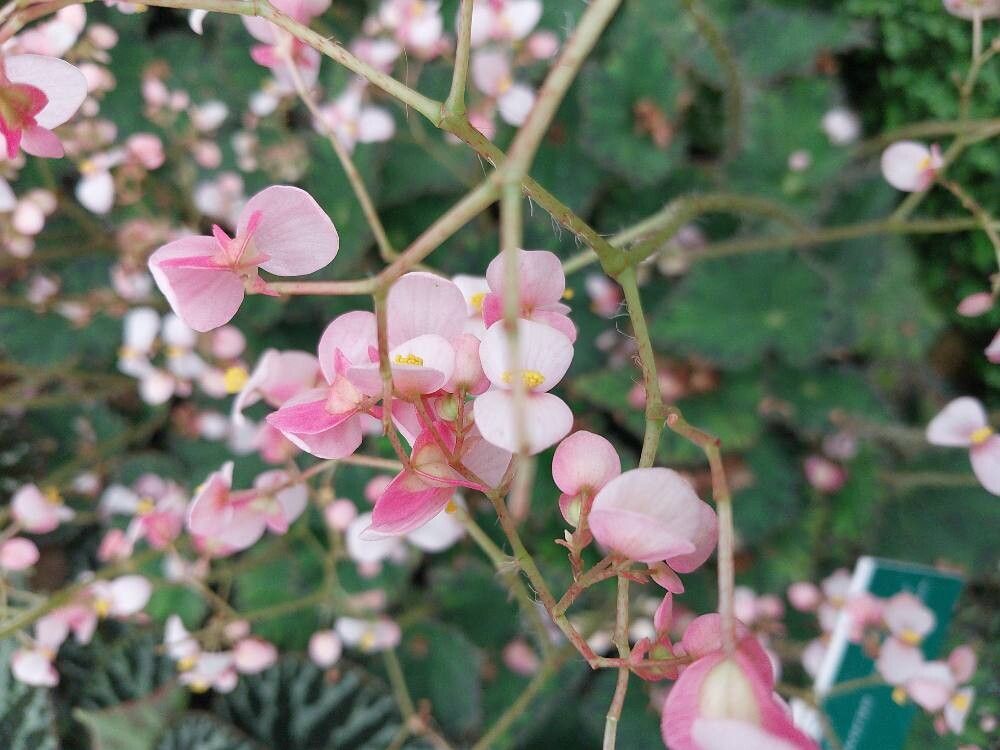
Hey there, fellow plant lovers! Today, we’re diving into the wonderful world of propagating Begonia bowerae, often called the Eyelash Begonia. I’ve spent years nurturing these beauties, and let me tell you, there’s something incredibly satisfying about coaxing new life from a single leaf or stem. If you’ve ever admired those intricate, furry edges and charming patterns, you’re in for a treat.
These begonias are real charmers. They boast stunning foliage with lovely patterns and fuzzy edges that just beg to be touched. Propagating them is a fantastic way to share the plant love with friends or simply expand your own collection without breaking the bank. Now, are they tricky for beginners? Honestly, Begonia bowerae is quite forgiving, making it a great choice for those just dipping their toes into the world of propagation.
The Best Time to Start
My favorite time to get propagating is in the late spring or early summer. This is when the plant is actively growing after its winter rest. You’ll find that cuttings taken during this period have a robust energy that really helps them root successfully. Aim for a time when your plant is healthy and vigorous, not stressed from extreme heat or cold.
Supplies You’ll Need
Gathering your tools beforehand makes the whole process smooth. Here’s what I usually have on hand:
- Sharp pruning shears or a clean knife: Essential for making clean cuts.
- Potting mix: A good blend is crucial. I like a light, airy mix – usually equal parts perlite, peat moss, and regular potting soil. This drainage is key! You can also find pre-made begonia mixes.
- Small pots or propagation trays: Whatever you have available, as long as they have drainage holes.
- Rooting hormone (optional but recommended): This can give your cuttings a little boost.
- Clear plastic bag or propagation dome: To create a humid environment.
- Water: For stem cuttings or if you choose water propagation.
- A journal or notebook: To keep track of what you did and when!
Propagation Methods
Begonia bowerae is pretty versatile, and I’ve had great luck with a couple of common methods.
1. Stem Cuttings:
This is my go-to method for B. bowerae.
- First, select a healthy stem that has at least two to three leaf nodes. A node is where a leaf attaches to the stem.
- Using your clean shears, make a cut just below a leaf node. You want to make sure there’s a node that can potentially grow roots.
- If the stem has large leaves, you can gently cut them in half. This reduces water loss while the cutting is trying to establish itself.
- Dip the cut end into some rooting hormone powder, if you’re using it. Tap off any excess.
- Gently insert the cutting into your prepared potting mix. Press the soil lightly around the stem to ensure good contact. Make sure at least one node is buried beneath the soil surface.
- Water the soil thoroughly until it drains from the bottom.
- Cover the pot with a clear plastic bag or place it under a propagation dome. This traps moisture and creates that humid microclimate they love. Position it in bright, indirect light.
2. Water Propagation:
This is a fascinating one to watch!
- Similar to stem cuttings, take a healthy stem cutting with at least one or two leaf nodes. Remove any lower leaves that would be submerged in water.
- Place the cutting in a glass or jar of water. Make sure the leaf nodes are submerged, but the leaves themselves are not touching the water.
- Change the water every few days to keep it fresh and oxygenated.
- Keep the jar in bright, indirect light. You should start to see tiny white roots forming within a few weeks.
- Once the roots are about an inch long, you can carefully transplant the cutting into potting mix, just as you would with a stem cutting that’s already rooted.
The “Secret Sauce” (Pro Tips)
Here are a few little tricks I’ve picked up along the way that really seem to make a difference:
- Don’t let leaves touch the water: For stem cuttings in water, this is a big one. If leaves sit in water, they tend to rot quickly, which can spell the end for your cutting. Keep them high and dry!
- Bottom heat can be your friend: If you have a seedling heat mat, placing your propagation tray on top of it can really speed up root development. It mimics the warmth of summer soil and gives those sleepy roots a gentle nudge.
- Mist, but don’t drown: While humidity is essential, overwatering the soil can lead to fungal issues and rot. I usually mist the inside of my plastic bag or dome daily, and water the soil only when the surface feels dry to the touch.
Aftercare & Troubleshooting
Once you start seeing roots pushing through the drainage holes or new growth appearing, you’re on the right track!
- Gradually introduce your new plant to normal conditions. Once roots are well-established (you can gently tug on the cutting to feel resistance), start to remove the plastic cover for a few hours each day, increasing the duration over a week. This helps it acclimatize.
- Water when the top inch of soil is dry. Always err on the side of caution – overwatering is the most common mistake.
- Keep it in bright, indirect light. Direct sun will scorch those delicate new leaves.
- Watch out for rot. The biggest sign of trouble is a mushy, black stem or leaves. If you see this, it’s usually due to too much moisture and poor air circulation. Sometimes you can save a cutting with rot by cutting away the affected part, but often it’s a sign to clean your tools and start fresh. Yellowing leaves can sometimes indicate overwatering or underwatering, so check the soil moisture.
A Encouraging Closing
Propagating plants is a journey of patience and observation. Don’t get discouraged if not every cutting takes – gardening is all about learning from each experience! Enjoy the process of watching tiny roots unfurl and new leaves emerge. Before you know it, you’ll have a whole new generation of beautiful Eyelash Begonias to admire and share. Happy propagating!
Resource:
https://identify.plantnet.org/k-world-flora/species/Begonia%20bowerae%20Ziesenh./data