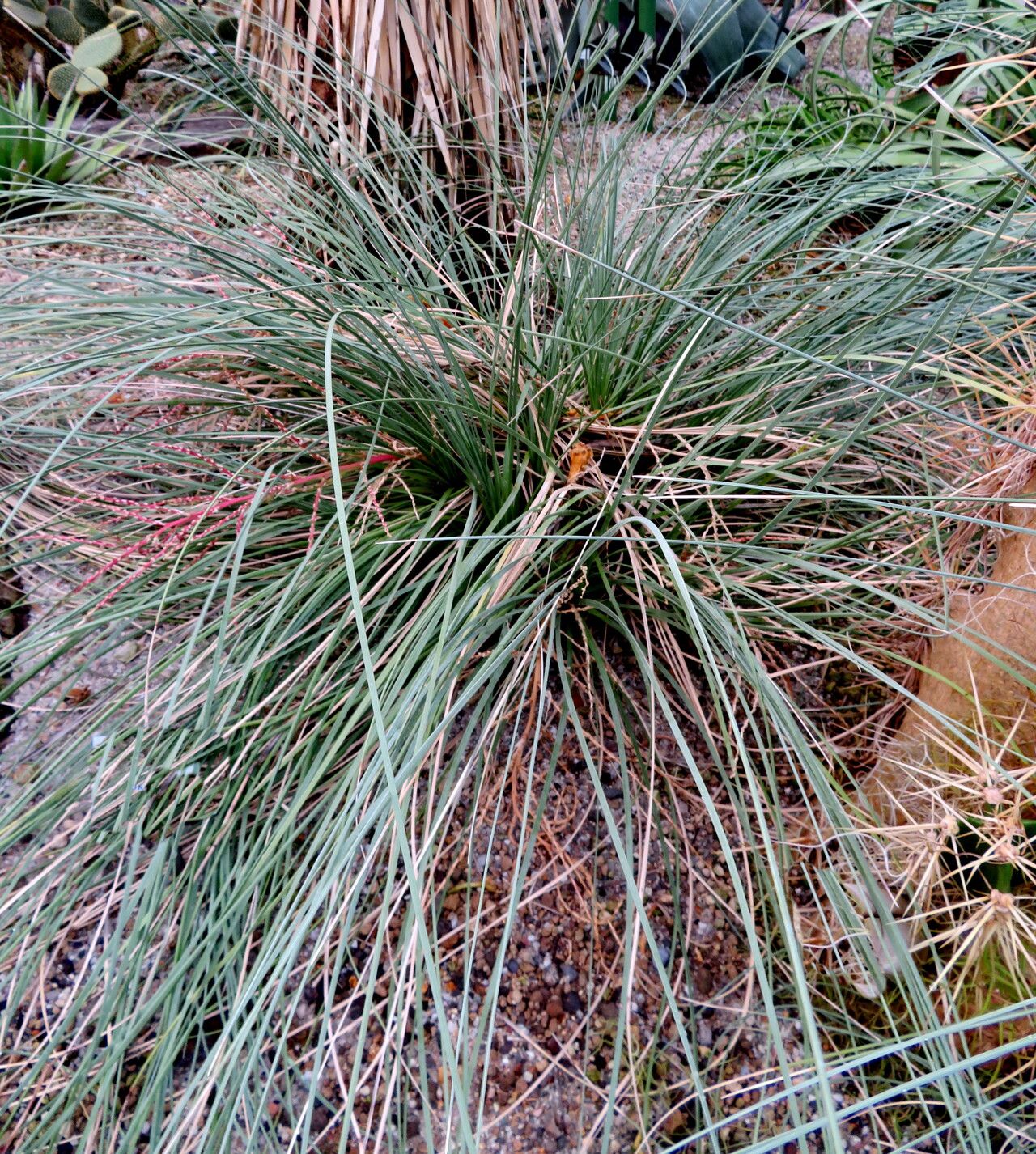
Oh, hello there! It’s so good to have you here. I’ve been spending my days with plants for two decades now, and I’m just bursting to share what I’ve learned, especially about those wonderfully quirky Beaucarnea hookeri. These plants, with their bulbous bases and cascading leaves, are just spectacular. They bring a touch of the desert right into our homes, don’t you think? Propagating them is a really rewarding journey, and while not as straightforward as a succulent cutting, it’s absolutely achievable. Let’s get our hands dirty!
The Best Time to Start
Honestly, the sweet spot for propagating Beaucarnea hookeri is during their active growing season. Think spring and early summer. This is when the plant has the most energy to put into developing new roots. If you’re attempting propagation from division, you can often get away with doing it a bit later into summer too, provided you keep an eye on moisture levels. Starting during this vibrant period gives your new little plant the best shot at success.
Supplies You’ll Need
Before we dive in, let’s gather our trusty companions. Having everything ready makes the whole process so much smoother.
- Sharp, clean pruning shears or a knife: Essential for making clean cuts to minimize stress. Sterilize them with rubbing alcohol between uses!
- Well-draining potting mix: A cactus and succulent mix is perfect. You can also create your own by mixing equal parts perlite, coarse sand, and potting soil.
- Small pots or trays: Choose something appropriate for the size of your cuttings or divisions. Ensure they have drainage holes.
- Rooting hormone (optional but helpful): This little powder can give your cuttings a significant boost.
- Small watering can or mister: For gentle hydration.
- Clean water: For misting or watering.
- A sunny, warm spot: Out of direct, harsh sunlight initially.
Propagation Methods
Beaucarnea hookeri is most commonly propagated through division or stem cuttings. Let’s break down how to do each.
Division: The Natural Split
This is often the easiest and most successful method for established plants. You’ll notice your mature Beaucarnea might start producing small offsets, or “pups,” around its base.
- Gently remove the plant from its pot. Be as kind as you can to the roots.
- Inspect the root ball. Look for where new offsets are emerging. You should be able to see where they are attached to the parent plant, sometimes with their own developing roots.
- Carefully separate the offset. Use your clean knife or shears to make a clean cut, ensuring the offset has at least a few roots of its own attached. If it doesn’t have roots yet, don’t worry, but it might take longer to establish.
- Let the cut end callus over. It’s crucial to let the wound on the offset (and the parent plant) dry out for a day or two in a dry, airy spot. This prevents rot.
- Pot up the offset. Plant it in your well-draining potting mix, burying the callused end just enough to keep it upright. Don’t pack the soil too tightly.
Stem Cuttings: For the Adventurous
This method is for when you need to take a piece from the “trunk” of the plant, or if you’re starting with a piece that has broken off.
- Take a cutting. Select a healthy section of the stem that is at least a few inches long. Make a clean cut with your sterile shears.
- Remove lower leaves. Strip away any leaves from the bottom half of the cutting.
- Let it callus. This is non-negotiable for stem cuttings. Place the cutting in a dry, well-ventilated area for at least one to two weeks. The cut end needs to dry and form a firm, protective scab.
- Apply rooting hormone (optional). Once callused, dip the cut end into rooting hormone, tapping off any excess.
- Plant the cutting. Firmly insert the callused end into your well-draining potting mix. You want it to stand upright.
The “Secret Sauce” (Pro Tips)
Now, these are the little nuggets of wisdom I’ve picked up over the years. They make a world of difference!
- Don’t overwater, ever! This is probably the biggest culprit for failure. Beaucarnea are desert dwellers; they hate wet feet. Let the soil dry out almost completely between waterings, especially for new propagations. Once you pot up a division, water it lightly, then wait. For cuttings, a light misting of the soil is often enough initially.
- Bottom heat is your friend. For stem cuttings especially, providing a little warmth from below can really encourage root development. A seedling heat mat is perfect for this. It mimics the warmth of the soil surface the plant would naturally grow in.
- Patience is a virtue, and a method. Beaucarnea hookeri are notoriously slow growers, and that applies to their root development too. Don’t be discouraged if you don’t see new growth for weeks, or even months. Give it time.
Aftercare & Troubleshooting
Once your division or cutting shows signs of life – perhaps a new leaf unfurling or a gentle tug revealing a bit of resistance indicating roots – you’re on your way!
- Gradually introduce to more light. Once roots are established, you can start moving your new plant into a brighter spot, but still avoid intense, direct sun for the first few months.
- Watering: Water when the top inch or two of soil is dry. You can slowly increase watering as the plant matures.
- Common issues: The most common problem is rot, which is a direct result of overwatering. If the base of your cutting or division turns mushy and brown, it’s likely rot. Unfortunately, it’s hard to recover from at that stage. Another sign is wilting that doesn’t improve with watering – this can also indicate root problems.
A Encouraging Closing
See? It’s not rocket science, just a bit of patience and careful observation. Propagating Beaucarnea hookeri is a wonderful way to multiply your love for these unique plants. Be kind to them, give them the right conditions, and don’t be afraid to experiment a little. Enjoy the process, celebrate every tiny new leaf, and before you know it, you’ll have a whole little family of these fascinating guys! Happy propagating!
Resource:
https://identify.plantnet.org/k-world-flora/species/Beaucarnea%20hookeri%20(Lem.)%20Baker/data