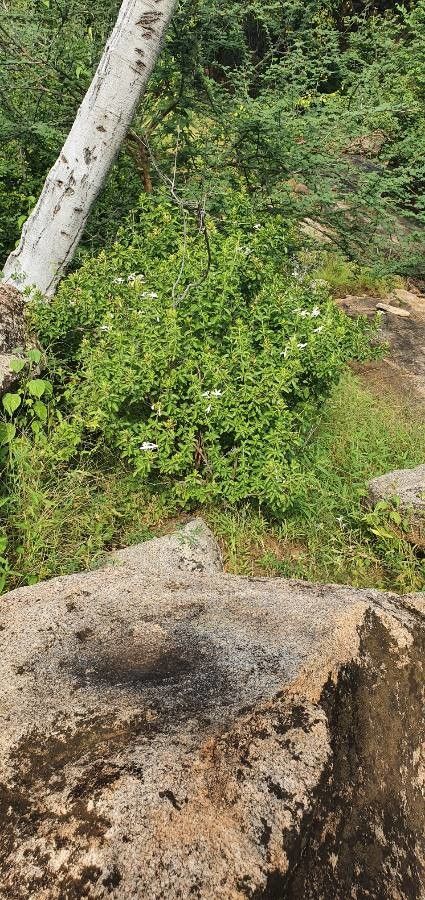
Hello there, fellow garden enthusiasts! It’s so wonderful to have you here today. I’m thrilled to chat about a plant that brings such a delightful burst of color and texture to any garden: Barleria trispinosa, often known as the “Bush Violet” or, more tellingly, the “Prickly Barleria.” I’ve been growing and loving Barleria for two decades now, and one of the most rewarding parts of this horticultural journey has been multiplying my own plants. It’s incredibly satisfying to see a tiny cutting transform into a thriving new specimen.
If you’re new to the world of plant propagation, I have some good news: Barleria trispinosa is a wonderfully forgiving plant to work with. While some plants can be quite fussy, this one tends to be quite cooperative, making it a fantastic choice for beginners and seasoned gardeners alike. Let’s get started and bring more of this beauty into your life!
The Best Time to Start
For the highest chance of success, you’ll want to begin propagating your Barleria trispinosa during its active growing season. This usually means late spring through late summer. The plant is full of vigor at this time, meaning it’s pumped with energy and ready to sprout new roots. Avoid propagating during its dormant periods in winter or when it’s stressed by extreme heat.
Supplies You’ll Need
Gathering your tools before you begin makes the whole process much smoother. Here’s what I always have on hand for propagating Barleria:
- Sharp pruning shears or a clean, sharp knife: To make clean cuts.
- Rooting hormone (optional but recommended): Dip your cuttings into a rooting hormone powder or gel to encourage faster and stronger root development.
- A well-draining potting mix: A good blend for me is typically 50% perlite and 50% peat moss or coco coir. You can also use a quality seed-starting mix.
- Small pots or seed trays: Clean containers with drainage holes are essential.
- Plastic bags or a propagation dome: To create a humid environment for your cuttings.
- Watering can with a fine rose or spray bottle: For gentle watering.
Propagation Methods
There are a couple of ways to multiply your Barleria trispinosa, but my go-to method, and usually the most successful for this plant, is through stem cuttings.
Propagating via Stem Cuttings:
- Select healthy stems: Look for new, non-flowering growth that is still somewhat flexible but not too soft. Aim for stems that are about 4-6 inches long.
- Make the cut: Using your sharp shears or knife, take a cutting just below a leaf node. A leaf node is where a leaf attaches to the stem. This is where roots are most likely to form.
- Prepare the cutting: Gently remove the lower leaves from the cutting, leaving just a few at the top. This prevents them from rotting in the soil and directs the plant’s energy towards root formation.
- Apply rooting hormone (optional): If you’re using rooting hormone, dip the cut end of the stem into the powder or gel, tapping off any excess.
- Potting up your cuttings: Fill your small pots with your prepared potting mix. Make a small hole in the center of the soil with your finger or a pencil.
- Insert the cutting: Place the prepared cutting into the hole, ensuring that at least one leaf node is below the soil surface. Gently firm the soil around the base of the cutting.
- Water gently: Water the soil thoroughly but avoid waterlogging.
- Create humidity: Cover the pot with a plastic bag, securing it loosely around the rim with a rubber band, or place it under a propagation dome. This traps moisture, creating the humid environment cuttings need to root.
- Position for success: Place the pots in a warm spot with bright, indirect light. Avoid direct sun, which can scorch the delicate cuttings.
The “Secret Sauce” (Pro Tips)
Over the years, I’ve learned a few tricks that seem to give my cuttings an extra boost.
- My absolute favorite tip is to use bottom heat. I often place my pots on a seedling heat mat. This gentle warmth encourages root development from below, significantly speeding up the process and increasing the success rate. You can find affordable ones online or at garden centers.
- When you water your cuttings, try to water the soil, not the leaves. Excess moisture sitting on the leaves can encourage fungal diseases, which is the last thing any new cutting needs. A watering can with a fine rose is perfect for this.
- Don’t be too hasty to uncover your cuttings once you think they’ve rooted! I like to leave the humidity cover on for at least 2-3 weeks, or until I see consistent new growth appearing at the tips of the stems. This gives them the best chance to establish a robust root system before being exposed to drier air.
Aftercare & Troubleshooting
Once you start seeing signs of new growth – tiny leaves unfurling or the cutting resisting a gentle tug – congratulations, you’ve got roots!
- Gradually acclimate: Begin to reduce the humidity by gradually opening the plastic bag or ventilation holes on your dome over a week or two. This helps the new plant adjust to normal atmospheric conditions.
- Continue bright indirect light: Keep the new plants in bright, indirect light.
- Water consistently: Water when the top inch of soil feels dry.
- Monitor for wilting or rot: If your cuttings suddenly wilt, it might be a sign they haven’t rooted, or they are getting too much water and not enough light. Wilting can also be caused by too much direct sun. If the stem turns mushy and black, that’s unfortunately rot, usually due to overwatering or poor drainage. In this case, sadly, it’s best to discard the cutting and try again.
And there you have it! Propagating Barleria trispinosa is a truly delightful way to expand your garden collection. Be patient with your little ones; they’re working hard to establish themselves. Enjoy the process, the learning, and the joy of creating new life from your favorite plants. Happy gardening!
Resource:
https://identify.plantnet.org/k-world-flora/species/Barleria%20trispinosa%20(Forssk.)%20Vahl/data